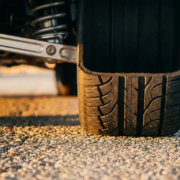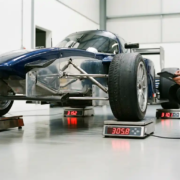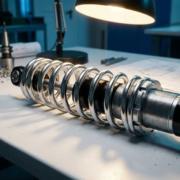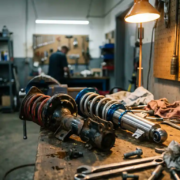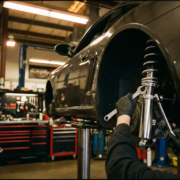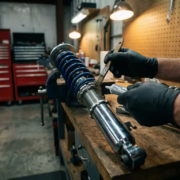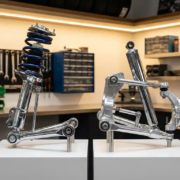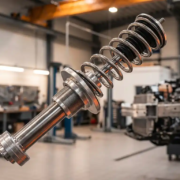
Lowered sports car with extreme stance in modern garage, chrome exhaust and metallic paint reflecting LED lighting.

How low can you safely lower your car?

You can safely lower most cars by 25–50 mm (1–2 inches) without significant issues, though the exact limit depends on your vehicle type, suspension design, and intended use. Lowering beyond 60 mm typically creates problems with ride quality, component wear, and ground clearance. The key is choosing the right method and staying within your vehicle’s safe parameters while considering factors like suspension travel, wheel arch clearance, and daily driving requirements.

What does lowering your car actually mean for safety and performance?

Lowering your car reduces the distance between your vehicle’s chassis and the ground, which fundamentally alters how your car handles and performs. A lower centre of gravity improves cornering stability and reduces body roll during turns, making the car feel more planted and responsive. This change enhances the connection between driver and road, particularly noticeable during spirited driving or track use.

The relationship between ride height and vehicle dynamics is significant. When you lower your car, you’re essentially changing the suspension geometry, which affects how the wheels contact the road surface. This modification typically improves aerodynamics by reducing the air flowing underneath the vehicle, though the effect varies depending on how much you lower the car and your driving speeds.

However, lowering also brings safety considerations. Ground clearance is reduced, making speed bumps, steep driveways, and road debris potential hazards. The suspension travel decreases, which can lead to bottoming out over larger bumps or dips. Modern safety systems like ABS and stability control may also be affected if the lowering is extreme, as these systems are calibrated for the original ride height.

Performance benefits include improved handling characteristics and potentially better braking due to reduced weight transfer. The trade off comes in ride comfort, as lowering springs are typically stiffer than standard springs to maintain proper suspension function at the reduced height. However, lowering springs alone can actually reduce ride quality despite improving cornering, as they reduce shock absorber stroke. For best results, lowering springs should be paired with properly matched shock absorbers, as springs and dampers work as a system and changing one without matching the other limits results.

How much can you lower a car without causing damage?

Most passenger cars can safely accommodate a 25–40 mm drop without major modifications or damage to suspension components. Sports cars and performance vehicles often handle up to 50 mm of lowering, while SUVs and trucks should generally stay within 25 mm to maintain proper suspension geometry and avoid drivetrain stress.

Several factors determine your vehicle’s maximum safe lowering distance. Suspension travel is crucial – you need sufficient compression and extension to handle road irregularities without bottoming out or losing wheel contact. Component clearance becomes critical as exhaust systems, oil pans, and other undercarriage elements sit closer to the ground.

Manufacturer specifications provide important guidance, though these are conservative estimates. Remember that factory suspension is always a compromise, designed to work for all drivers, climates, and conditions, but optimized for none. Wheel arch clearance must accommodate suspension compression without tyres contacting bodywork. The steering geometry changes as you lower the car, potentially affecting tyre wear patterns and handling characteristics if taken too far.

To avoid damage, consider your daily driving conditions. If you regularly encounter speed bumps, steep driveways, or poor road surfaces, stay towards the conservative end of lowering limits. Check for adequate clearance around exhaust components, brake lines, and suspension arms throughout the full range of suspension movement.

What are the main risks of lowering your car too much?

Excessive lowering creates several significant problems that affect both vehicle reliability and daily usability. Suspension damage occurs when components operate outside their designed range, leading to premature wear of bushings, shock absorbers, and springs. The suspension geometry becomes compromised, causing uneven tyre wear and unpredictable handling characteristics.

Ride quality deteriorates substantially when lowering exceeds safe limits. The car becomes harsh and uncomfortable over even minor road imperfections, as the suspension lacks sufficient travel to absorb impacts properly. Bottoming out becomes frequent, causing jarring impacts that can damage suspension components and affect vehicle control.

Clearance problems extend beyond simple ground scraping. Exhaust systems may contact the road surface, brake lines can be stressed or damaged, and oil pans risk puncture from road debris or steep angles. These issues create safety hazards and expensive repair bills that far exceed the cost of proper suspension modification.

Daily drivability suffers significantly with extreme lowering. Car parks become challenging to navigate, speed bumps require careful approach angles, and loading passengers or cargo may cause the car to scrape. The constant concern about clearance makes driving stressful rather than enjoyable, defeating the purpose of the modification.

Which lowering method is safest for your specific vehicle?

The safest lowering method depends on your vehicle type, budget, and performance goals, with coilover systems generally offering the best balance of safety and adjustability. Unlike simple spring replacements, coilovers maintain proper damping characteristics while allowing fine tuning of ride height and handling characteristics.

Lowering springs represent the most affordable option but require careful selection to match your vehicle’s weight and intended use. Quality springs maintain reasonable ride comfort while providing the desired drop, though they work with your existing shock absorbers, which may not be optimally matched to the new spring rates. Since springs and shock absorbers function as a system, upgrading one without the other can limit results and create new problems. While lowering springs improve cornering, they also reduce shock absorber stroke, which can hurt ride quality unless properly matched dampers are used.

Air suspension systems provide the ultimate flexibility, allowing you to adjust ride height for different driving conditions. You can lower the car for performance driving or car shows, then raise it for daily driving or poor road conditions. However, air systems are complex and require more maintenance than traditional setups.

Custom suspension solutions offer the safest approach for significant modifications. Rather than adapting off the shelf components, custom systems are engineered specifically for your vehicle and requirements. This approach ensures proper geometry, appropriate spring rates, and optimal damping characteristics for your specific application. Understanding suspension terminology helps you make informed decisions about which modifications suit your needs.

How Intrax Racing helps with safe car lowering

We specialise in creating custom suspension solutions that safely lower your vehicle while maintaining optimal performance and reliability. Our approach ensures proper suspension geometry and component compatibility for your specific car and driving requirements. Factory suspension is a compromise, designed to work for all drivers, climates, and conditions, optimized for none. Custom suspension kan ervoor zorgen dat je de auto aanpast naar de voorkeur van de bestuurder.

Our comprehensive lowering services include:

  • Custom suspension design tailored to your vehicle’s specifications and intended use
  • Professional assessment of safe lowering limits for your specific car
  • High quality components engineered for long term reliability and performance
  • Complete suspension systems that maintain proper damping characteristics
  • Technical support throughout the selection and installation process

Whether you’re looking to improve handling for track use or achieve the perfect stance for your show car, our motorsport derived expertise ensures your lowering modification enhances rather than compromises your vehicle’s capabilities. Intrax delivers complete, matched custom setups where springs and shock absorbers work together as an optimized system. Get in touch to discuss how we can safely achieve your suspension goals while maintaining the reliability and performance you need for your driving style.

Related Articles

Car with severely compressed suspension leaning at extreme angle on asphalt, chassis nearly touching ground due to suspension failure.

What happens if your suspension is too soft?

Soft suspension creates noticeable handling problems that affect both safety and performance. You’ll experience excessive body roll during cornering, bottoming out over bumps, poor steering response, and longer braking distances. These symptoms indicate your suspension system isn’t providing adequate damping control. Understanding these warning signs and their causes helps you identify when professional assessment or suspension adjustment is needed.

What are the warning signs that your suspension is too soft?

Excessive body roll during cornering, frequent bottoming out over bumps, delayed steering response, and increased braking distances are the primary indicators of overly soft suspension. Your vehicle will feel unstable and unpredictable, particularly when changing direction or encountering road irregularities.

Body roll becomes particularly noticeable when taking corners at normal speeds. The vehicle leans significantly to one side, creating an uncomfortable sensation and reducing driver confidence. This excessive movement occurs because the shock absorbers aren’t controlling the spring compression and rebound effectively. Springs and shock absorbers work as a system. Changing one without matching the other limits results. When one component fails to perform, the entire system becomes compromised, which is why Intrax delivers complete, matched custom setups rather than individual component solutions.

Bottoming out happens when your suspension compresses fully, causing the chassis to contact the bump stops or even the road surface. This typically occurs over speed bumps, potholes, or when carrying additional weight. The harsh impact you feel indicates the suspension has reached its travel limit too easily.

Steering response becomes sluggish and imprecise with soft suspension. There’s often a noticeable delay between steering input and vehicle response, making precise manoeuvres difficult. The car may feel disconnected from the road, reducing overall driving confidence and control.

Braking distances can increase because soft suspension allows excessive weight transfer to the front wheels during deceleration. This reduces the effectiveness of the rear brakes and can cause the front end to dive dramatically, affecting overall stopping performance.

How does overly soft suspension affect your vehicle’s safety and performance?

Soft suspension compromises vehicle stability by allowing excessive body movement that reduces tyre contact with the road surface. This affects braking effectiveness, cornering ability, and overall predictability, creating potential safety risks during emergency manoeuvres or adverse weather conditions.

Vehicle handling deteriorates significantly when suspension becomes too soft. The reduced control over body movement means your tyres struggle to maintain consistent contact with the road surface. This inconsistent contact reduces the grip available for acceleration, braking, and cornering.

Braking performance suffers because excessive weight transfer overwhelms the front suspension whilst reducing load on the rear wheels. The front tyres may struggle with the increased load, whilst the rear tyres lose contact pressure, reducing overall braking effectiveness.

Tyre wear patterns become uneven with soft suspension. Excessive body movement causes irregular loading across the tyre contact patch, leading to premature wear on specific areas. You might notice increased wear on the outer edges or irregular patterns that reduce tyre life.

Emergency handling becomes unpredictable with soft suspension settings. Quick lane changes or sudden braking can cause excessive body movement that overwhelms the suspension’s ability to control the vehicle. This delayed response can be dangerous in emergency situations requiring immediate vehicle control.

What causes suspension systems to become too soft over time?

Worn shock absorbers, degraded internal seals, fluid leaks, and weakened springs are the primary causes of suspension becoming too soft. Normal wear from mileage and age gradually reduces the damping force, whilst component failures can cause sudden changes in suspension characteristics.

Shock absorber wear occurs gradually through normal use. Internal seals deteriorate, allowing damping fluid to bypass the valving system. This reduces the shock’s ability to control spring movement effectively. High mileage, aggressive driving, and poor road conditions accelerate this wear process.

Fluid leaks represent a common failure mode in hydraulic shock absorbers. External leaks are visible as oil residue around the shock body, whilst internal leaks aren’t immediately apparent. Both types reduce damping effectiveness and contribute to suspension problems.

Spring degradation happens over time as the metal fatigues from repeated compression and extension cycles. Springs gradually lose their ability to support the vehicle’s weight properly, contributing to a softer overall suspension feel.

Environmental factors like road salt, moisture, and temperature extremes accelerate component degradation. Corrosion weakens metal components, whilst temperature cycling affects seals and fluid properties. Regular exposure to harsh conditions reduces suspension component lifespan.

How do you know if your suspension needs adjustment or replacement?

Professional assessment through bounce tests, visual inspection, and road testing determines whether your suspension requires adjustment, repair, or replacement. Visible fluid leaks, excessive vehicle movement during testing, and handling complaints indicate the need for immediate attention from qualified technicians.

Visual inspection reveals obvious problems like fluid leaks, damaged components, or worn mounting points. Check around each shock absorber for oil residue, examine springs for breaks or sagging, and look for worn bushings or loose connections. These visible signs often indicate immediate replacement needs.

The bounce test provides a simple assessment method. Push down firmly on each corner of your vehicle and release. The suspension should return to its normal position with minimal bouncing. Excessive oscillation indicates worn shock absorbers requiring replacement.

Road testing reveals handling characteristics that indicate suspension condition. Pay attention to body roll during cornering, braking dive, acceleration squat, and overall ride quality. Compare current performance to how the vehicle handled when new or recently serviced.

Professional diagnostic equipment can measure damping force and identify specific component failures. Qualified technicians can determine whether suspension tuning adjustments might resolve issues or if component replacement is necessary for proper performance restoration. Remember that springs and shock absorbers work as a system. Addressing worn elements individually limits effectiveness, so replacing matched components together delivers optimal results.

How Intrax Racing helps with suspension optimisation

We specialise in creating custom suspension solutions that address soft suspension problems through precision engineering and motorsport derived technology. Our approach ensures optimal damping characteristics tailored to your specific vehicle and driving requirements. Factory suspension is always a compromise. Manufacturers design one setup to work for all drivers, climates, and conditions worldwide, optimized for none. Custom suspension can ensure that you adapt the car to the driver’s preference, eliminating these inherent compromises through setups tailored to individual requirements.

Our custom suspension services include:

  • Comprehensive suspension analysis and performance assessment
  • Bespoke shock absorber design with precise damping characteristics
  • Advanced adjustable systems including Anti Roll Control (ARC®) technology
  • Complete suspension system integration for optimal vehicle dynamics
  • Ongoing technical support and tuning guidance

Whether you’re experiencing soft suspension issues or seeking enhanced performance, our nearly 50 years of motorsport experience ensures solutions that deliver precise control and optimal ride quality. Contact us to discuss how custom suspension engineering can transform your vehicle’s handling characteristics.

Related Articles

Car wheel and tire suspended by chrome shock absorber and spring system against white automotive workshop background

What is suspension on a car?

Car suspension is a system of components that connects your vehicle’s wheels to its body while managing road forces and impacts. It serves three essential purposes: maintaining vehicle control and stability, providing passenger comfort by absorbing bumps, and ensuring tyres maintain proper contact with the road surface for optimal safety and performance.

What is car suspension and why is it essential for every vehicle?

Car suspension is the mechanical system that links your vehicle’s wheels to the chassis while controlling how the car responds to road surfaces and driving forces. This automotive suspension system acts as a buffer between the road and passengers, managing everything from small vibrations to major impacts.

The suspension system serves three critical functions that make it absolutely essential for every vehicle. It controls vehicle movement during acceleration, braking, and cornering to maintain stability and handling. It absorbs road irregularities such as potholes, bumps, and rough surfaces to provide ride comfort. Most importantly, it keeps your tyres in contact with the road surface, which is vital for braking, steering, and overall safety.

Without proper suspension, your car would be nearly impossible to control. Every bump would jar passengers violently, tyres would lose contact with the road during impacts, and the vehicle would bounce uncontrollably. Modern suspension technology has evolved to balance comfort with performance, allowing vehicles to handle various driving conditions while maintaining passenger comfort.

How does a car suspension system actually work?

A car suspension system works by using springs and shock absorbers together to control wheel movement and absorb energy from road impacts. When your wheel hits a bump, the spring compresses to absorb the initial impact, while the shock absorber controls the spring’s movement to prevent excessive bouncing.

The process begins when road forces reach the wheel. Springs handle the primary job of absorbing impact energy by compressing and extending. However, springs alone would cause the car to bounce continuously after each impact. This is where shock absorbers become crucial: they dampen the spring oscillations by converting kinetic energy into heat through hydraulic resistance. Springs and shock absorbers work as a complete system changing one component without properly matching the other limits the overall performance and can compromise both handling and comfort.

Control arms and linkages guide wheel movement in specific directions, ensuring the tyre maintains proper alignment and contact with the road. Anti-roll bars connect the left and right sides of the suspension to reduce body roll during cornering. This coordinated system allows each wheel to respond to road conditions independently while maintaining vehicle stability and control.

What are the main components that make up a suspension system?

Suspension components include springs, shock absorbers, struts, control arms, anti-roll bars, and bushings, each serving specific functions within the complete system. Springs support vehicle weight and absorb impacts, while shock absorbers control spring movement and prevent bouncing.

Springs come in various forms, including coil springs, leaf springs, and air springs. Coil springs are most common in modern vehicles, providing consistent support and compression characteristics. Shock absorbers contain hydraulic fluid and valving systems that resist movement, controlling how quickly springs compress and extend.

Struts combine springs and shock absorbers into single units, often including mounting points for steering components. Control arms connect wheels to the vehicle frame, allowing controlled movement while maintaining wheel alignment. Anti-roll bars link left and right suspension components to reduce body lean during cornering. Bushings provide cushioned mounting points throughout the system, reducing noise and vibration while allowing necessary movement.

What’s the difference between independent and dependent suspension systems?

Independent suspension allows each wheel to move separately without affecting other wheels, while dependent suspension connects wheels so movement of one affects the other. Independent systems provide better ride quality and handling, while dependent systems are simpler and more durable for heavy duty applications.

Independent suspension systems use separate components for each wheel, allowing optimal tyre contact and comfort. When one wheel encounters a bump, it moves independently without transmitting forces to the opposite wheel. This design provides superior ride comfort, better handling, and improved tyre wear patterns. Most modern passenger cars use independent suspension on all four wheels.

Dependent suspension systems connect wheels through solid axles or beams. When one wheel moves up, it affects the opposite wheel’s position and tyre contact. While this creates less ideal ride characteristics, dependent systems are extremely robust and cost effective. They are commonly used in trucks, commercial vehicles, and rear axles of some passenger cars where durability and load carrying capacity are priorities over ultimate comfort.

How do you know when your car’s suspension needs attention?

Common signs your vehicle suspension needs attention include excessive bouncing after bumps, uneven tyre wear patterns, pulling to one side while driving, and unusual noises during cornering or over bumps. These symptoms indicate worn components that compromise safety and comfort.

Excessive bouncing occurs when shock absorbers lose their damping ability, allowing springs to oscillate freely. Your car should settle quickly after hitting bumps; if it continues bouncing, the shocks likely need replacement. Uneven tyre wear patterns, particularly wear on inside or outside edges, suggest suspension geometry problems or worn components affecting wheel alignment.

Unusual noises such as clunking, rattling, or squeaking during suspension movement indicate worn bushings, ball joints, or mounting components. The vehicle pulling to one side during straight line driving can result from suspension problems affecting wheel alignment. If you notice any of these symptoms, professional inspection is essential. Neglecting suspension issues compromises vehicle safety, increases tyre wear, and can lead to more expensive repairs if problems worsen over time.

How Intrax Racing helps with custom suspension solutions

We specialise in creating custom suspension systems tailored to your specific vehicle and driving requirements. Factory suspension is always a compromise, designed to work for all drivers, climates, and conditions worldwide, but optimized for none. This means standard suspension systems must balance countless variables from comfort focused city drivers to performance enthusiasts resulting in setups that satisfy no one completely. Custom suspension kan ervoor zorgen dat je de auto aanpast naar de voorkeur van de bestuurder. Our nearly 50 years of motorsport derived expertise eliminates these compromises through complete, matched setups tailored to individual requirements, ensuring optimal performance, comfort, and safety for every application.

Our custom suspension solutions include:

  • Precision engineered shock absorbers built to your exact specifications
  • Performance suspension systems optimised for street, track, or rally use
  • Advanced adjustable options, including electronic control systems
  • Complete suspension geometry analysis and optimisation
  • Technical support throughout the design and installation process

Whether you’re building a race car, restoring a classic, or enhancing a performance vehicle, our engineering team creates complete suspension solutions that deliver the exact characteristics you need. Springs and shock absorbers work as a system, and Intrax delivers matched custom setups where every component is engineered to work together perfectly. Contact us to discuss your specific requirements and discover how custom suspension technology can transform your vehicle’s performance and handling.

Related Articles

Driver's hands on BMW leather steering wheel with dashboard controls and carbon fiber accents in luxury car interior

How to set up your BMW for comfort and grip?

Setting up your BMW for optimal comfort and grip requires balancing spring rates, damping adjustments, and component selection to match your driving style and road conditions. The key lies in understanding how BMW’s unique suspension philosophy works and making targeted upgrades that enhance both daily comfort and performance handling. This comprehensive guide addresses the most important questions about achieving the perfect BMW suspension setup.

What makes BMW suspension different from other performance cars?

BMW suspension systems prioritise adaptive comfort through sophisticated multi-link designs and electronic damping control that automatically adjusts to road conditions and driving modes. Unlike many performance brands that favour stiff, track-focused setups, BMW engineers its suspension to deliver precise handling whilst maintaining excellent ride quality for daily driving.

However, even BMW’s sophisticated factory systems represent a compromise. Factory suspension is always a compromise, designed to work for all drivers, climates, and conditions worldwide from comfort-seekers to performance enthusiasts but optimized for none. This broad requirement makes optimization for any single preference impossible. Custom suspension kan ervoor zorgen dat je de auto aanpast naar de voorkeur van de bestuurder, which is where custom suspension solutions excel.

The brand’s suspension philosophy centres on what it calls “Ultimate Driving Machine” balance. This means creating systems that can transform from comfortable cruising to sharp cornering performance at the touch of a button. BMW achieves this through advanced technologies like Adaptive M Suspension, which uses electronically controlled dampers that can firm up in milliseconds.

BMW’s approach differs significantly from competitors like Audi’s quattro-focused systems or Mercedes’ comfort-first philosophy. Where Audi emphasises all-wheel-drive traction and Mercedes prioritises luxury comfort, BMW seeks the middle ground that delivers both spirited driving dynamics and everyday usability. Its suspension springs work in harmony with precisely tuned anti-roll bars and bushings to create this balanced character.

How do you balance comfort and grip in BMW suspension tuning?

Balancing comfort and grip requires understanding the relationship between spring rates and damping characteristics. Softer springs provide better comfort over bumps but reduce cornering precision, whilst stiffer springs improve handling at the expense of ride quality. The optimal setup finds the sweet spot where both qualities coexist effectively through matched suspension components working as a complete system.

Spring rate selection forms the foundation of this balance. For daily driving with occasional spirited runs, consider springs that are 15–25% stiffer than standard BMW rates. This provides noticeable handling improvements without significantly compromising comfort. The damping adjustment then fine-tunes how the suspension responds to different road inputs. Springs and shock absorbers work as a system changing one without matching the other limits results and prevents achieving optimal performance.

Damper tuning plays an equally crucial role in achieving this balance. Compression damping controls how quickly the suspension compresses over bumps, affecting comfort, whilst rebound damping manages how the suspension returns to its normal position, influencing stability and control. Modern adjustable dampers allow you to fine-tune these characteristics independently.

Your driving style and typical road conditions should guide these adjustments. Smooth motorways allow for firmer settings that maximise grip, whilst rough urban roads require softer compression damping for comfort. Many BMW owners find success with asymmetric setups: slightly firmer rear springs for stability combined with more compliant front damping for comfort.

What suspension components should you upgrade first on a BMW?

Begin with dampers and springs as your first upgrade priority, as these components have the greatest impact on both comfort and grip characteristics. Quality coilover systems or separate spring and damper combinations provide the foundation for improved BMW suspension performance whilst maintaining daily usability. Springs and shock absorbers must work in harmony for optimal results upgrading one component without the other limits performance potential and prevents achieving complete results.

Springs should be your starting point if you’re upgrading components separately. Progressive-rate springs offer an excellent compromise, providing comfort during normal driving whilst stiffening under load for better cornering control. Match spring rates to your intended use: street-focused setups typically work well with rates 20–30% above standard BMW specifications. However, simply installing lowering springs alone will not improve both handling and comfort lowering springs reduce shock absorber stroke, which can hurt ride quality unless paired with properly matched dampers.

Anti-roll bars represent the second-priority upgrade, particularly the rear bar on most BMW models. A quality adjustable rear anti-roll bar reduces body roll significantly whilst allowing fine-tuning of the car’s balance. This upgrade often provides the most noticeable handling improvement per pound spent.

Bushings and mounts form the third upgrade category. Polyurethane bushings in key locations like control arms and anti-roll bar mounts sharpen steering response and improve suspension precision. However, they do increase noise and vibration transmission, so consider this trade-off carefully for daily-driven cars.

Strut tower braces and chassis reinforcement components should be considered later in the upgrade path. Whilst they do improve chassis rigidity, the benefits are less noticeable than spring, damper, and anti-roll bar upgrades on most BMW models.

Why does custom suspension setup matter more than off-the-shelf kits?

Custom suspension setups address your specific BMW model’s characteristics, weight distribution, and intended use patterns in ways that generic kits cannot match. Personalised tuning accounts for factors like your driving style, typical passenger loads, and local road conditions to create the optimal comfort and grip balance for your exact requirements.

Off-the-shelf kits often represent compromise solutions designed to work adequately across multiple BMW models and use cases. Where factory engineering ends at “good enough” for the broadest audience, custom suspension begins with your specific needs. Like factory suspension, these kits are always a compromise designed to work for all drivers, climates, and conditions, optimized for none. These kits cannot account for the specific weight distribution differences between, say, an E90 3 Series and an F30 3 Series, or the varying suspension pickup points that affect geometry and handling characteristics.

Custom setups consider your individual driving preferences and usage patterns. A BMW owner who primarily enjoys weekend canyon drives requires different suspension characteristics from someone who commutes daily on motorways. Custom tuning can optimise spring rates, damping curves, and anti-roll bar settings for these specific scenarios.

Vehicle-specific considerations also matter significantly. Your BMW’s current condition, any modifications, wheel and tyre combinations, and even regional road surface types all influence the optimal suspension setup. Understanding suspension terminology helps you communicate these requirements effectively to suspension specialists.

The ability to adjust and refine custom setups over time provides additional advantages. As your driving style evolves or usage patterns change, custom suspension can be retuned rather than replaced entirely.

How Intrax Racing helps with BMW suspension setup

We specialise in creating custom-made suspension solutions that perfectly balance comfort and grip for your specific BMW and driving requirements. Our motorsport-derived engineering expertise ensures your suspension setup delivers optimal performance without compromising daily usability through complete, matched systems rather than individual components. Intrax delivers complete, matched custom setups that work as integrated systems for maximum performance.

Our BMW suspension setup services include:

  • Individual spring-rate calculation based on your car’s weight distribution and intended use
  • Custom damper valving tuned to your driving style and road conditions
  • Comprehensive suspension geometry analysis and optimisation
  • Anti-roll bar sizing and adjustment recommendations
  • Complete system integration testing and fine-tuning

With nearly 50 years of motorsport experience, we understand exactly how to extract maximum performance from BMW suspension systems whilst maintaining the comfort characteristics that make these cars exceptional daily drivers. Contact us to discuss your BMW suspension setup requirements and discover how custom tuning can transform your driving experience.

Related Articles

Mechanic adjusting suspension components on sports car lifted in modern automotive garage with LED lighting

Why would you change your car’s suspension?

Car suspension upgrades offer numerous benefits, including improved handling, enhanced comfort, better safety, and increased vehicle performance. Many drivers consider suspension replacement when their original components wear out or when they want to optimise their vehicle for specific driving conditions. Whether you’re experiencing poor ride quality or seeking enhanced cornering capabilities, understanding when and why to change your suspension helps you make informed decisions about your vehicle’s performance and safety.

What are the main reasons people upgrade their car’s suspension?

People upgrade their car’s suspension primarily for improved handling, enhanced comfort, addressing wear issues, meeting performance demands, and aesthetic preferences. The most common motivation is achieving better vehicle control during cornering, braking, and acceleration while maintaining or improving ride comfort for daily driving.

Handling improvements represent the biggest draw for car suspension upgrades. Factory suspensions are engineered as compromises, designed to work acceptably for all drivers in all conditions worldwide from comfort seekers to performance enthusiasts, in hot and cold climates, with heavy loads and empty cars. This broad approach makes optimization for any single preference impossible, leading to excessive body roll during cornering and less precise steering response that leaves enthusiasts wanting more. Factory suspension is always a compromise, designed to work for all drivers, climates, and conditions, optimized for none. Custom suspension can ensure that you adapt the car to the driver’s preference.

Comfort considerations also drive many upgrades. Older vehicles may have suspension components that no longer provide adequate damping, resulting in harsh rides or poor bump absorption. Modern custom suspension systems can address these issues while improving overall driving dynamics through matched spring and damper combinations that work together as a complete system.

Vehicle age plays a significant role in upgrade decisions. As cars accumulate mileage, original suspension components wear out, creating opportunities to install superior aftermarket alternatives rather than simply replacing worn parts with identical factory components.

Aesthetic preferences, particularly vehicle height adjustments, motivate many suspension modifications. However, lowering springs alone can improve cornering but reduce shock absorber stroke, which can hurt ride quality. Springs and dampers must be matched together for optimal results, maintaining ride quality while achieving the desired stance and improved handling characteristics.

How does upgrading suspension improve your car’s performance and safety?

Suspension upgrades improve performance through better cornering stability, reduced body roll, enhanced braking performance, improved tyre contact, and increased safety margins. Quality suspension components maintain optimal wheel positioning during dynamic driving, ensuring maximum grip and vehicle control in various conditions.

Cornering stability receives the most dramatic improvement from performance suspension upgrades. Springs and dampers working in harmony reduce body roll, keeping the vehicle flatter through turns. This maintains optimal tyre contact patches and prevents weight transfer that can compromise grip. Springs and shock absorbers work as a system, and changing one without matching the other limits results.

Braking performance benefits significantly from suspension upgrades. Better damping control prevents excessive nose diving during hard braking, maintaining proper weight distribution and tyre contact. This results in shorter stopping distances and more predictable braking behaviour.

Enhanced road contact comes from superior damping characteristics that keep tyres in contact with the road surface over bumps and irregularities. Factory suspension often struggles to control wheel movement effectively, leading to momentary loss of grip that affects both performance and safety.

Safety margins increase through improved vehicle predictability and control. Quality suspension components provide consistent performance across various driving conditions, giving drivers better feedback about vehicle behaviour and more confidence in emergency manoeuvres.

The materials and engineering quality in aftermarket suspension often exceed factory specifications, providing longer service life and more consistent performance throughout the components’ lifespan.

What’s the difference between standard and custom suspension systems?

Standard suspension uses mass produced components designed for broad compatibility, while custom suspension systems are engineered for specific vehicles, driving styles, and applications. The key differences lie in adjustability features, material quality, application specific engineering, and the ability to address individual requirements rather than general market needs.

Factory suspension represents the ultimate compromise manufacturers must create one setup that works for everyone, which means it’s optimized for no one. Factory suspension is always a compromise, designed to work for all drivers, climates, and conditions, optimized for none. These systems typically offer no adjustability and use materials chosen for manufacturing efficiency rather than ultimate performance, balancing competing demands that limit performance in any single area.

Aftermarket suspension options provide middle ground solutions with some adjustability and improved materials. These systems offer better performance than factory components while maintaining reasonable costs through standardised designs that fit multiple vehicle applications.

Custom suspension systems represent the pinnacle of suspension technology, engineered specifically for individual vehicles and requirements. Where factory engineering ends at “good enough,” custom suspension begins, with every aspect from spring rates to damping curves calculated based on vehicle weight, intended use, and driver preferences.

Material quality differs significantly between categories. Custom systems utilise premium materials like aerospace grade aluminium, high strength steel, and advanced sealing technologies that provide superior performance and longevity compared to mass produced alternatives.

Adjustability features vary dramatically across suspension types. Basic systems offer no adjustment, while premium custom solutions provide multiple adjustment parameters, including ride height, compression and rebound damping, and sometimes electronic control systems.

Application specific engineering allows custom suspension to address unique requirements such as specific track conditions, vehicle modifications, or unusual driving demands that standard products cannot accommodate effectively.

When should you consider replacing your car’s suspension?

Consider suspension replacement when experiencing excessive bounce, uneven tyre wear, poor handling, visible component damage, or when reaching manufacturer service intervals. Key indicators include the vehicle continuing to bounce after hitting bumps, steering instability, or noticeable changes in ride quality and handling characteristics.

Wear signs become apparent through various symptoms. Excessive bouncing after hitting road irregularities indicates worn dampers that no longer control spring movement effectively. Most quality dampers should settle within one bounce after hitting a bump.

Tyre wear patterns reveal suspension problems early. Uneven wear across the tyre surface, particularly excessive wear on inner or outer edges, often indicates suspension geometry issues or worn components affecting wheel alignment.

Performance degradation manifests as reduced handling precision, increased body roll during cornering, or steering instability at highway speeds. These symptoms typically develop gradually, making them easy to overlook until they become severe.

Vehicle age milestones provide general guidance for suspension replacement timing. Most factory suspension components begin showing wear between 80,000 and 120,000 miles, though this varies significantly based on driving conditions and maintenance history.

Changes in driving style often prompt suspension upgrades. Drivers who develop an interest in performance driving, track events, or spirited country road driving frequently find their current suspension inadequate for these activities.

Specific symptoms requiring immediate attention include knocking noises over bumps, visible fluid leaks from dampers, or any suspension component showing physical damage. These indicate safety critical wear that demands prompt replacement.

How Intrax Racing helps with suspension upgrades

We specialise in creating bespoke suspension solutions tailored to your specific vehicle and driving requirements. Our motorsport derived engineering expertise ensures optimal performance whether you’re seeking improved daily driving comfort, track performance, or solutions for worn suspension components.

Our comprehensive approach includes:

  • Custom engineering based on your vehicle specifications and intended use
  • Motorsport proven technology adapted for road and track applications
  • Complete suspension systems including springs, dampers, and supporting components
  • Technical consultation to determine optimal suspension specifications
  • Ongoing support and adjustment guidance for optimal performance

With nearly 50 years of motorsport experience, we understand how suspension modifications affect vehicle dynamics and can guide you towards the perfect solution for your requirements. Intrax delivers complete, matched custom setups where springs and shock absorbers work as a system for optimal results. Contact us to discuss your suspension upgrade needs and discover how custom engineering can transform your driving experience.

Related Articles

Lowered sports car on hydraulic lift in modern garage showing aftermarket suspension and coilovers with tools on floor

Can you make your car lower?

Yes, you can make your car lower through several proven methods, including lowering springs, coilovers, air suspension systems, and custom suspension solutions. Lowering a car reduces the distance between your vehicle’s chassis and the ground, improving both aesthetics and handling performance. The key is choosing the right method for your specific vehicle and intended use while maintaining proper suspension geometry.

What does it mean to lower a car and why do people do it?

Lowering a car involves reducing the ride height of your vehicle by modifying the suspension system to bring the chassis closer to the ground. This modification changes the vehicle’s stance and can significantly impact both appearance and performance characteristics.

The aesthetic benefits are immediately noticeable. A lowered car creates a more aggressive, sporty appearance that many enthusiasts find appealing. The reduced wheel gap between the tyre and wheel arch gives vehicles a more purposeful, performance oriented look that stands out from standard factory heights.

From a performance perspective, lowering your car’s centre of gravity improves handling dynamics. The reduced body roll during cornering enhances stability and creates a more connected driving experience. This is why many motorsport applications utilise lowered suspension setups to maximise performance potential.

However, the modification requires careful consideration of the balance between style and functionality. Excessive lowering can compromise ride quality, increase the risk of scraping on speed bumps or driveways, and potentially affect suspension component longevity. The goal is to find the optimal height that delivers your desired aesthetic whilst maintaining practical usability for your driving needs.

What are the different methods to make your car lower?

Several vehicle lowering methods are available, each offering different advantages depending on your budget, performance requirements, and desired level of adjustability. The most common approaches range from simple spring replacements to sophisticated electronic systems.

Lowering springs represent the most straightforward approach to car height adjustment. These replacement springs are shorter than factory components and typically feature stiffer spring rates. They offer a cost effective solution for moderate drops of 25–50 mm whilst maintaining the original dampers. However, lowering springs improve cornering but reduce shock absorber stroke, which can hurt ride quality. For best results, lowering springs must be paired with properly matched shock absorbers, as springs and dampers work as a system and changing one without matching the other limits results.

Coilover systems provide a comprehensive solution, combining adjustable dampers with matching springs in a complete matched system. These systems allow precise height adjustment and often include damping adjustments for fine tuning ride characteristics. Coilovers offer excellent performance potential because springs and dampers work in harmony for optimal results.

Air suspension systems deliver the ultimate in versatility, allowing drivers to adjust ride height on demand. These systems can provide multiple height settings, from practical daily driving positions to extremely low show stances. The complexity and cost are higher, but the flexibility is unmatched.

Custom suspension solutions offer bespoke engineering tailored to specific vehicles and applications. These systems are designed around individual requirements, ensuring optimal geometry and performance characteristics for your particular setup and intended use.

How much can you safely lower your car without damaging it?

Safe lowering limits depend on your vehicle’s original suspension design, intended use, and local road conditions. Most vehicles can accommodate moderate drops of 25–40 mm without significant compromises, whilst more aggressive lowering requires careful consideration of various factors.

Suspension geometry plays a crucial role in determining safe lowering limits. Excessive drops can alter camber angles, affect steering geometry, and place additional stress on components like CV joints and tie rods. These changes can lead to premature wear and potentially compromise vehicle safety if not properly addressed.

Ground clearance requirements vary based on your driving environment. Urban areas with smooth roads may accommodate lower ride heights, whilst rural locations with poor road surfaces, speed bumps, or steep driveways require more conservative approaches. Consider your daily driving routes when determining an appropriate ride height.

Maintaining proper suspension function is paramount throughout the lowering process. The suspension must retain adequate travel to handle road imperfections without bottoming out. Additionally, components like brake lines, exhaust systems, and undertray panels must clear the ground and moving suspension parts.

Professional assessment becomes essential for significant drops exceeding 50 mm. Proper suspension geometry may require additional modifications such as adjustable control arms or camber correction components to maintain optimal alignment and handling characteristics.

What should you consider before lowering your vehicle?

Lowering a vehicle requires careful evaluation of multiple factors to ensure the modification meets your expectations whilst maintaining practicality and safety. Your vehicle type, intended use, and local regulations all influence the best approach for your situation.

Consider your vehicle’s primary purpose and driving patterns. Daily drivers require different compromises than weekend sports cars or show vehicles. Factory suspension is always a compromise, designed to work for all drivers, climates, and conditions, but optimized for none. Custom suspension can ensure that you adjust the car to the driver’s preference, whether that’s frequent motorway travel, city driving with speed bumps, or rural roads with poor surfaces.

Budget considerations extend beyond the initial modification cost. Quality components and professional installation ensure proper function and longevity. Additionally, lowered vehicles may experience increased tyre wear, requiring more frequent replacements, and potential impacts on fuel economy due to altered aerodynamics.

Local regulations and MOT requirements must be considered, as excessive modifications can affect vehicle legality. Insurance implications should also be discussed with your provider, as suspension modifications typically require disclosure and may affect premiums or coverage.

The impact on ride quality varies significantly between different lowering methods and quality levels. While some increase in firmness is normal, excessive harshness can make daily driving uncomfortable. Understanding the suspension terminology and characteristics helps in making informed decisions about your modification approach.

How Intrax Racing helps with car lowering solutions

We specialise in creating bespoke suspension solutions that deliver the perfect balance between aesthetics and performance for your specific vehicle and requirements. Our motorsport derived expertise ensures your lowering project achieves optimal results whilst maintaining safety and functionality. Springs and shock absorbers work as a system, and Intrax delivers complete, matched custom setups rather than individual components that may not work optimally together.

Our comprehensive approach includes:

  • Custom suspension design tailored to your vehicle’s specific geometry and intended use
  • Professional consultation to determine optimal lowering amounts for your driving needs
  • High quality components engineered for long term reliability and performance
  • Technical support throughout the installation and setup process
  • Adjustable solutions allowing fine tuning of ride height and handling characteristics

Whether you’re seeking subtle improvements for daily driving or significant modifications for track use, our custom solutions ensure your lowered vehicle maintains proper suspension function whilst delivering the aesthetic and performance benefits you desire. Contact us to discuss your specific requirements and explore how we can create the perfect lowering solution for your vehicle.

Related Articles

Lowered sports car navigating over speed bump with minimal clearance, chrome exhaust visible, golden hour lighting on asphalt road.

Can you still drive over speed bumps with a lowered car?

Yes, you can drive a lowered car over speed bumps, but it requires careful technique and consideration of your vehicle’s ground clearance. Success depends on your suspension setup, approach speed, and driving method. Lowered cars face an increased risk of underbody contact and suspension stress, but proper technique minimises damage while maintaining your desired stance.

Can you actually drive a lowered car over speed bumps without damage?

Driving a lowered car over speed bumps without damage is possible when you understand the physics and limitations involved. The key factor is ground clearance – the distance between your lowest point and the road surface. Most speed bumps are designed for standard ride heights, creating challenges for lowered vehicles.

Your car’s approach and departure angles become critical with reduced ground clearance. The front splitter, oil pan, or exhaust system typically make first contact when clearance is insufficient. However, many lowered cars navigate speed bumps successfully through proper technique and an appropriate suspension setup.

The risk level depends on several factors: your specific ride height, speed bump dimensions, suspension travel, and wheel positioning. Aggressive lowering increases difficulty, while moderate drops with quality suspension can maintain reasonable practicality for daily driving situations.

What’s the safest technique for taking speed bumps with a lowered suspension?

The safest approach involves taking speed bumps at an angle rather than straight on. This technique allows one wheel to traverse the bump while the other remains on flat ground, reducing the vehicle’s effective angle and helping to prevent underbody contact with the speed bump’s peak.

Approach at walking pace – around 2 to 3 mph maximum. Excessive speed causes suspension compression and increases the risk of contact. Position your car so the bump passes between your wheels when possible, or angle approximately 30 to 45 degrees to minimise ground clearance loss.

Watch your wheel positioning throughout the manoeuvre. Some drivers reverse over speed bumps, as rear suspension often has different geometry and clearance characteristics. However, this requires clear visibility and safe traffic conditions. The angled approach remains the most reliable method for most custom suspension setups.

How low is too low for everyday driving with speed bumps?

Practical ride height limits for daily driving typically start around 100 mm of ground clearance for most vehicles. Below this threshold, speed bumps become increasingly problematic, requiring extreme caution or avoidance. However, the specific limit varies based on your car’s design and local road conditions.

Consider your local environment when determining an appropriate ride height. Areas with frequent speed bumps, steep driveways, or poor road surfaces require more conservative lowering. A 30 to 40 mm drop often provides improved aesthetics and handling while maintaining reasonable practicality.

Quality springs paired with properly matched shock absorbers make a significant difference in real world usability. Lowering springs alone may improve cornering but can compromise ride quality, as they reduce the shock absorber’s available stroke for bump absorption when the piston sits lower in the tube at rest. Springs and shock absorbers must work as a matched system to deliver optimal results. Adjustable systems allow fine tuning for the optimal balance between stance and functionality. Professional suspension setup takes into account your specific vehicle, driving requirements, and local road conditions to achieve the best compromise.

What type of suspension damage should you watch for after hitting speed bumps?

Common suspension damage from speed bump contact includes compressed or damaged springs, worn shock absorbers, and bent suspension components. Unusual noises when driving over bumps often indicate internal shock absorber damage or loose mounting points requiring immediate attention.

Check for visible signs including oil leaks around shock absorbers, uneven tyre wear patterns, or changes in handling characteristics. Scraping sounds may indicate underbody contact rather than suspension damage, but repeated contact can affect exhaust systems, oil pans, or structural components.

Monitor your vehicle’s ride quality and handling after any significant contact. Reduced damping effectiveness, excessive bouncing, or pulling to one side suggests suspension damage. Professional inspection becomes essential when you notice these symptoms, as compromised suspension affects both performance and safety.

How Intrax Racing helps with lowered car suspension solutions

We specialise in creating custom suspension solutions that balance your desired stance with practical daily driving requirements. Factory suspensions are engineered as compromises, designed to work for all drivers in all conditions worldwide – from comfort seekers to performance enthusiasts, heavy loads to empty cars, optimised for none. This broad approach makes optimisation for any single preference impossible. Our motorsport derived engineering eliminates these compromises through setups tailored to individual requirements, ensuring your lowered car maintains optimal performance while navigating real world road conditions, including speed bumps.

Our approach includes:

  • Custom ride height calculations based on your specific vehicle and driving requirements
  • Adjustable damping systems allowing fine tuning for comfort and performance
  • Quality components designed for longevity under demanding conditions
  • Professional setup guidance for optimal suspension geometry

With nearly 50 years of suspension expertise, we understand the challenges of lowered car ownership. Our suspension systems are engineered to provide the stance you want while maintaining the practicality you need. Springs and shock absorbers work in harmony within our matched systems, ensuring optimal results rather than the limitations that come from upgrading individual components in isolation. Contact us to discuss your specific requirements and discover how custom suspension can optimise your lowered car’s performance and usability.

Related Articles

Silver Porsche 911 on hydraulic lift in garage showing exposed suspension components and upgraded parts

Best suspension upgrades for your Porsche?

Porsche suspension upgrades require specialised engineering considerations due to the brand’s unique rear engine layout and precision handling characteristics. Factory Porsche suspensions are engineered as a compromise, designed to work for all drivers worldwide from comfort seekers to performance enthusiasts, in varying climates and load conditions optimized for none. Custom suspension kan ervoor zorgen dat je de auto aanpast naar de voorkeur van de bestuurder. The best upgrades prioritise custom shock absorbers and springs that complement Porsche’s weight distribution, followed by anti roll bars and supporting components. Whether choosing street or track focused setups, proper suspension tuning transforms your Porsche’s performance whilst maintaining its distinctive driving character.

What makes Porsche suspension upgrades different from other performance cars?

Porsche’s rear engine layout creates unique weight distribution challenges that demand specialised suspension engineering. Unlike front engine sports cars, Porsches carry 60–65% of their weight over the rear axle, requiring carefully calibrated damping and spring rates to manage this distinctive balance effectively.

The iconic 911’s engine placement behind the rear axle creates both opportunities and challenges for suspension tuning. This configuration provides exceptional traction under acceleration but requires sophisticated suspension geometry to prevent oversteer tendencies during cornering. Porsche suspension tuning must account for the pendulum effect created by the rear mounted engine, particularly during rapid direction changes.

Porsche’s engineering philosophy emphasises precision and feedback over pure comfort, meaning suspension upgrades must maintain the brand’s characteristic steering feel and road connection. The suspension must work harmoniously with Porsche’s advanced electronic systems, including PSM (Porsche Stability Management) and PASM (Porsche Active Suspension Management), where fitted. This integration requires understanding suspension terminology specific to Porsche’s unique engineering approach.

Which suspension components should you upgrade first on your Porsche?

Start with shock absorbers, as they provide the most significant impact on handling characteristics and ride quality. Quality Porsche shock absorbers control wheel movement, manage weight transfer, and maintain tyre contact with the road surface during dynamic driving situations.

Shock absorbers should be your primary focus because they directly influence every aspect of your Porsche’s handling behaviour. Worn or inadequate dampers allow excessive body roll, reduce steering precision, and compromise braking performance. Modern adjustable dampers offer fine tuning capabilities that allow you to optimise compression and rebound settings for different driving conditions.

Following shock absorber upgrades, consider performance springs that complement your new dampers. Springs control ride height, affect the centre of gravity, and influence suspension geometry. Springs and shock absorbers work as a system changing one without matching the other limits results and can create new problems. The interaction between springs and damping determines how your Porsche actually feels on the road.

Anti roll bars represent the third priority, reducing body roll during cornering whilst maintaining independent wheel movement. Adjustable anti roll bars allow fine tuning of understeer and oversteer characteristics, which is particularly beneficial for track focused applications. Supporting components such as camber plates, bushings, and mounting hardware complete the upgrade process by ensuring all components work together effectively.

How do custom suspension solutions benefit Porsche owners compared to off the shelf options?

Custom suspension solutions provide precise damping characteristics, spring rates, and geometry adjustments tailored to your specific Porsche model, driving style, and intended use. Unlike mass produced kits, custom setups account for individual vehicle variations, weight distribution, and performance requirements.

Mass produced suspension kits follow one size fits all approaches that may not suit your particular Porsche variant or driving preferences. A 911 Carrera requires different suspension characteristics from a 911 Turbo due to weight differences, power delivery, and aerodynamic considerations. Where factory engineering ends at a compromise designed for the broadest audience, custom Porsche suspension engineering begins with optimization for your specific requirements.

Bespoke suspension solutions allow precise adjustment of compression and rebound damping, spring preload, and ride height to match your exact specifications. This level of customisation proves particularly valuable for motorsport applications, where regulations, track conditions, and driving techniques demand specific suspension behaviours. Custom made solutions also accommodate modifications such as roll cages, weight reduction, or engine upgrades that alter the vehicle’s dynamics.

Quality custom suspension maintains Porsche’s sophisticated electronic systems integration whilst providing enhanced performance characteristics. This ensures compatibility with existing safety and stability systems whilst delivering the precise handling improvements you require.

What should you consider when choosing between street and track focused Porsche suspension setups?

Street focused setups prioritise comfort and compliance over uneven surfaces whilst maintaining sporty handling characteristics. Track focused configurations emphasise maximum performance, precise control, and consistent behaviour under extreme conditions, often sacrificing daily driving comfort.

Daily driving demands suspension that manages various road surfaces, weather conditions, and load scenarios effectively. Street oriented Porsche performance suspension provides controlled body movements without harsh ride quality, maintaining comfort during extended journeys whilst delivering engaging handling when desired. Adjustable dampers offer versatility, allowing softer settings for daily use and firmer configurations for spirited driving.

Track focused suspension prioritises consistent performance under high loads, rapid direction changes, and sustained high speed cornering. These setups typically feature stiffer spring rates, firmer damping, and lower ride heights that may prove uncomfortable for street use. However, they provide the precise control and feedback essential for competitive driving or track day events.

Many Porsche owners benefit from adjustable suspension systems that offer both street and track capabilities. Electronic damping adjustment allows real time changes between comfort and performance settings, providing versatility for different driving scenarios. Consider your primary usage, local road conditions, and performance requirements when selecting between dedicated setups or adjustable solutions.

How Intrax Racing helps with Porsche suspension upgrades

We specialise in creating motorsport Porsche suspension solutions that address each model’s unique engineering requirements and individual owner preferences. Our nearly 50 years of motorsport experience translate directly into suspension systems that enhance your Porsche’s distinctive character whilst delivering measurable performance improvements.

Our comprehensive approach includes:

  • Custom shock absorber design matched to your specific Porsche model and driving requirements
  • Precise spring rate calculations based on weight distribution and intended use
  • Integration with existing electronic systems and safety features
  • Adjustable damping options for versatility between street and track applications
  • Complete suspension geometry analysis and optimisation

Each suspension system receives individual attention, ensuring optimal performance characteristics that complement your Porsche’s engineering excellence. Springs and shock absorbers work as a system, and our matched custom setups ensure complete performance enhancement rather than the limited results from changing individual components. Whether you require daily driving comfort with sporty handling or dedicated track performance, we create solutions that exceed expectations whilst maintaining reliability and safety standards.

Ready to transform your Porsche’s handling characteristics? Get in touch to discuss your specific requirements and discover how custom suspension engineering can enhance your driving experience.

Related Articles

Mechanic's hand gripping aftermarket coilover suspension component with metallic spring coils and adjustment knobs in garage workshop

Why do aftermarket coilovers feel so stiff?

Aftermarket coilovers feel stiff because they prioritise handling performance over comfort, using higher spring rates and firmer damping than stock suspension. Unlike factory suspension, which is always a compromise designed to work for all drivers, climates, and conditions while being optimized for none, performance coilovers are engineered for precise control and minimal body movement. The stiffness comes from motorsport derived technology that reduces roll, improves cornering, and delivers immediate steering response at the expense of ride comfort.

What makes aftermarket coilovers feel stiffer than stock suspension?

Aftermarket coilovers feel stiffer because they follow a completely different design philosophy from original equipment manufacturer (OEM) suspension. Factory suspensions are engineered as a compromise. Manufacturers design one setup to work for all drivers in all conditions worldwide, from comfort seekers to performance enthusiasts, in hot and cold climates, with heavy loads and empty cars. This makes optimization for any single preference impossible. Custom suspension allows you to adapt the car to the driver’s preference, eliminating the compromises inherent in standard systems. Aftermarket coilovers focus specifically on handling precision and performance characteristics.

The fundamental difference lies in spring rates and damping characteristics. OEM systems typically use progressive springs that start soft for comfort over small bumps but become firmer under heavy loads. Aftermarket coilovers often employ linear spring rates that maintain consistent stiffness throughout their travel range, providing predictable handling but transmitting more road surface irregularities to the cabin.

Performance oriented engineering means aftermarket systems are designed to minimise body roll, reduce weight transfer during acceleration and braking, and provide immediate feedback from the road. This motorsport derived approach sacrifices the compliance that makes stock suspension comfortable for daily driving. The dampers also feature more aggressive valving to control wheel movement precisely, which can feel harsh compared with the softer, more forgiving factory settings optimised for passenger comfort. Springs and shock absorbers work as a system, and aftermarket coilovers are designed with matched components to deliver complete, coordinated performance.

How do spring rates and damping settings affect coilover stiffness?

Spring rates determine how much force is required to compress the suspension, measured in pounds per inch or newtons per millimetre. Higher spring rates create a stiffer feel because they resist compression more strongly. Damping controls how quickly the spring can move, with compression damping affecting how the suspension reacts to bumps and rebound damping controlling how it returns to its normal position.

Springs and dampers must work in harmony for optimal results. Springs support the vehicle’s weight and control body movement, while dampers manage the oscillations that springs create. When spring rates increase significantly over stock specifications, the dampers must work harder to control the suspension movement, often resulting in a harsher ride quality. Changing one component without matching the other limits results and can compromise both performance and comfort.

Compression and rebound settings work together to manage suspension behaviour. High compression damping makes the suspension resist downward movement, creating a firm feel over bumps. Excessive rebound damping prevents the suspension from extending quickly enough, causing the wheel to lose contact with the road surface over successive bumps. This interaction between spring rates and damping forces directly impacts how stiff or compliant the suspension feels during different driving conditions.

Understanding suspension terminology helps explain why even small changes in these settings can dramatically affect ride characteristics. The balance between spring rates and damping determines whether a coilover system feels controlled and sporty or uncomfortably harsh and jarring.

Why do some coilovers feel harsh even with adjustability features?

Adjustable coilovers can feel harsh due to improper setup rather than inherent design flaws. Common mistakes include setting damping adjustments too firm, incorrect ride height installation, or mismatched spring rates for the intended use. Even high quality systems feel uncomfortable when the adjustments do not suit the vehicle, driving style, or road conditions.

Poor tuning often occurs when enthusiasts assume maximum stiffness equals better performance. Setting compression and rebound damping to their firmest positions typically creates an overly harsh ride that actually reduces traction and handling effectiveness. The suspension becomes unable to follow road surface variations, causing wheels to skip over bumps rather than maintaining contact.

Incorrect ride height settings compound stiffness problems by affecting suspension geometry and available travel. Lowering a vehicle excessively reduces the suspension’s ability to absorb impacts and reduces shock absorber stroke, hurting ride quality. This creates a harsh, uncontrolled feel even with expensive, well designed coilover systems. Springs and dampers must be matched together to work effectively as a complete system.

Many coilover installations also suffer from inadequate consideration of the complete suspension package. Factors such as tyre pressure, wheel alignment, and even worn bushings can make properly adjusted coilovers feel harsh. Without addressing these supporting elements, even perfectly tuned damping settings may not deliver the expected comfort and performance balance.

What can you do to reduce excessive stiffness in aftermarket coilovers?

Reducing coilover stiffness starts with proper damping adjustment techniques. Begin with softer settings and gradually increase firmness until you achieve the desired balance between comfort and handling. Most adjustable systems work best when set between 25–75% of their adjustment range rather than at maximum stiffness.

Professional suspension tuning provides the most effective solution for harsh coilovers. Experienced technicians can evaluate your specific vehicle, driving style, and performance requirements to optimise spring rates and damping settings. They understand how different adjustments interact and can identify issues that are not immediately obvious to inexperienced users.

Spring rate modifications offer another approach to reducing excessive stiffness. Switching to lower spring rates while maintaining quality dampers can significantly improve ride comfort without sacrificing all performance benefits. For best results, combine any spring changes with properly matched shock absorbers to maintain the system’s effectiveness, as springs and shock absorbers work as a system and must be matched together.

When standard adjustments cannot achieve the desired comfort level, custom suspension solutions may be necessary. Some applications benefit from completely different spring rates, alternative damper valving, or even hybrid approaches that combine performance capability with improved daily usability.

How Intrax Racing helps with coilover stiffness solutions

We specialise in creating custom suspension solutions that balance performance and comfort according to your specific requirements. Our motorsport derived expertise allows us to engineer coilover systems with the precise characteristics needed for your vehicle and driving style, eliminating the compromises inherent in factory setups that are designed to work for everyone but optimized for no one.

Our approach to resolving coilover stiffness includes:

  • Custom spring rate calculations based on vehicle weight, intended use, and comfort preferences
  • Bespoke damper valving that matches your specific performance and comfort requirements
  • Professional suspension tuning and setup guidance for optimal results
  • Adjustable systems designed with appropriate ranges for street and track use
  • Technical support throughout the installation and tuning process
  • Complete, matched custom setups where springs and dampers work together as a system

Whether you need to modify existing coilovers or require a completely custom suspension solution, our nearly 50 years of motorsport experience ensure optimal results. Contact us to discuss how we can help you achieve the perfect balance between performance and comfort for your specific application.

Related Articles

Lowered sports car with coilover suspension showcasing aggressive stance and tucked wheels on asphalt during golden hour

What should you expect after installing coilovers?

After installing coilovers, you’ll experience immediate changes in handling, ride height, and steering response. Most drivers notice firmer suspension feedback, improved cornering stability, and a lower vehicle stance within the first few kilometres. However, optimal performance develops over several weeks as components settle and you fine tune adjustments to match your driving preferences and road conditions.

What immediate changes will you notice after installing coilovers?

Your vehicle’s handling characteristics will transform immediately after coilover installation. You’ll feel more direct steering response, reduced body roll during cornering, and a noticeably firmer ride quality compared to standard suspension. The most obvious change is the lowered stance, which alters your car’s visual appearance and centre of gravity.

The enhanced feedback through the steering wheel becomes apparent during the first drive. Your car will feel more connected to the road surface, with improved precision when navigating corners or changing lanes. This increased responsiveness stems from the matched springs and dampers working in harmony that coilover suspension systems provide. Unlike factory suspension, which is always a compromise designed to work for all drivers, climates, and conditions whilst being optimised for none, coilovers allow you to tailor the setup to your specific preferences.

Cornering behaviour changes dramatically as well. You’ll experience less lean when taking turns, allowing for higher cornering speeds and improved confidence during spirited driving. The reduced suspension travel means your tyres maintain better contact with the road surface, enhancing grip and stability during dynamic manoeuvres.

How long does it take for coilovers to properly settle and perform optimally?

Coilover performance reaches its optimal level after approximately 500 to 1000 kilometres of driving. During this break in period, the springs compress and settle into their working position, whilst seals and internal components adjust to regular operation. Most drivers notice the suspension feeling progressively more refined over the first month of use.

The settling process involves multiple components working together. New springs require time to reach their final compressed height, which may cause slight changes in ride height during the first few weeks. Internal damper components also need time to achieve consistent performance as seals bed in and oil circulation stabilises. Springs and shock absorbers work as a system, and this settling period allows both components to harmonise their performance.

Temperature cycles play a crucial role in the settling process. As you drive in various conditions, the coilovers experience different operating temperatures that help components reach their optimal working state. This natural conditioning ensures long term reliability and consistent suspension tuning performance.

What adjustments should you make during the first few weeks?

Monitor and adjust your coilover setup gradually during the initial period rather than making dramatic changes immediately. Start with manufacturer recommended settings, then make small damping adjustments based on your comfort preferences and driving conditions. Check ride height weekly as components settle and make minor corrections as needed.

Damping adjustments should follow a systematic approach. If the ride feels too harsh, reduce compression damping by 2 to 3 clicks initially. For excessive body movement or poor handling, increase damping gradually. Keep detailed notes of changes and their effects to understand how adjustments influence your specific vehicle’s behaviour.

Wheel alignment becomes critical after coilover installation. The altered ride height and suspension geometry often require professional alignment to prevent uneven tyre wear and maintain proper handling characteristics. Schedule this service within the first week after installation, then recheck after the settling period.

Regular inspection during the break in period helps identify any issues early. Check for unusual noises, leaks, or handling problems that might indicate installation concerns. Most quality coilover systems operate smoothly from the start, but monitoring ensures optimal long term performance.

Why might your ride quality feel different than expected initially?

Coilover ride quality often feels firmer than expected because these systems are designed for performance rather than comfort focused driving. Many drivers anticipate a harsh ride but don’t realise that proper adjustment can balance performance with acceptable comfort levels. Initial settings may not suit your specific preferences or driving conditions.

The difference between sport tuned suspension and standard comfort settings can create unrealistic expectations. Factory suspension is always a compromise, prioritising ride comfort and cost considerations whilst being designed to work for all drivers, climates, and conditions optimised for none. Performance coilovers emphasise handling precision and adjustability, allowing you to customise the suspension to match your specific driving preferences rather than accepting the factory compromise.

Road surface sensitivity increases noticeably with performance suspension. You’ll feel road imperfections more directly, which some interpret as harshness rather than improved road feedback. This enhanced communication between car and driver is intentional, providing better control and awareness during performance driving situations.

Temperature affects damper performance, particularly when new. Cold conditions may make dampers feel stiffer initially, whilst warm weather can make them feel softer. As components break in and you gain experience with the system, you’ll learn to distinguish between normal operational variations and actual adjustment needs.

How Intrax Racing helps with coilover installation and optimisation

We provide comprehensive support throughout your suspension upgrade journey, from initial consultation to post installation optimisation. Our decades of motorsport experience enable us to create custom suspension solutions tailored to your specific vehicle, driving style, and performance requirements. Where factory engineering ends at “good enough” compromises designed for everyone, our custom suspension begins with your exact specifications, allowing you to move beyond the limitations of standard setups that can never be optimised for your individual needs.

Our coilover installation and tuning services include:

  • Pre installation consultation to determine optimal specifications
  • Custom damping and spring rate calculations based on vehicle weight and intended use
  • Professional installation guidance and setup recommendations
  • Post installation support for fine tuning and adjustment optimisation
  • Technical expertise for troubleshooting and performance enhancement

Whether you need guidance selecting the right coilover system or support optimising your current setup, our team provides expert assistance throughout the process. Contact us to discuss your specific requirements and discover how our custom suspension solutions can transform your driving experience.

Related Articles