What does Swift springs mean and are they worth it?
Swift springs represent a significant upgrade in suspension technology, offering precision-engineered coil springs that enhance both performance and comfort. Understanding what makes these springs special—and whether they justify their premium price—requires examining their construction, benefits, and real-world performance advantages.
When considering aftermarket suspension upgrades, Swift springs consistently rank among the top choices for enthusiasts and professional tuners alike. Their reputation stems from advanced metallurgy, precise manufacturing tolerances, and thoughtful engineering that addresses common shortcomings found in stock suspension systems.
What are Swift springs and how do they differ from stock springs?
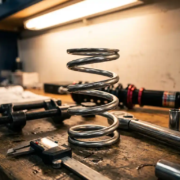
Swift springs are premium aftermarket coil springs manufactured using advanced high-tensile steel alloys and precision winding techniques that deliver consistent spring rates and superior durability compared to factory springs. Unlike stock springs, which must accommodate broad manufacturing tolerances and diverse driving conditions, Swift springs are engineered to tighter specifications and use performance-focused materials.
The primary differences lie in construction and materials. Stock springs typically use lower-grade steel and are designed as cost-effective solutions that work adequately across various scenarios. Swift springs employ proprietary H54SiCr6 spring steel, which offers exceptional fatigue resistance and maintains consistent performance over time. This material choice allows for thinner wire diameters while maintaining strength, resulting in lighter springs that reduce unsprung weight.
Manufacturing precision sets Swift springs apart significantly. While stock springs may have spring-rate tolerances of plus or minus 10%, Swift springs maintain tolerances within 2–3%. This precision ensures predictable handling characteristics and allows for more accurate suspension tuning. Consistent coil spacing and uniform wire thickness contribute to linear spring behavior throughout the compression range.
Why are Swift springs considered premium suspension components?
Swift springs earn their premium status through superior materials, advanced manufacturing processes, and extensive research and development, resulting in springs that offer better performance, longevity, and consistency than standard aftermarket alternatives. Their reputation in professional motorsport and high-performance applications validates their engineering excellence.
The metallurgy behind Swift springs represents decades of development. The H54SiCr6 steel alloy undergoes specialized heat-treatment processes that optimize its molecular structure for spring applications. This treatment creates springs that resist fatigue cracking, maintain their spring rate over time, and handle extreme temperature variations without performance degradation.
Quality control measures exceed industry standards. Each spring undergoes multiple inspections during manufacturing, including dimensional checks, surface-finish evaluation, and spring-rate verification. Swift employs computerized winding machines that ensure consistent coil spacing and wire tension throughout the manufacturing process. These measures result in springs that perform exactly to specification, batch after batch.
Professional racing teams choose Swift springs because reliability and predictability are crucial in competitive environments. When suspension behavior must remain consistent lap after lap, race after race, the precision engineering of Swift springs becomes essential. This motorsport validation translates directly into benefits for street and track-day applications.
Browse Products
Shock absorbers, springs, camber plates, air jacks and more. Explore the full range.
Custom Suspension
Every shock absorber built to your exact car, discipline and driving style. Nothing off the shelf.
Get in Touch
Have a question or a specific project? Our engineers are ready to help, no obligation.
What’s the difference between Swift springs and other aftermarket spring brands?
Swift springs distinguish themselves from other aftermarket brands through their proprietary steel alloy, tighter manufacturing tolerances, and progressive spring-rate designs that many competitors cannot match. While other brands may offer similar spring rates on paper, Swift’s consistency and build quality typically surpass alternatives in real-world performance.
Material quality represents the most significant difference. Many aftermarket spring manufacturers use standard spring-steel alloys that, while adequate, lack the advanced properties of Swift’s H54SiCr6 material. This difference becomes apparent over time, as lesser materials may experience spring-rate degradation, surface corrosion, or premature fatigue failure under demanding conditions.
Manufacturing precision varies considerably across brands. Budget-oriented manufacturers often accept wider tolerances to reduce costs, resulting in springs that may vary significantly from stated specifications. Mid-tier brands typically offer better consistency than budget options but rarely match Swift’s precision. This consistency affects how well springs work together in a complete suspension setup and how predictably the vehicle handles.
Design philosophy also differs between brands. Some manufacturers focus primarily on lowering vehicles with minimal consideration for ride quality or handling balance. Swift engineers its springs to maintain proper suspension geometry while improving performance, considering factors such as progressive rates, proper load distribution, and compatibility with shock absorbers.
How do Swift springs improve vehicle handling and performance?
Swift springs improve vehicle handling through reduced body roll, better tire contact-patch management, and more precise suspension control resulting from their consistent spring rates and optimized progressive characteristics. The performance gains manifest as improved cornering stability, better steering response, and enhanced overall vehicle dynamics.
Reduced unsprung weight contributes significantly to performance improvements. The high-strength steel allows Swift to manufacture springs with thinner wire diameters while maintaining the required spring rates. This weight reduction improves wheel control over road irregularities, allowing tires to maintain better contact with the road surface. Better tire contact translates directly into improved grip for acceleration, braking, and cornering.
Progressive spring-rate design enhances both performance and comfort. Unlike linear springs, which provide the same resistance throughout their compression range, Swift springs often feature progressive characteristics that offer softer initial compression for comfort over small bumps, then progressively stiffen to control larger suspension movements. This design provides the best of both worlds without the compromises typically associated with suspension modifications.
Consistent spring behavior eliminates the unpredictability that can plague vehicles with worn or poorly manufactured springs. When all four springs perform identically to their specifications, the vehicle’s handling becomes more predictable and confidence-inspiring. Drivers can better anticipate how the vehicle will respond to steering inputs, weight transfer, and road conditions.
Are Swift springs worth the higher cost compared to budget alternatives?
Swift springs justify their higher cost through superior longevity, consistent performance, and an improved driving experience that budget alternatives cannot match. While the initial investment is greater, the long-term value proposition often favors Swift springs when considering replacement intervals, performance benefits, and overall satisfaction.
Longevity is a significant cost consideration. Budget springs may require replacement within 50,000–80,000 miles due to spring-rate degradation or fatigue failure. Swift springs typically maintain their performance characteristics for 150,000+ miles under normal driving conditions. When factoring in replacement costs and installation labor, the total cost of ownership often favors the premium option.
Performance consistency cannot be overlooked when evaluating value. Budget springs may start with acceptable performance but gradually deteriorate, leading to unpredictable handling characteristics. Swift springs maintain their specified performance throughout their service life, providing consistent vehicle behavior that enhances both safety and driving enjoyment.
The improvement in driving experience varies by individual priorities and vehicle usage. Enthusiasts who value precise handling, track-day participants, and drivers seeking long-term reliability typically find Swift springs worth the investment. Daily drivers primarily concerned with lowering their vehicle might be satisfied with less expensive alternatives, though they sacrifice performance and longevity.
How Intrax Racing helps with Swift springs and custom suspension solutions
We understand that choosing the right springs requires more than just selecting a brand name. At Intrax Racing, we help customers determine whether Swift springs or our custom-made solutions best serve their specific needs and driving requirements.
- Comprehensive vehicle analysis to determine optimal spring rates and characteristics
- Custom spring manufacturing when standard options cannot achieve the desired performance goals
- Complete suspension system integration, ensuring springs work harmoniously with shock absorbers
- Professional consultation on spring selection based on vehicle modifications and intended use
- Ongoing support and adjustments to optimize suspension performance
Our nearly 50 years of motorsport experience allows us to provide expert guidance, whether you need premium aftermarket springs or completely bespoke suspension solutions. Every recommendation considers your specific vehicle, driving style, and performance objectives to ensure optimal results. Contact us today to discuss how we can enhance your vehicle’s suspension performance through the right spring selection and professional setup.
Ready to upgrade your suspension with the perfect spring solution? Get in touch with our suspension experts to discuss your specific requirements and discover how we can improve your vehicle’s performance and driving experience.
Browse Products
Shock absorbers, springs, camber plates, air jacks and more. Explore the full range.
Custom Suspension
Every shock absorber built to your exact car, discipline and driving style. Nothing off the shelf.
Get in Touch
Have a question or a specific project? Our engineers are ready to help, no obligation.