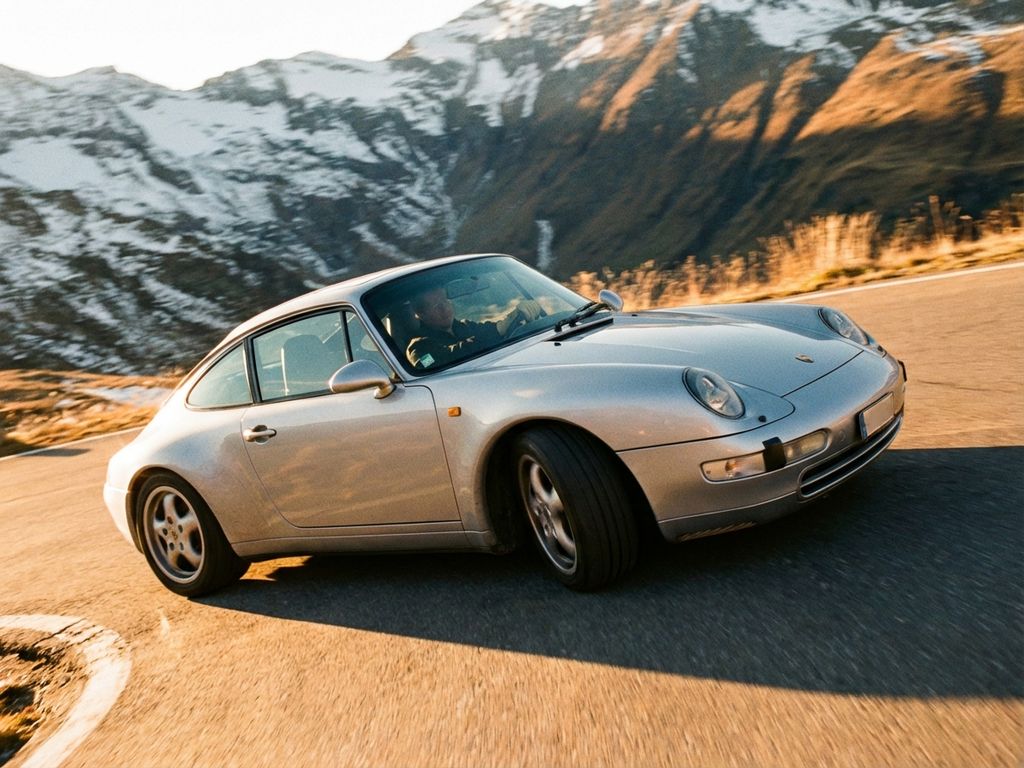
Understeer occurs when your Porsche’s front tyres lose grip during cornering, causing the car to continue straight instead of following your intended steering path. This handling characteristic affects driving performance and safety, particularly in Porsche models where rear engine weight distribution can create unique suspension dynamics that contribute to front end grip loss.
What exactly is understeer and why does it happen in Porsche vehicles?
Understeer happens when your front tyres reach their grip limit before the rear tyres during cornering, causing the car to push wide of your intended line. The front wheels lose their ability to change direction effectively, making the vehicle feel like it’s ploughing straight ahead despite steering input.
Porsche vehicles experience understeer due to their unique weight distribution characteristics. The rear engine layout in models like the 911 places significant mass behind the rear axle, which can actually help rear tyre grip but sometimes leaves the front end feeling light. This weight distribution, combined with the car’s suspension geometry, can create scenarios where the front tyres become overwhelmed during aggressive cornering.
The phenomenon becomes particularly noticeable when entering corners too quickly or applying excessive steering input. Modern Porsche models use sophisticated suspension systems to mitigate these tendencies, but it’s important to understand that factory suspension is always a compromise designed to work for all drivers, climates, and conditions, yet optimized for none. Understanding how understeer develops helps you recognise when your car is approaching its limits. This awareness is crucial for both safety and performance driving, as understeer can lead to longer stopping distances and reduced cornering capability.
How do suspension settings contribute to understeer problems?
Suspension components directly influence understeer through their effect on weight transfer and tyre contact patches. Springs and shock absorbers work as a system — changing one component without properly matching the other limits the overall results. Soft front springs paired with inadequate shock absorber settings, along with incorrect anti roll bar stiffness, can all contribute to excessive front end weight transfer during cornering, reducing front tyre grip and promoting understeer.
Spring rates play a fundamental role in controlling weight transfer. When front springs are too soft relative to the rear, the car’s weight shifts forward during braking and cornering, overloading the front tyres. This weight transfer reduces the tyres’ ability to generate lateral grip, creating the push wide sensation characteristic of understeer.
Anti roll bar stiffness affects how the car responds to cornering forces. A front anti roll bar that’s too stiff compared to the rear can cause the front tyres to lose grip first, while inadequate front stiffness allows excessive body roll that compromises tyre contact patches. Shock absorber settings also matter significantly — dampers that don’t control spring movement properly can create unpredictable weight transfer patterns.
Ride height affects the suspension geometry and aerodynamics. Incorrect ride height can alter camber curves and suspension pickup points, changing how the tyres contact the road surface during cornering. Understanding these relationships helps identify which suspension components need adjustment to reduce understeer tendencies.
What are the most effective suspension modifications to reduce understeer?
The most effective modifications include adjustable spring systems, custom shock absorbers, anti roll bar adjustments, and precise alignment changes. These modifications work together as a complete system to balance front and rear grip levels, ensuring both ends of the car reach their limits simultaneously rather than the front tyres giving up first. It’s crucial to understand that springs and dampers must be matched together — simply installing lowering springs alone may improve cornering but will reduce shock absorber stroke, actually hurting ride quality.
Adjustable spring systems allow fine tuning of weight transfer characteristics. Increasing rear spring rates relative to the front can help shift the balance towards more neutral handling. This approach requires careful consideration of ride quality and overall suspension harmony, as dramatic changes can create other handling issues.
Custom shock absorbers offer precise control over compression and rebound damping, allowing you to manage weight transfer more effectively. Properly valved dampers can reduce the sudden weight shifts that overwhelm front tyres during cornering transitions. The ability to adjust compression and rebound separately provides fine control over the car’s dynamic behaviour.
Anti roll bar modifications can dramatically affect handling balance. Reducing front anti roll bar stiffness or increasing rear stiffness shifts the grip balance towards the front tyres. Professional custom suspension solutions consider the entire system holistically, ensuring modifications work together harmoniously.
Alignment changes, particularly increasing front negative camber and adjusting toe settings, can improve front tyre grip during cornering. These adjustments help maintain better contact patches when the car is loaded in corners, reducing the tendency for front end grip loss.
Browse Products
Shock absorbers, springs, camber plates, air jacks and more. Explore the full range.
Custom Suspension
Every shock absorber built to your exact car, discipline and driving style. Nothing off the shelf.
Get in Touch
Have a question or a specific project? Our engineers are ready to help, no obligation.
How do you properly tune your Porsche’s suspension for better cornering balance?
Proper suspension tuning follows a systematic approach, starting with baseline measurements, making incremental adjustments, and testing changes methodically. Begin by establishing current suspension settings, then make small changes to individual components while monitoring their effects on handling balance through controlled testing.
Start your tuning process by recording current spring rates, damper settings, anti roll bar positions, and alignment specifications. This baseline documentation allows you to track changes and return to previous settings if modifications don’t improve handling. Choose a familiar test route or track section where you can safely evaluate handling changes.
Make adjustments incrementally, changing only one variable at a time. For understeer reduction, begin with small increases to rear spring rates or anti roll bar stiffness. Test these changes thoroughly before making additional modifications. This methodical approach helps identify which changes actually improve handling versus those that might mask other issues.
Testing procedures should include various cornering scenarios — slow speed technical sections, medium speed sweepers, and higher speed corners if appropriate. Pay attention to how the car responds to steering input, how it feels at the limit, and whether the front and rear tyres reach their grip limits simultaneously.
Finding optimal balance requires patience and systematic evaluation. The goal is achieving neutral handling where the car responds predictably to steering input without excessive understeer or oversteer. Different driving conditions may require slightly different setups, so consider your primary usage when finalising settings.
How Intrax Racing helps with Porsche understeer solutions
We specialise in creating custom suspension solutions that address understeer issues specific to your Porsche model and driving requirements. Our motorsport derived engineering approach ensures optimal handling balance through precision engineered components that eliminate the compromises found in factory suspensions. While factory suspension is always a compromise designed to work for all drivers, climates, and conditions worldwide but optimized for none — our custom suspension ensures the car is tailored precisely to the driver’s preferences, creating setups built around your individual requirements.
Our comprehensive approach includes:
- Custom shock absorber design with specific valving for your vehicle and driving style
- Engineered spring rate recommendations based on weight distribution analysis
- Anti roll bar solutions tailored to your chassis requirements
- Complete suspension system integration ensuring all components work harmoniously
- Technical support throughout the tuning process
With nearly 50 years of motorsport engineering experience, we understand how suspension modifications affect overall vehicle dynamics. Our custom solutions address understeer while maintaining ride quality and reliability for both track and road use. Intrax delivers complete, matched custom setups where every component works together as a system.
Ready to transform your Porsche’s handling characteristics? Get in touch to discuss your specific requirements and discover how our custom suspension expertise can eliminate understeer issues while enhancing your driving experience.
Browse Products
Shock absorbers, springs, camber plates, air jacks and more. Explore the full range.
Custom Suspension
Every shock absorber built to your exact car, discipline and driving style. Nothing off the shelf.
Get in Touch
Have a question or a specific project? Our engineers are ready to help, no obligation.