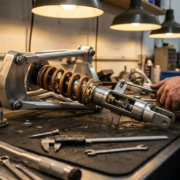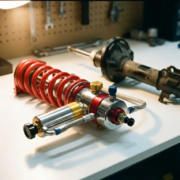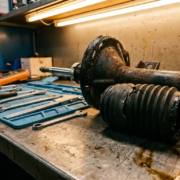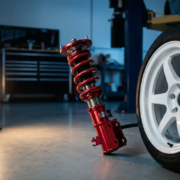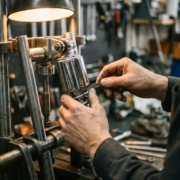
Chrome helper spring coiled around black shock absorber strut on white workbench in precision engineering workshop

What is a helper spring and when do you need one?

Helper springs play a crucial role in modern suspension systems, yet many car enthusiasts remain uncertain about their purpose and application. These specialized components work alongside your main springs to address specific suspension challenges that standard setups simply cannot handle effectively.

Understanding when and why you need a helper spring can transform your vehicle’s performance, comfort, and handling characteristics. Whether you’re dealing with extreme lowering requirements, varying load conditions, or seeking optimal suspension geometry, helper springs offer targeted solutions that complement your primary suspension components.

What Is a Helper Spring and How Does It Work?

A helper spring is a shorter, lighter coil spring that works in conjunction with your main spring to provide additional support and maintain proper suspension geometry throughout the shock absorber’s travel range. Unlike your main spring, which handles the primary load-bearing duties, the helper spring engages under specific conditions to enhance overall suspension performance.

Helper springs function by maintaining contact between suspension components when the main spring becomes unloaded or extends beyond its effective range. This prevents the main spring from becoming loose or disconnected during suspension travel, which can cause noise, handling issues, and potential safety concerns. The helper spring essentially fills the gap when your main spring cannot provide adequate tension.

The working principle involves the helper spring compressing first during initial suspension loading, then working together with the main spring as loads increase. When properly configured with adjustment collars, the preload on the helper spring should be set before adjusting the main spring to ensure optimal performance across all driving conditions.

When Do You Actually Need a Helper Spring?

You need a helper spring when your main spring cannot maintain proper contact throughout the suspension’s full range of motion, particularly in lowered vehicles, under varying load conditions, or when using progressive spring rates that create gaps during suspension travel.

The most common scenario requiring helper springs occurs with significantly lowered vehicles. When you lower your car beyond the main spring’s designed operating range, the spring can become loose during extension, causing rattling noises and unpredictable handling. Helper springs maintain tension and keep all components properly seated.

Vehicles with varying load conditions also benefit from helper springs. If your car experiences dramatic weight changes between empty and loaded states, helper springs help maintain consistent suspension geometry regardless of load. This ensures predictable handling whether you’re driving solo or with passengers and cargo.

Racing applications frequently require helper springs when using very stiff main springs optimized for track performance. These high-rate springs may not provide adequate support under low-load conditions, making helper springs essential for maintaining suspension control at lower speeds and during parking maneuvers.

What’s the Difference Between Helper Springs and Main Springs?

Helper springs are shorter, lighter, and have lower spring rates than main springs. They are designed to provide supplementary support rather than primary load-bearing capacity. Main springs support the vehicle’s weight and handle the primary suspension duties, while helper springs address specific geometric and operational challenges.

The fundamental difference lies in their roles within the suspension system. Main springs determine your vehicle’s ride height, spring-rate characteristics, and primary handling behavior. They’re engineered to support the vehicle’s weight and provide the desired balance between comfort and performance based on your specific requirements.

Helper springs, conversely, focus on maintaining proper suspension geometry and component contact. They typically feature much lower spring rates and shorter compressed lengths, allowing them to work without significantly altering the main spring’s characteristics. This design ensures they provide support when needed without interfering with normal suspension operation.

Installation positioning also differs significantly. Main springs occupy the primary spring-perch locations and determine overall suspension geometry. Helper springs are installed in secondary positions, often using specialized mounting hardware or integrated designs that allow them to function independently while complementing the main spring’s operation.

How Do Helper Springs Affect Your Car’s Performance?

Helper springs improve suspension performance by preventing spring separation, reducing noise, maintaining consistent geometry, and ensuring predictable handling characteristics across all driving conditions, without significantly altering your main spring’s rate or behavior.

The performance benefits manifest most noticeably in handling consistency. Without helper springs, loose main springs can create unpredictable suspension behavior during direction changes, braking, and acceleration. Helper springs maintain constant component contact, ensuring your suspension responds predictably to driver inputs and road conditions.

Noise reduction represents another significant performance improvement. Loose springs can create rattling and clunking sounds that not only affect driving comfort but also indicate potential component wear. Helper springs eliminate these noises by maintaining proper component positioning and preventing metal-to-metal contact during suspension travel.

Ride-quality benefits emerge from improved suspension-geometry control. When main springs become loose, suspension geometry can change unpredictably, affecting wheel alignment and contact-patch consistency. Helper springs preserve optimal geometry throughout the suspension’s operating range, maintaining tire contact and vehicle stability.

How Intrax Racing Helps with Helper Spring Solutions

We specialize in creating custom suspension solutions that integrate helper springs seamlessly with your main suspension components. Our approach involves calculating the exact helper spring specifications based on your vehicle’s requirements, intended use, and specific modifications.

Our helper spring solutions include:

  • Custom spring-rate calculations matched to your main spring characteristics
  • Precise length specifications for optimal geometry maintenance
  • Integration with our adjustment collar systems for easy tuning
  • High-quality materials and manufacturing to ensure long-term reliability
  • Complete documentation and setup instructions for proper installation

Whether you’re building a track-focused setup, restoring a classic vehicle, or optimizing a daily driver with specific requirements, our engineering team calculates helper spring specifications that complement your main springs perfectly. Contact us today to discuss your specific helper spring needs and discover how custom suspension engineering can transform your vehicle’s performance. Get in touch with our suspension specialists to explore your options.

Related Articles

White BMW E46 M3 on race track with transparent cutaway showing red Intrax coilovers and suspension components in golden hour lighting

How do you set up a BMW E46 for track days?

The BMW E46 is a beloved platform among track-day enthusiasts, offering excellent balance and responsive handling that make it ideal for circuit driving. However, transforming your E46 from a capable street car into a track-focused machine requires careful consideration of suspension modifications, brake upgrades, safety equipment, and tuning adjustments.

Proper track-day preparation involves more than just showing up with a stock vehicle. The demanding nature of circuit driving places extreme loads on your car’s systems, requiring specific modifications to ensure both performance and safety on track.

What suspension modifications does a BMW E46 need for track days?

BMW E46 track-day suspension modifications should include adjustable coilovers or sport springs paired with performance dampers, upgraded anti-roll bars, and reinforced suspension mounting points. These modifications provide better body control, reduced weight transfer, and improved tire contact during aggressive cornering.

The stock E46 suspension system, while competent for street driving, includes compromises that limit track performance. Factory dampers are tuned for comfort and must accommodate varying load conditions, making them less effective at controlling body movement during hard track use. Performance springs paired with properly matched dampers eliminate these compromises by providing tuning tailored to track conditions.

Adjustable coilover systems offer the greatest flexibility for track use, allowing you to fine-tune ride height, spring rates, and damping characteristics. This adjustability becomes crucial when adapting your setup to different track layouts or driving conditions. Front spring rates typically range from 400 to 600 lb/in for track use, while rear rates of 350 to 500 lb/in provide balanced handling.

Anti-roll bar upgrades significantly improve cornering response by reducing body roll and maintaining better tire contact patches through turns. A larger front bar reduces understeer, while a larger rear bar helps rotate the car more aggressively. The key is finding the right balance between front and rear stiffness to suit your driving style and the specific characteristics of each track.

How do you upgrade BMW E46 brakes for track performance?

BMW E46 brake upgrades for track performance typically include larger-diameter rotors, high-temperature brake pads, stainless steel braided lines, and high-boiling-point brake fluid. These modifications provide increased thermal capacity, improved pedal feel, and consistent stopping power during repeated hard-braking sessions.

Track driving subjects brake systems to extreme thermal stress that standard components cannot handle effectively. Stock brake pads can begin to fade after just a few hard stops, while standard brake fluid can boil under sustained high temperatures, leading to brake failure. Upgrading to track-specific pads with higher operating temperature ranges helps ensure consistent bite and modulation throughout your session.

Rotor upgrades focus on increasing thermal mass and improving heat dissipation. Two-piece floating rotors offer weight savings and better heat management than one-piece rotors. Slotted or drilled surfaces can help evacuate brake dust and gases, though plain rotors often provide the most consistent performance for dedicated track use.

Brake fluid upgrades to DOT 4 or DOT 5.1 specifications, with dry boiling points above 500°F, help prevent vapor lock under extreme conditions. Stainless steel braided lines reduce the spongy pedal feel that can develop with rubber lines under high pressure and temperature. These seemingly minor upgrades can dramatically improve brake system reliability and driver confidence on track.

What safety equipment is required for BMW E46 track days?

BMW E46 track-day safety requirements typically include a properly fitted helmet, long pants, closed-toe shoes, and, depending on the organization, a roll bar. Advanced track events may require racing seats, harnesses, fire extinguishers, and roll cages for higher-speed groups.

Safety requirements vary significantly between track-day organizations and experience levels. Novice groups often require only basic safety gear, while advanced groups may demand more comprehensive equipment. Always verify specific requirements with your track-day organizer before attending, as some items, such as roll bars, may require professional installation and certification.

Helmet selection should prioritize proper fit and current safety certifications. Snell SA or M ratings provide high protection levels, while ECE and DOT ratings may meet minimum requirements, depending on the organizer. The helmet must fit securely without pressure points, as you will wear it for extended periods during track sessions.

Interior safety modifications become essential as speeds increase. A proper roll bar or cage helps protect occupants during rollover incidents, while racing seats and harnesses keep drivers properly positioned during high-G cornering. Fire extinguishers and electrical cut-off switches provide additional safety margins for serious track enthusiasts.

How do you tune BMW E46 suspension settings for different tracks?

BMW E46 suspension tuning for different tracks involves adjusting ride height, damping settings, and anti-roll bar stiffness based on track characteristics. Smooth tracks benefit from lower ride heights and stiffer settings, while bumpy circuits require softer damping and higher ride heights to maintain tire contact.

Understanding ride-height adjustment principles is crucial for track-specific tuning. Increasing spring preload raises the vehicle, while reducing preload lowers it. When helper springs are installed, their preload must be set first before adjusting the main spring. Correctly setting ride height affects balance, handling, and overall track performance.

Track surface conditions dictate suspension setup approaches. Smooth, flowing circuits like Road America reward lower ride heights and stiffer spring rates that maximize aerodynamic efficiency and reduce weight transfer. Conversely, bumpy tracks like Lime Rock Park require higher ride heights and more compliant settings to prevent the car from becoming unsettled over surface irregularities.

Damping adjustments fine-tune how quickly the suspension responds to track inputs. Stiffer compression damping reduces body movement during braking and acceleration, while rebound damping controls how quickly the suspension returns to its resting position. The goal is to find settings that provide responsive handling without making the car difficult to drive consistently.

How Intrax Racing helps with BMW E46 track preparation

We specialize in developing custom suspension solutions specifically calculated for your BMW E46 and your track-day requirements. Our engineers analyze your vehicle data, intended track use, and driving preferences to create suspension systems that deliver optimal performance without compromising reliability.

Our track-day suspension solutions include:

  • Custom-calculated spring rates and damping curves for your specific E46 variant
  • Adjustable ride-height systems optimized for track geometry
  • Professional consultation on suspension setup for different track layouts
  • Comprehensive suspension terminology guidance to help you understand your setup

Every suspension system we build receives a unique identification number, with a complete history stored under your name, ensuring future service and upgrade options. Rather than accepting the compromises inherent in mass-produced suspension components, we create solutions tailored specifically to your E46 and track-day goals. Contact us to discuss how we can optimize your BMW E46 for track-day excellence.

Related Articles

Worn rusty coilover suspension component contrasted with pristine premium coilover on garage workbench, highlighting quality differences

Why does your car feel worse after fitting budget coilovers?

Installing budget coilovers on your car might seem like an affordable way to improve handling and lower your ride height, but many drivers discover that their vehicle actually feels worse after the modification. While the promise of enhanced performance at a fraction of the cost sounds appealing, cheap coilover systems often create more problems than they solve, leaving you with compromised ride quality, poor handling, and potential safety concerns.

Understanding why budget suspension components fail to deliver on their promises can help you make informed decisions about upgrading your vehicle’s suspension system. The difference between quality and cheap coilovers extends far beyond price, affecting everything from daily comfort to long-term reliability.

What happens to your car when you install budget coilovers?

Budget coilovers typically make your car feel harsh, bouncy, and unstable compared to the original suspension. The ride becomes noticeably stiffer without improving actual handling performance, while road noise increases significantly and the vehicle may feel disconnected from the road surface.

The immediate effects become apparent during your first drive. Budget coilovers often use inappropriately stiff springs paired with inadequate damping, creating a combination that transmits every road imperfection directly to the cabin. This harsh ride doesn’t translate to better cornering ability because the dampers cannot properly control spring movement.

Over time, additional problems emerge. The vehicle may develop an uncomfortable bouncing sensation over bumps, as cheap dampers struggle to settle the suspension quickly. Steering response often becomes vague or unpredictable, particularly during direction changes or emergency maneuvers. The suspension geometry may also be compromised if the coilovers don’t properly replicate the original mounting points and suspension terminology specifications.

Why do cheap coilovers perform worse than stock suspension?

Cheap coilovers perform worse than stock suspension because manufacturers use inferior materials, simplified designs, and generic tuning that doesn’t match your specific vehicle’s requirements. Stock suspension systems are extensively tested and engineered for your exact car model, while budget coilovers use a one-size-fits-all approach.

Original equipment manufacturers invest millions in developing suspension systems tailored to each vehicle’s weight distribution, intended use, and target market. They conduct extensive testing across various road conditions, temperatures, and driving scenarios. Budget coilover manufacturers cannot justify this investment for low-cost products, instead relying on generic valving and spring rates that may be completely inappropriate for your vehicle.

The materials used in cheap coilovers also contribute to poor performance. Low-grade seals allow oil to leak from the dampers, reducing their effectiveness over time. Inferior spring steel may sag or break under normal use, while cheap adjustment mechanisms can seize or strip easily. Stock suspension components, while not adjustable, use higher-quality materials designed to last for the vehicle’s intended lifespan.

What are the most common problems with budget coilover systems?

The most common problems with budget coilover systems include oil leaks from poor seals, seized adjustment collars, premature spring failure, and inconsistent damping performance. These issues typically appear within the first year of installation and worsen over time.

Oil leaks represent the most frequent failure mode in cheap coilovers. Low-quality seals cannot withstand constant movement and pressure changes, allowing damper oil to escape. Once oil leaks begin, the damper loses its ability to control spring movement effectively, resulting in poor handling and ride quality.

Adjustment mechanisms on budget coilovers often seize due to inadequate materials and poor manufacturing tolerances. The adjustment collars may become impossible to turn, trapping you at whatever ride height was initially set. When adjustment is possible, the threads may strip easily, making the coilovers permanently non-adjustable.

Spring-related problems include sagging, where the springs lose their ability to support the vehicle’s weight, and complete spring failure, where coils break entirely. Budget springs often use inferior steel alloys that cannot maintain their properties under repeated compression cycles. Additionally, the spring rates may be completely inappropriate for your vehicle’s weight and intended use.

How much should you spend on quality coilovers?

Quality coilovers typically cost significantly more than budget alternatives, but the investment reflects superior engineering, materials, and performance. The price difference between cheap and quality suspension often represents the cost of proper development, testing, and manufacturing standards.

While budget coilovers might seem attractive at first glance, they often require replacement within a year or two, making them more expensive in the long run. Quality suspension systems are designed to last for many years with proper maintenance, providing consistent performance throughout their lifespan.

The true value of quality coilovers extends beyond the initial cost. Properly engineered suspension improves safety, enhances driving enjoyment, and maintains vehicle value. Quality systems also offer genuine adjustability, allowing you to fine-tune the setup for different driving conditions or preferences. Custom-engineered solutions provide the ultimate value by matching the suspension precisely to your vehicle and driving requirements.

What should you look for in a proper coilover system?

A proper coilover system should feature high-quality damper construction, appropriate spring rates for your vehicle, reliable adjustment mechanisms, and comprehensive engineering support. Look for manufacturers with proven experience in suspension development and strong warranties backing their products.

Quality dampers use precision-machined components, high-grade seals, and carefully calibrated valving. The adjustment collars should operate smoothly and lock securely in position. Springs should be manufactured from high-quality steel with appropriate rates calculated for your specific vehicle’s weight and intended use.

Reputable manufacturers provide detailed specifications for their products, including spring rates, damping curves, and adjustment ranges. They should offer technical support to help you select the appropriate setup for your vehicle and driving requirements. Quality systems also come with comprehensive warranties and rebuild services, ensuring long-term performance and value.

How Intrax Racing helps with suspension performance

We specialize in creating custom-made suspension solutions that eliminate the compromises found in both stock and budget aftermarket systems. Our approach ensures your suspension is precisely matched to your vehicle’s specifications and your driving preferences, delivering optimal performance without sacrificing comfort.

Our custom suspension development process includes:

  • Complete vehicle analysis, including weight distribution, intended use, and modifications
  • Personalized spring rate calculations based on your driving style and requirements
  • Custom damper valving engineered specifically for your setup
  • Proper ride height adjustment guidance using proven principles of spring preload
  • Ongoing support and rebuild services to maintain peak performance

With nearly 50 years of motorsport experience, we understand that proper suspension tuning requires individual attention rather than generic solutions. Contact us to discuss how custom suspension engineering can transform your driving experience while maintaining the reliability and comfort you need for daily use.

Related Articles

Mechanic installing silver coilovers on lifted sports car in professional garage with precision tools and organized equipment

How do you break in new coilovers?

Installing new coilovers is an exciting upgrade that can transform your vehicle’s handling and appearance. However, many enthusiasts are eager to push their new suspension to its limits immediately after installation. Understanding the proper break-in process for new coilovers is crucial for optimal performance, longevity, and safety.

The break-in period allows internal components to settle, seals to seat properly, and oil to distribute evenly throughout the shock absorber. This process ensures your coilovers deliver their intended performance characteristics and maximum service life.

What does it mean to break in new coilovers?

Breaking in new coilovers means allowing the internal components to gradually settle and adapt through controlled driving during the first few hundred miles. This process allows seals to seat properly, internal parts to wear in smoothly, and damping fluid to circulate effectively throughout the shock absorber.

During manufacturing, coilover components are assembled to precise tolerances, but they need real-world operation to reach their optimal state. The break-in process involves the gradual bedding-in of seals against cylinder walls, the settling of valve components, and the proper distribution of damping oil. Internal friction between moving parts decreases as surfaces polish through normal operation.

New coilovers may initially feel slightly different from their final characteristics. Some drivers notice that the damping feels firmer or less refined during the first few drives. This is completely normal and typically resolves as the suspension components work together. The break-in process is essential for achieving the smooth, controlled damping that quality coilovers are designed to provide.

How long is the break-in period for new coilovers?

The break-in period for new coilovers typically lasts 200 to 500 miles of normal driving, depending on the specific design and manufacturer recommendations. Most coilovers reach their optimal performance characteristics within the first 300 miles under varied driving conditions.

The exact duration depends on several factors, including the type of damping technology, seal materials, and internal valve design. High-performance racing coilovers may require a shorter break-in period due to their precision manufacturing, while street-oriented systems might need the full 500 miles to settle completely.

During this period, focus on accumulating miles through normal driving rather than tracking specific time intervals. City driving, highway cruising, and gentle cornering all contribute to the break-in process. The key is exposing the coilovers to varied loads and movements that allow all internal components to work together properly.

What’s the proper way to drive during coilover break-in?

Drive normally and avoid extreme conditions during the break-in period. Focus on smooth inputs, gradual acceleration and braking, and gentle cornering, while avoiding aggressive driving, track sessions, or harsh impacts from potholes and speed bumps.

Start with gentle driving for the first 50 miles, gradually increasing the intensity as the suspension settles. Vary your driving conditions to include city streets, highways, and gentle curves. This approach ensures all aspects of the coilover’s operation are properly exercised during the break-in process.

Avoid sudden jolts or impacts that could stress the seals before they’re properly seated. Take speed bumps slowly, navigate around large potholes when possible, and avoid parking-lot curb strikes. Similarly, resist the temptation to test maximum cornering limits or perform aggressive maneuvers until the break-in period is complete.

Pay attention to how the suspension feels during this period. You may notice gradual improvements in smoothness and control as the miles accumulate. This feedback helps you gauge when your coilovers have reached their optimal performance.

Should you adjust coilovers during the break-in period?

Avoid making damping adjustments during the break-in period, but ride-height adjustments are acceptable if necessary for safety or clearance. Wait until after the break-in period to fine-tune damping settings, as the suspension characteristics will change as components settle.

If you must adjust ride height during break-in, do so carefully and minimally. The knowledge base emphasizes that ride height affects balance, handling, appearance, and driving comfort, so major changes should wait until after break-in, when you can properly evaluate the suspension’s behavior.

Damping adjustments made too early can mask the natural settling process and make it difficult to establish proper baseline settings later. Once the break-in period is complete, you’ll have a better understanding of the coilover’s true characteristics and can make informed adjustments based on your driving preferences and requirements.

Document your initial settings so you can return to them if needed. This baseline becomes valuable reference information for future adjustments and maintenance.

What happens if you don’t properly break in coilovers?

Skipping the proper break-in process can lead to premature seal wear, inconsistent damping performance, and reduced coilover lifespan. Aggressive driving before components have properly settled may cause internal damage that affects long-term reliability and performance.

Without proper break-in, seals may not seat correctly against cylinder walls, leading to potential leakage or inconsistent damping. Internal components that haven’t been gradually worked in may experience accelerated wear or develop rough operation that persists throughout the coilover’s life.

The damping characteristics may never reach their intended smoothness and control if the break-in process is rushed or ignored. This can result in a harsh, unrefined feel that doesn’t represent the coilover’s true capabilities. Additionally, warranty coverage may be affected if manufacturer break-in procedures aren’t followed.

Proper break-in ensures you get the full performance and longevity that quality coilovers are designed to provide. The relatively small time investment during the break-in period pays dividends in terms of performance, comfort, and reliability over the coilover’s service life.

How Intrax Racing helps with coilover break-in and setup

We provide comprehensive guidance and support throughout your coilover break-in process and beyond. Our nearly 50 years of motorsport experience means we understand exactly how suspension components behave during their initial settling period and throughout their service life.

Our support includes:

  • Detailed break-in instructions specific to your custom-built coilovers
  • Technical guidance on proper adjustment procedures after break-in
  • Ongoing support for fine-tuning and optimization based on your driving style
  • Complete documentation of your specific setup for future reference and service

Every custom shock absorber we build receives a unique number, with its complete history stored under your name, ensuring we can provide specific guidance for your exact setup. Whether you need break-in advice, adjustment help, or future service support, our team of suspension specialists is ready to help you get the most from your investment.

Ready to experience the difference that properly broken-in, custom-tuned coilovers can make? Contact our suspension experts to discuss your specific requirements and learn more about our comprehensive support services.

Related Articles

Mechanic applying lubricant to chrome coilover suspension adjustment mechanism on garage workbench with tools in background

Why do coilovers squeak and how do you fix it?

Squeaky coilovers can transform your driving experience from smooth and enjoyable to frustrating and embarrassing. These annoying noises often develop gradually, making it difficult to pinpoint when they first started or what’s causing them. Understanding why coilovers squeak and how to address the problem is essential for maintaining your suspension system’s performance and your peace of mind on the road.

While some suspension noise is normal under extreme conditions, persistent squeaking usually indicates a specific issue that requires attention. The good news is that most coilover squeaking problems can be diagnosed and resolved without expensive replacements, provided you understand the root causes and proper maintenance techniques.

What causes coilovers to squeak?

Coilovers squeak primarily due to friction between moving parts, worn bushings, contaminated components, or improper installation. The most common culprits include dry or contaminated shock absorber seals, worn rubber bushings, dirt buildup on adjustment collars, and insufficient lubrication of moving components.

Shock absorber seals can start squeaking when they dry out or when dirt and debris contaminate the seal surface. This creates friction as the piston rod moves up and down during suspension travel. Similarly, the rubber bushings that connect suspension components can deteriorate over time, losing flexibility and creating noise as they bind against metal surfaces.

Adjustment collars on coilovers can also produce squeaking sounds when they become dirty or corroded. Since these collars are used to adjust ride height by changing spring preload, any debris or lack of lubrication can cause them to bind and squeak during normal suspension movement. Environmental factors like road salt, mud, and moisture accelerate this process, making regular cleaning and maintenance crucial for quiet operation.

Temperature changes can exacerbate squeaking issues, as rubber components become stiffer in cold weather and may not move as smoothly. Additionally, incorrect installation torque or misaligned components can create uneven stress points that lead to premature wear and noise.

How do you diagnose which part is causing the squeak?

Diagnosing squeaky coilovers requires systematic testing to isolate the noise source. Start by bouncing each corner of the vehicle while listening carefully to identify which wheel produces the squeak. Then perform a visual inspection of bushings, seals, and adjustment collars, checking for obvious wear or contamination.

Begin your diagnosis by having someone bounce each corner of the vehicle while you listen from different positions. This helps determine whether the squeak comes from the front or rear suspension and which specific wheel is affected. Pay attention to whether the noise occurs during compression, rebound, or both phases of suspension movement.

A visual inspection reveals many squeaking culprits. Look for cracked or deteriorated rubber bushings, which often appear dry, hardened, or separated from their metal housings. Check shock absorber seals for signs of oil leakage, dirt accumulation, or visible wear around the piston rod. Examine adjustment collars for corrosion, debris buildup, or signs that they’re binding against the spring or shock body.

Testing specific components helps narrow down the source. Try manually rotating the adjustment collars slightly to see whether this eliminates or changes the squeak. Spray a small amount of penetrating oil on suspected components and test again after allowing it to soak in. If the squeak temporarily disappears, you’ve likely identified the problem area.

Advanced Diagnostic Techniques

For persistent squeaks, remove the wheels and perform more detailed inspections. Check that all mounting hardware is properly torqued and that no components are rubbing against each other. Sometimes squeaks originate from loose hardware rather than worn components, making this step crucial for an accurate diagnosis.

Can you fix squeaky coilovers without replacing them?

Most squeaky coilovers can be fixed without replacement through proper cleaning, lubrication, and component maintenance. Solutions include cleaning and lubricating adjustment collars, replacing worn bushings, servicing shock absorber seals, and ensuring that installation torque specifications are met.

Cleaning and lubrication solve many squeaking issues, especially those related to adjustment collars and external components. Remove the wheels and clean all visible suspension components with appropriate solvents to remove dirt, salt, and debris. Pay special attention to adjustment collar threads and contact points where components move against each other.

Apply appropriate lubricants to moving parts, but avoid over-lubrication, which can attract more dirt. Use silicone spray for rubber bushings, as petroleum-based lubricants can damage rubber components. For adjustment collars, light machine oil or specialized suspension lubricants work best to prevent binding and corrosion.

Bushing replacement addresses squeaks from worn rubber components without requiring complete coilover replacement. Many bushings are available separately and can be pressed out and replaced using basic tools. This is often more cost-effective than replacing entire suspension components and can restore quiet operation.

Shock absorber seal service may be possible depending on your coilover design. Some units allow seal replacement without a complete rebuild, though this requires specific technical knowledge and proper tools. If seals cannot be serviced separately, professional rebuilding services can restore shock absorber performance and eliminate squeaks.

What’s the best way to prevent coilovers from squeaking?

Preventing coilover squeaks requires regular maintenance, including periodic cleaning, proper lubrication of moving parts, protection from environmental contaminants, and correct installation procedures. Establishing a maintenance schedule based on driving conditions helps catch potential issues before they develop into persistent squeaks.

Regular cleaning is the most effective prevention strategy. Wash suspension components monthly or after driving in harsh conditions like salted roads or muddy terrain. Focus on removing accumulated debris from adjustment collars, bushings, and shock absorber areas where dirt can cause binding and wear.

Proper lubrication involves applying appropriate lubricants to moving components at regular service intervals. Check and clean adjustment collar threads every few months, applying light lubrication to prevent corrosion and binding. Inspect rubber bushings for signs of drying or cracking, treating them with silicone-based protectants when necessary.

Environmental protection helps extend component life and prevent squeaking. Consider applying protective coatings to exposed metal surfaces in harsh climates. Park in covered areas when possible to reduce exposure to moisture and temperature extremes that accelerate component wear.

Installation quality significantly affects long-term performance. Ensure all components are properly torqued to manufacturer specifications and that no parts are binding or misaligned during installation. Poor installation creates stress points that lead to premature wear and noise.

How Intrax Racing helps with squeaky coilovers

We specialize in creating custom suspension solutions that minimize common problems like squeaking through precision engineering and high-quality components. Our approach addresses squeak prevention from the design phase, using superior materials and manufacturing processes that reduce the likelihood of noise over time.

Our custom-built shock absorbers offer several advantages for eliminating squeaks:

  • Precision-manufactured seals and bushings designed for your specific vehicle and driving conditions
  • High-quality adjustment collars with superior thread finish and corrosion resistance
  • Custom damping calculations that reduce stress on components and extend service life
  • Professional installation guidance to ensure proper setup and prevent installation-related squeaks
  • Ongoing technical support for maintenance and troubleshooting questions

When you invest in custom suspension components, you’re not just getting better performance—you’re getting a solution engineered to last without the common problems that plague mass-produced alternatives. Contact us to discuss how our custom suspension solutions can eliminate squeaking issues while delivering the exact performance characteristics you need for your vehicle and driving style.

Related Articles

Chrome MacPherson strut and aluminum double wishbone suspension systems displayed on white stands in garage workshop

What is better, Upside down MacPherson or double wishbone?

What is the difference between upside-down MacPherson and double wishbone suspension?

The primary difference lies in their structural design and load distribution: an upside-down MacPherson strut inverts the traditional strut configuration to reduce bending under lateral forces, while a double wishbone setup uses two separate control arms to manage wheel movement independently of the damper. Both are independent suspension systems, but they achieve wheel control through fundamentally different approaches.

In a conventional MacPherson strut, the piston rod serves as both the damping element and the primary structural component, making it vulnerable to bending stress during cornering. The upside-down MacPherson design addresses this weakness by making the larger outer tube the load-bearing element, while the piston rod remains protected inside. This inversion maintains damping consistency and reduces camber change under dynamic loads.

Double wishbone suspension, by contrast, separates the damping and structural functions entirely. Two wishbone-shaped control arms—upper and lower—manage wheel positioning, while the shock absorber focuses solely on damping. This separation allows engineers to optimize wheel geometry independently of damper placement, providing superior control over camber, caster, and toe angles throughout suspension travel.

How does upside-down MacPherson suspension work?

Upside-down MacPherson suspension works by inverting the traditional strut design so the larger outer tube becomes the primary structural element that connects to the wheel carrier, while the piston rod remains internal and protected from bending forces. This configuration maintains straight rod alignment throughout the damping stroke, preserving consistent damping performance regardless of cornering loads.

The key mechanical advantage emerges under dynamic conditions. In conventional MacPherson struts, lateral forces from cornering can cause the piston rod to bend, which introduces friction, disrupts damping consistency, and can lead to seal failure. The inverted design transfers these lateral loads to the much stronger outer tube, which has significantly greater resistance to bending due to its larger diameter and wall thickness.

During suspension compression and rebound, the piston rod moves freely within the protected outer tube without experiencing the bending stresses that compromise conventional struts. This results in more predictable damping characteristics, reduced friction, and improved reliability over the component’s service life. The design also minimizes camber change under load, keeping the wheel geometry stable and maintaining consistent tire contact with the road surface.

What are the advantages of double wishbone suspension?

Double wishbone suspension offers superior wheel-geometry control through its dual-arm design, allowing engineers to precisely manage camber, caster, and toe angles throughout suspension travel. This independent control of wheel positioning provides better maintenance of the tire contact patch, improved handling predictability, and reduced tire wear compared to strut-based systems.

The separation of structural and damping functions creates significant engineering flexibility. The shock absorber can be positioned optimally for packaging and performance without compromising wheel control, while the upper and lower wishbones can be designed with different lengths and angles to achieve specific handling characteristics. This flexibility makes double wishbone suspension particularly valuable in performance applications where precise wheel control is paramount.

Additional advantages include excellent durability under high loads, as forces are distributed across multiple mounting points rather than concentrated in a single strut assembly. The system also allows for more sophisticated anti-roll bar integration and provides better isolation of road noise and vibration. These benefits explain why double wishbone suspension remains the preferred choice for many high-performance vehicles and racing applications.

Which suspension is better for performance driving?

For ultimate performance driving, double wishbone suspension generally provides superior control due to its ability to maintain optimal wheel geometry throughout suspension travel and its flexibility in tuning. However, upside-down MacPherson can deliver excellent performance while offering packaging and cost advantages, making the choice dependent on specific performance priorities and constraints.

Double wishbone excels in track conditions where precise handling and consistent lap times are critical. The system’s ability to minimize camber change during body roll helps maintain the maximum tire contact patch, which is crucial for generating peak grip. The independent positioning of shock absorbers also allows for optimal damper placement and more sophisticated anti-roll bar configurations.

Upside-down MacPherson represents a compelling middle ground for performance applications. While it cannot match double wishbone’s ultimate geometric control, it eliminates the primary weakness of conventional struts under high lateral loads. For street-performance cars and many motorsport applications, a properly tuned upside-down MacPherson setup can deliver handling that approaches double wishbone performance while maintaining simpler packaging and lower complexity.

What are the disadvantages of each suspension type?

Upside-down MacPherson’s main disadvantages include inherent camber change during suspension travel and structural limitations compared to double wishbone systems, while double wishbone suspension suffers from increased complexity, higher costs, and greater packaging-space requirements. Both systems demand precise engineering to realize their potential benefits.

Upside-Down MacPherson Limitations

Despite its improvements over conventional struts, upside-down MacPherson still experiences some camber change during suspension compression and rebound, though significantly less than traditional MacPherson designs. The system also requires more sophisticated manufacturing than conventional struts, potentially increasing production costs. Additionally, the inverted design may present packaging challenges in some vehicle configurations, where the larger tube diameter at the top mount creates clearance issues.

Double Wishbone Drawbacks

Double wishbone suspension’s complexity translates into higher manufacturing costs and increased maintenance requirements due to multiple pivot points and bushings. The system demands significantly more packaging space, making it challenging to implement in compact vehicles or in vehicles where interior space is prioritized. The numerous connection points also create more potential failure modes, and achieving optimal performance requires careful attention to bushing selection and maintenance.

How Intrax Racing Helps with Custom Suspension Solutions

We specialize in creating custom suspension systems that maximize the potential of both upside-down MacPherson and double wishbone configurations for your specific vehicle and driving requirements. Rather than offering one-size-fits-all solutions, our approach involves calculating precise damping characteristics and spring rates tailored to your car’s weight distribution, intended use, and personal preferences.

Our custom suspension development process includes:

  • Detailed analysis of your vehicle’s suspension geometry and load characteristics
  • Custom damper valving optimized for your specific suspension type and driving style
  • Matched spring selection that complements the damper characteristics
  • Performance testing and refinement to ensure an optimal balance of handling and comfort

Whether you’re working with upside-down MacPherson or double wishbone suspension, our nearly 50 years of motorsport experience enables us to extract maximum performance from your chosen system. Contact us to discuss how we can develop a suspension solution that transforms your vehicle’s handling characteristics while maintaining the comfort you need for your intended use.

Related Articles

MacPherson strut suspension component with polished shock absorber and coil spring in automotive garage workshop lighting

How much does it cost to convert your MacPherson to an upside-down setup?

What is an upside-down suspension conversion?

An upside-down suspension conversion transforms a conventional MacPherson strut system by inverting the structural components, making the larger outer tube the primary load-bearing element instead of the piston rod. This engineering modification reduces the bending stress that affects conventional struts under lateral forces.

In a standard MacPherson strut, the piston rod serves dual purposes: it controls the damping action and bears the structural loads from cornering and braking forces. This creates a fundamental weakness: the rod can bend under high lateral loads, disrupting the damping process and causing handling inconsistencies. The upside-down design addresses this by making the outer tube responsible for structural support while keeping the piston rod protected internally.

The conversion process involves completely redesigning the strut assembly’s architecture. The wheel carrier connects to the robust outer tube, which can better resist bending forces due to its larger diameter and wall thickness. Meanwhile, the piston rod remains straight throughout its travel, maintaining consistent damping characteristics regardless of cornering forces. This structural change delivers more predictable handling and improved mechanical reliability under demanding driving conditions.

How much does a MacPherson-to-inverted conversion typically cost?

MacPherson-to-inverted suspension conversion costs vary significantly based on your vehicle type, performance requirements, and chosen components. The investment reflects the engineering complexity and custom manufacturing required for this advanced suspension modification.

Several factors influence the overall investment for an inverted shock absorber conversion. Vehicle-specific engineering requirements play a major role, as each car demands unique mounting solutions, geometry calculations, and component specifications. Performance applications typically require more sophisticated valving and materials than street-focused setups.

The conversion involves more than just replacing the struts themselves. Supporting modifications often include custom mounting hardware, revised suspension geometry calculations, and potential brake-line relocation. Professional installation ensures proper alignment and safety, which is an additional consideration in your overall budget planning.

What factors affect the price of a suspension conversion?

Vehicle complexity, performance requirements, and the level of customization are the primary factors determining suspension conversion pricing. Each vehicle presents unique engineering challenges that influence the overall investment required for a successful conversion.

Your vehicle’s existing suspension architecture significantly impacts conversion complexity. Cars with integrated suspension components or limited space require more extensive modifications. High-performance vehicles often need specialized materials and advanced valving systems, while street-focused applications can use more standard specifications.

Custom engineering requirements add substantial value to any suspension conversion project. Factors include specific damping characteristics for your driving style, unique mounting solutions for your vehicle, and integration with existing systems such as anti-roll bars or electronic stability control. The level of customization directly correlates with the engineering time and specialized components required.

Performance and Material Specifications

Racing applications demand different specifications than street use, affecting both component selection and pricing. Track-focused conversions require more robust materials, adjustable damping systems, and specialized coatings to handle extreme conditions. Street applications prioritize comfort and integration alongside performance improvements.

What are the benefits of converting to upside-down suspension?

Converting to upside-down suspension delivers superior handling precision, reduced camber change under load, and enhanced damping consistency during dynamic driving conditions. The inverted design eliminates the structural weakness of conventional MacPherson struts, where the piston rod can bend under lateral forces.

The most significant advantage is maintaining wheel-geometry stability during cornering. Conventional struts allow camber changes as the piston rod flexes, reducing tire contact patch consistency and grip levels. Inverted strut systems keep the wheel position stable by transferring structural loads to the robust outer tube, preserving optimal tire contact throughout suspension travel.

Damping performance remains consistent regardless of lateral load. In conventional systems, rod bending introduces friction and disrupts the damping process, creating unpredictable handling characteristics. The upside-down configuration protects the piston rod internally, ensuring smooth damping action and predictable vehicle response during aggressive driving maneuvers.

Reliability and Longevity Improvements

The structural advantages translate into improved component longevity and reduced maintenance requirements. By eliminating bending stress on internal components, seal integrity remains intact longer, and the risk of damper failure under extreme conditions decreases significantly. This reliability is particularly valuable in motorsport applications, where component failure can have serious consequences.

Should you convert MacPherson struts to an inverted setup?

Converting MacPherson struts to an inverted setup makes sense for performance-oriented drivers who experience the limitations of conventional struts during spirited driving or track use. The conversion provides measurable improvements in handling precision and consistency that justify the investment for serious enthusiasts.

Consider your driving requirements and performance expectations when evaluating this conversion. If you frequently experience handling inconsistencies during cornering, notice significant camber changes under load, or participate in track events where suspension performance affects lap times, an inverted setup addresses these limitations effectively.

The conversion is most beneficial for vehicles that regularly see dynamic driving conditions. Daily drivers used primarily for commuting may not fully realize the performance advantages, while weekend sports cars and track vehicles can benefit immediately from the improved handling characteristics and reliability.

Vehicle Compatibility Considerations

Not all vehicles are ideal candidates for a MacPherson-to-inverted conversion. Cars with limited suspension travel, complex integrated systems, or space constraints may require extensive modifications that affect the cost-benefit ratio. A professional assessment helps determine whether your specific vehicle can accommodate the conversion effectively while maintaining the functionality of other systems.

How Intrax Racing helps with suspension conversions

We specialize in custom-engineered suspension solutions that transform your vehicle’s handling characteristics while maintaining the comfort and reliability you expect. Our approach to MacPherson strut conversions combines decades of motorsport experience with precision engineering tailored to your specific requirements.

Our comprehensive conversion process includes:

  • Vehicle-specific engineering analysis and custom damper design calculated for your exact application
  • Precision manufacturing using materials and techniques proven in Formula 1 and professional motorsport
  • Integrated spring and damper optimization that enhances handling without compromising comfort
  • Comprehensive technical support throughout the conversion process and beyond

Every conversion we engineer is built specifically for your vehicle and driving requirements, ensuring optimal performance whether you’re pursuing track excellence or enhanced street driving dynamics. Ready to explore how an inverted suspension conversion can transform your driving experience? Contact our engineering team to discuss your specific requirements and begin the journey toward superior suspension performance.

Related Articles

Suspended sports car wheel assembly comparing heavy steel wheel with lightweight carbon fiber wheel on high-performance suspension components in modern automotive workshop

Does less unsprung weight really make a noticeable difference on the street?

What is unsprung weight, and why does it matter?

Unsprung weight refers to all components below your car’s springs that move up and down with the wheels, including the wheels, tires, brake rotors, calipers, and parts of the suspension system, such as the shock absorbers. This weight directly affects how quickly your wheels can respond to changes in the road surface and influences overall vehicle dynamics.

The fundamental principle is simple: lighter unsprung components can change direction faster when encountering bumps, potholes, or other road irregularities. When your wheel hits a bump, the unsprung mass wants to continue moving upward due to inertia. The more mass involved, the more force is required to control that movement and return the wheel to the road surface. This creates a direct relationship between unsprung weight and your car’s ability to maintain consistent tire contact with the road.

Beyond basic physics, unsprung weight affects multiple aspects of vehicle performance. Heavy unsprung components put additional stress on springs and dampers, requiring them to work harder to control wheel movement. This increased workload can lead to reduced component lifespan and compromised performance over time.

How does unsprung weight affect handling and ride quality?

Excessive unsprung weight reduces tire contact with the road surface, leading to decreased grip, longer braking distances, and less precise steering response. Heavy wheels and suspension components create more wheel hop over bumps and make it harder for your suspension to keep the tires planted during cornering.

The impact on ride quality becomes apparent in how your car handles road imperfections. With heavy unsprung components, your suspension system struggles to absorb impacts efficiently. The result is more jarring bumps transmitted to the cabin and a general feeling that your car is fighting the road rather than flowing with it. This phenomenon is particularly noticeable when driving over consecutive small bumps or rough pavement textures.

Handling characteristics also change significantly with variations in unsprung weight. Heavy wheels create gyroscopic effects that resist steering inputs, making the car feel sluggish when changing direction. During emergency maneuvers, this resistance can mean the difference between avoiding an obstacle and not having enough steering response. The suspension system’s ability to maintain optimal wheel geometry under load also diminishes when dealing with excessive unsprung mass.

What’s the difference between reducing unsprung weight on the track versus on the street?

Track driving amplifies the benefits of reduced unsprung weight due to higher speeds, aggressive cornering, and sustained high-performance demands, while street driving tends to show subtler improvements focused on ride comfort and daily usability. The controlled environment of a track allows drivers to fully exploit the enhanced suspension performance.

On the track, every advantage compounds. Reduced unsprung weight translates to faster lap times through improved tire contact during high-speed cornering, better braking performance under repeated heavy use, and more predictable handling at the limit. Race conditions push suspension systems to their maximum capability, where the difference between optimal and suboptimal unsprung weight becomes measurable in lap times and consistency.

Street driving presents different priorities and constraints. While the performance benefits exist, they are tempered by practical considerations such as pothole resistance, noise levels, and cost-effectiveness. Street drivers benefit most from improved ride quality over broken pavement and enhanced steering feel under normal driving conditions. The safety improvements from better emergency handling and shorter stopping distances provide real-world value even if they are not frequently tested at the limit.

How much unsprung weight reduction creates a noticeable difference?

Most drivers begin noticing improvements with unsprung weight reductions of 5–10 pounds per wheel, though the threshold varies based on the vehicle’s total weight, suspension design, and driver sensitivity. Lighter vehicles typically show more dramatic improvements from smaller weight reductions than heavier cars.

The relationship isn’t linear—the first few pounds of weight reduction often provide the most noticeable benefits. This occurs because you are moving from a potentially overdamped setup toward more optimal suspension tuning. Removing 15–20 pounds per corner usually creates unmistakable differences in steering response and ride quality that most drivers can immediately detect.

Vehicle-specific factors influence these thresholds significantly. Sports cars with firm suspension setups and lower overall weight show improvements more readily than heavy SUVs with soft suspension tuning. The quality of your existing suspension components also matters—cars with well-engineered suspension systems will demonstrate the benefits of reduced unsprung weight more clearly than vehicles with basic setups that mask subtle improvements.

Which unsprung weight modifications provide the best value for street cars?

Lightweight wheels offer the best combination of noticeable performance improvement and reasonable cost for most street cars, typically reducing 3–8 pounds per wheel while maintaining durability for daily driving. Quality aftermarket wheels provide immediate benefits without requiring additional modifications or professional installation.

The wheel-and-tire combination represents the largest opportunity for unsprung weight reduction on most vehicles. Switching from heavy factory wheels to well-designed lightweight alternatives can reduce total unsprung weight by 20–40 pounds while improving the car’s appearance. When selecting new tires, choosing models that balance weight with performance characteristics suited to your driving needs maximizes the investment.

Suspension component upgrades offer longer-term value through improved performance and durability. Modern shock absorbers and springs designed to reduce weight often provide better damping characteristics than heavier factory components. However, these modifications require more careful consideration of your specific vehicle and driving requirements to achieve optimal results.

How Intrax Racing helps with unsprung weight optimization

We specialize in creating custom suspension solutions that optimize the relationship between unsprung weight and suspension performance for your specific vehicle and driving style. Our approach goes beyond simply reducing weight—we engineer complete systems that maximize the benefits of reduced unsprung mass.

Our comprehensive approach includes:

  • Custom shock absorber design that accounts for your vehicle’s unsprung weight characteristics
  • Precision spring rate calculations optimized for reduced unsprung mass
  • Complete system integration ensuring all components work together harmoniously
  • Performance validation through extensive testing and real-world application

Every suspension system we build considers the complete unsprung weight picture, ensuring that reductions in mass translate into measurable improvements in your driving experience. Contact us to discuss how we can optimize your vehicle’s suspension performance through intelligent unsprung weight management and custom engineering solutions.

Related Articles

Chrome MacPherson strut assembly suspended upside-down in automotive workshop with LED lighting and professional tools in background

Is an upside-down MacPherson worth it for your car?

What is an upside-down MacPherson strut, and how does it work?

An upside-down MacPherson strut, also known as an inverted strut suspension, reverses the traditional MacPherson design by mounting the larger damper body (cylinder) at the top and the smaller piston rod at the bottom. This configuration is the opposite of the conventional setup, in which the cylinder sits at the bottom of the suspension assembly.

In this inverted design, the damper body connects directly to the vehicle’s chassis, while the piston rod attaches to the wheel hub. This arrangement creates a more rigid mounting point at the top, reducing flex during compression and rebound. The inverted strut suspension maintains the same basic operating principles as a conventional MacPherson strut, using hydraulic damping to control wheel movement while supporting the vehicle’s weight through an integrated coil spring.

What are the main benefits of inverted MacPherson struts?

Inverted MacPherson struts offer superior rigidity, reduced unsprung weight, and improved heat dissipation compared with conventional designs. The larger cylinder mounted at the top provides a more stable connection point, minimizing deflection under load and enhancing suspension precision.

The inverted configuration also shifts more mass to the sprung side of the vehicle, effectively reducing unsprung weight at the wheel. This reduction improves wheel control over road surfaces and enhances overall handling responsiveness. Additionally, the upside-down design allows better heat management, as the larger damper body has more surface area for cooling and sits in a position with improved airflow.

Performance drivers particularly appreciate how inverted strut suspension maintains more consistent damping characteristics during extended use. The enhanced structural integrity translates into more predictable handling, especially during aggressive cornering or track driving, where suspension precision becomes critical.

What’s the difference between upside-down and conventional MacPherson struts?

The primary difference lies in orientation: conventional MacPherson struts mount the damper cylinder at the bottom with the piston rod extending upward, while upside-down versions reverse this arrangement. This fundamental change affects structural rigidity, weight distribution, and thermal management.

Conventional MacPherson struts connect the smaller piston rod to the chassis, creating a potential flex point under heavy loads. The inverted strut design reduces this weakness by connecting the larger, more rigid cylinder directly to the vehicle structure. This creates a significantly stiffer mounting arrangement that better maintains wheel alignment under stress.

Manufacturing complexity also differs between the two designs. Standard MacPherson struts follow a simpler construction process, making them more cost-effective for mass production. Inverted MacPherson struts require more precise engineering and specialized sealing solutions to handle the reversed pressure dynamics, contributing to their premium positioning in the suspension market.

Which cars benefit most from upside-down MacPherson struts?

Sports cars, track-focused vehicles, and high-performance street cars gain the most significant advantages from upside-down MacPherson struts. These vehicles demand precise suspension control and can fully utilize the enhanced rigidity and reduced unsprung weight that inverted designs provide.

Vehicles with aggressive suspension tuning particularly benefit from the improved structural integrity. Cars used for autocross, track days, or spirited canyon driving experience noticeable improvements in handling precision and consistency. The enhanced heat dissipation also proves valuable for vehicles that see repeated hard use, where conventional dampers might fade.

However, the benefits extend beyond pure performance applications. Enthusiast-oriented daily drivers can appreciate the improved road feel and more controlled suspension movement, especially when paired with properly matched spring rates. The key is ensuring the suspension system is properly tuned to match the vehicle’s intended use and the driver’s preferences.

How much does upgrading to inverted MacPherson struts cost?

The cost of upgrading to inverted MacPherson struts varies significantly based on vehicle application, performance requirements, and the level of customization. Premium inverted suspension systems typically command higher prices than conventional alternatives due to their specialized engineering and manufacturing complexity.

Several factors influence the investment required for an inverted strut upgrade. Vehicle-specific engineering requirements, desired adjustability features, and performance specifications all affect the final cost. Custom-tuned systems designed for specific driving styles and vehicle setups generally require additional investment but deliver optimized performance for the intended application.

When considering an upgrade, it’s important to factor in the complete suspension system rather than individual components. Properly matched springs, dampers, and supporting hardware work together to deliver the full benefits of inverted strut technology. Professional installation and setup also contribute to achieving optimal performance from the upgraded suspension system.

Are upside-down MacPherson struts worth it for street driving?

Upside-down MacPherson struts can be worthwhile for street driving when properly tuned for daily use, offering improved handling precision and road feel without sacrificing comfort. The key lies in custom tuning that balances performance benefits with street-driving requirements.

Many drivers assume that enhanced performance means compromised comfort, but this isn’t necessarily true with properly engineered inverted suspension systems. When dampers and springs are specifically calibrated for street use, the improved structural rigidity can contribute to better control over road imperfections. This results in a more composed ride that maintains comfort while delivering superior handling characteristics.

The decision ultimately depends on driving priorities and expectations. Enthusiasts who value precise handling, reduced body roll, and enhanced feedback will find inverted MacPherson struts beneficial for street use. However, drivers primarily focused on maximum comfort might prefer conventional suspension systems tuned specifically for that purpose. The versatility of custom-tuned suspension allows for optimization based on individual preferences and driving patterns.

How Intrax Racing helps with custom inverted suspension solutions

We specialize in designing and manufacturing custom-made suspension systems that maximize the benefits of inverted MacPherson strut technology for your specific vehicle and driving requirements. Our approach eliminates the compromises found in standard suspension systems by creating solutions tailored to your exact specifications.

Our inverted suspension solutions include:

  • Vehicle-specific engineering that optimizes mounting points and geometry
  • Custom damping curves calculated for your driving style and performance goals
  • Matched spring rates that complement the inverted strut characteristics
  • Professional consultation to determine the ideal setup for your application
  • Comprehensive tuning that balances performance with comfort requirements

With nearly 50 years of motorsport experience, we understand how to harness inverted strut technology for both street and track applications. Every suspension system we build starts with your specific requirements, ensuring optimal performance whether you’re navigating daily commutes or attacking corners on track. Ready to explore how custom inverted suspension can transform your driving experience? Contact us to discuss your project and discover the possibilities.

Related Articles

Two automotive struts on metallic workbench showing MacPherson and inverted designs with chrome and anodized finishes under dramatic workshop lighting

What is the Difference between an upside-down MacPherson and a MacPherson strut?

What is a MacPherson strut and how does it work?

A MacPherson strut is a type of automotive suspension system that combines a shock absorber and coil spring into a single structural unit that also serves as one of the steering pivots. This design integrates the damping element, spring, and upper suspension mounting point into one compact assembly.

The MacPherson strut works by using the shock absorber as a structural member of the suspension. The strut connects the vehicle’s body to the wheel hub, with the top mounted to the chassis via a strut mount and the bottom attached to the steering knuckle. When the wheel encounters road irregularities, the coil spring compresses and extends to absorb impacts, while the internal shock absorber controls the spring’s oscillations to maintain tire contact with the road surface.

This suspension design offers several advantages, including reduced weight, lower manufacturing costs, and more interior space, since it requires fewer components than double-wishbone systems. The MacPherson strut has become one of the most common front suspension designs in modern vehicles due to its efficiency and packaging benefits.

What is an upside-down MacPherson strut?

An upside-down MacPherson strut, also called an inverted strut, reverses the traditional orientation by mounting the larger-diameter cylinder at the top and the smaller piston rod at the bottom. This configuration flips the conventional MacPherson design, in which the cylinder typically sits at the bottom with the rod extending upward.

In an inverted strut design, the main shock absorber body connects directly to the vehicle’s chassis, while the thinner piston rod extends downward to attach to the wheel hub assembly. This arrangement fundamentally changes how forces transfer through the suspension system and affects the overall structural characteristics of the assembly.

The upside-down configuration originated in motorcycle racing and gradually found its way into high-performance automotive applications. This design modification addresses specific performance limitations of conventional MacPherson struts, particularly regarding rigidity and precise wheel control during aggressive driving conditions.

What’s the main difference between upside-down and standard MacPherson struts?

The main difference between upside-down and standard MacPherson struts lies in their structural rigidity and force distribution. Inverted struts place the larger, more rigid cylinder section at the top, creating a stiffer connection point with the chassis, while standard struts have the more flexible piston rod extending upward from the bottom-mounted cylinder.

Standard MacPherson struts mount the shock absorber cylinder at the bottom, with the thinner piston rod extending through the top mount. This creates a potential flex point where the rod connects to the chassis. The rod, being smaller in diameter than the cylinder, can experience slight deflection under high lateral loads, which may affect precision in wheel positioning.

Upside-down struts eliminate this flex point by connecting the substantial cylinder directly to the chassis mount. The piston rod, now at the bottom, experiences primarily vertical forces rather than the combined vertical and lateral stresses present in conventional designs. This configuration results in improved structural integrity and more precise wheel control, especially during cornering and under heavy braking forces.

Why are upside-down MacPherson struts better for performance?

Upside-down MacPherson struts deliver superior performance through increased structural rigidity, reduced unsprung weight, and improved heat dissipation. The inverted design eliminates flex in the upper mounting area, providing more precise wheel control and better suspension geometry maintenance during dynamic driving conditions.

The enhanced rigidity of inverted struts translates directly to improved handling characteristics. When cornering forces attempt to deflect the suspension, the larger cylinder diameter at the top resists bending more effectively than a thin piston rod. This resistance maintains proper wheel alignment and contact patch consistency, which is crucial for maximum tire grip and predictable vehicle behavior.

Heat management represents another significant advantage of the upside-down configuration. The larger cylinder surface area positioned at the top allows for better heat dissipation to the surrounding air, preventing shock absorber fade during extended performance driving. Additionally, the inverted design often allows for larger internal components and increased oil capacity, further improving thermal performance and damping consistency.

The weight distribution benefits also contribute to performance gains. By positioning the heavier cylinder portion as part of the sprung weight rather than the unsprung weight, inverted struts reduce the mass that the suspension system must control, allowing for quicker response to road surface changes and improved overall suspension effectiveness.

Which cars use upside-down MacPherson struts?

Upside-down MacPherson struts are primarily found in high-performance sports cars, racing vehicles, and premium automotive applications where superior handling precision justifies the additional complexity and cost. Notable examples include various Porsche models, certain BMW M vehicles, and select racing-focused production cars.

Many formula racing series utilize inverted strut designs due to their superior rigidity and precise wheel control characteristics. The technology has gradually filtered down from motorsport applications into road-going performance vehicles, particularly those designed for track use or aggressive driving scenarios.

Some manufacturers offer upside-down MacPherson struts as optional equipment on their performance variants or as part of specialized handling packages. The adoption rate remains limited compared to conventional struts due to increased manufacturing complexity and higher costs, but the performance benefits make them attractive for applications where handling precision is paramount.

How Intrax Racing helps with custom suspension solutions

We specialize in creating custom-built shock absorbers that optimize both MacPherson and inverted strut configurations for your specific vehicle and driving requirements. Our approach ensures that whether your car uses conventional or upside-down MacPherson struts, the suspension system delivers optimal performance tailored to your exact needs.

Our custom suspension solutions address the inherent compromises found in standard shock absorbers by providing:

  • Precise damping characteristics calculated for your vehicle’s weight distribution and intended use
  • Custom spring rates that complement the shock absorber tuning for improved handling without sacrificing comfort
  • Specialized configurations for both street driving and track performance applications
  • Expert consultation to determine the optimal suspension setup for your specific requirements

Every shock absorber we build starts with raw materials and is assembled only after we receive detailed information about your vehicle and performance goals. This ensures optimal compatibility with your strut design, whether conventional or inverted. Contact our suspension specialists to discuss how we can enhance your vehicle’s handling characteristics with a custom-tuned suspension system.

Related Articles