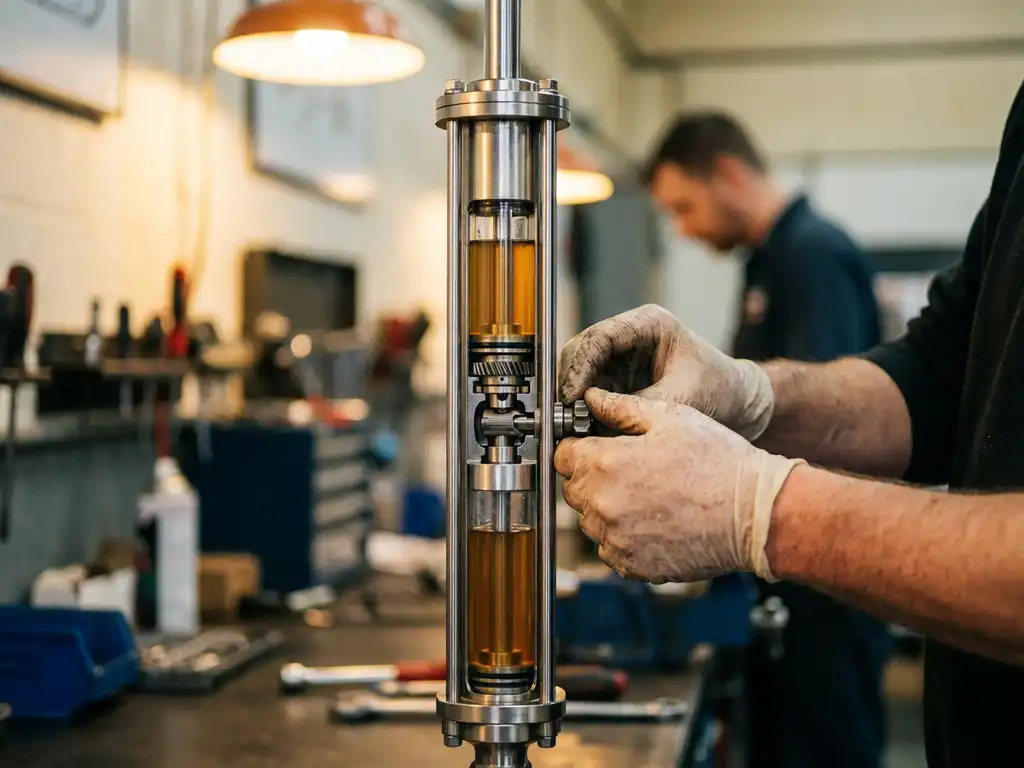
Rising-rate suspension represents a sophisticated approach to vehicle dynamics that adapts to different driving conditions by progressively increasing spring stiffness as compression increases. Unlike traditional linear suspension systems that maintain constant spring rates, rising-rate technology provides a variable response that can dramatically improve both comfort and performance. This advanced suspension technology has become increasingly popular among enthusiasts seeking the perfect balance between daily drivability and spirited driving capability.
Whether you need rising-rate suspension depends on your driving style, how you use your vehicle, and your performance expectations. With nearly five decades of experience in motorsport suspension development, we’ve seen how this technology can transform a vehicle’s character when properly implemented and tuned to specific requirements.
What is rising-rate suspension, and how does it work?
Rising-rate suspension is a system in which the spring rate progressively increases as the suspension compresses, providing softer initial compliance for comfort and firmer resistance under heavy loads or aggressive driving. The system achieves this variable response through specially designed springs or linkage mechanisms that alter the effective spring rate throughout the compression cycle.
The fundamental principle behind rising-rate suspension involves changing the mechanical advantage or spring geometry as the wheel moves through its travel. In coil-spring applications, this typically means using progressive-wound springs in which the coil spacing varies along the spring’s length. As the spring compresses, the closer-wound coils contact each other and become inactive, effectively shortening the spring and increasing its rate.
Alternative rising-rate designs include rocker-arm or bell-crank systems that change the leverage ratio between the wheel and spring as the suspension moves. These mechanisms can provide precise control over the rate progression and allow engineers to tailor suspension characteristics to specific performance requirements. The result is a suspension that remains compliant over small bumps while providing increased control during cornering, braking, or acceleration.
What’s the difference between rising-rate and linear-rate suspension?
Linear-rate suspension maintains a constant spring rate throughout its compression range, meaning the force required to compress the spring increases proportionally with displacement. Rising-rate suspension progressively increases in stiffness, requiring exponentially more force as compression increases and providing variable response characteristics.
Linear suspension systems offer predictable, consistent behavior that many drivers find intuitive. The spring rate remains constant whether you’re driving over small road imperfections or experiencing significant suspension compression during aggressive cornering. This consistency makes linear systems easier to tune and understand, particularly for racing applications where predictable behavior is crucial.
Rising-rate systems sacrifice some predictability for versatility. Their progressive nature means the suspension can provide excellent ride quality over minor surface irregularities while still controlling body roll and maintaining tire contact during more demanding driving situations. However, this complexity can make suspension tuning more challenging, as the effective spring rate changes throughout the suspension’s operating range.
What are the benefits of rising-rate suspension systems?
Rising-rate suspension improves ride comfort over small bumps while maintaining superior control during aggressive driving, effectively eliminating the traditional compromise between comfort and performance. Its progressive nature allows for better tire contact and reduced body roll without sacrificing everyday usability.
The primary advantage lies in the system’s ability to adapt automatically to different driving scenarios. During normal driving conditions, the softer initial spring rate provides excellent comfort by absorbing road imperfections and minor surface variations. This compliance translates to reduced driver fatigue and improved passenger comfort during daily commuting or long-distance travel.
Under more demanding conditions, the progressive rate increase provides several performance benefits:
- Enhanced body control during cornering, reducing roll and maintaining optimal suspension geometry
- Improved weight-transfer management during braking and acceleration
- Better tire contact patch maintenance across varying load conditions
- Reduced bottoming out under heavy compression while maintaining ride quality
For vehicles that see varied use, from daily driving to occasional track days, rising-rate suspension can provide an optimal balance that would be impossible to achieve with linear-rate systems alone.
How do you know if you need rising-rate suspension?
You may benefit from rising-rate suspension if you experience a harsh ride with your current performance springs, frequent bottoming out during spirited driving, or excessive body roll that compromises both comfort and handling. This technology is particularly beneficial for vehicles used in multiple scenarios that demand different suspension characteristics.
Several driving situations indicate that rising-rate suspension could significantly improve your vehicle’s performance and comfort. If you find yourself constantly adjusting your driving style to accommodate your suspension’s limitations, a progressive system might provide the solution you’re seeking.
Consider rising-rate suspension if you experience:
- An uncomfortable ride on daily commutes but inadequate control during aggressive driving
- Difficulty finding a spring rate that works for both street and track use
- Suspension bottoming out under heavy braking or acceleration
- Excessive body roll that affects both comfort and tire-wear patterns
Vehicles with significant weight variations—such as those used for both solo driving and carrying passengers or cargo—particularly benefit from rising-rate systems. The progressive nature automatically adapts to changing load conditions without requiring manual adjustments or compromising performance in either scenario.
Browse Products
Shock absorbers, springs, camber plates, air jacks and more. Explore the full range.
Custom Suspension
Every shock absorber built to your exact car, discipline and driving style. Nothing off the shelf.
Get in Touch
Have a question or a specific project? Our engineers are ready to help, no obligation.
What should you consider when choosing rising-rate suspension?
When choosing rising-rate suspension, consider your primary vehicle use, desired comfort level, performance requirements, and compatibility with existing suspension components. The progression rate, total available travel, and integration with your vehicle’s existing geometry are crucial factors that determine overall effectiveness.
The selection process requires careful analysis of your specific requirements and vehicle characteristics. Unlike linear systems, where spring-rate selection is relatively straightforward, rising-rate systems require you to consider the entire progression curve and how it matches your driving patterns.
Key Selection Criteria
Vehicle weight and distribution significantly influence rising-rate suspension performance. Heavier vehicles, or those with unusual weight distributions, may require different progression rates to achieve optimal results. Additionally, existing modifications such as anti-roll bars, strut tower braces, or chassis reinforcements can affect how rising-rate suspension integrates with your vehicle’s overall dynamics.
The intended use profile plays a crucial role in determining the appropriate progression characteristics. Street-focused applications typically benefit from gentler rate increases that prioritize comfort, while performance-oriented setups may require more aggressive progression to handle extreme loads. Custom spring solutions allow for precise tailoring of these characteristics to match specific requirements.
Compatibility with existing shock absorbers and suspension components must be carefully evaluated. The damping characteristics that work well with linear springs may not provide optimal control with progressive-rate systems, potentially requiring complementary adjustments to achieve the desired balance.
How Intrax Racing helps with rising-rate suspension solutions
We specialize in developing custom suspension solutions that optimize rising-rate technology for your specific vehicle and driving requirements. Our engineers analyze your vehicle’s characteristics, intended use, and personal preferences to determine the ideal progression curve and damping characteristics that deliver exceptional comfort and performance.
Our comprehensive approach to rising-rate suspension includes:
- Detailed analysis of your vehicle’s weight distribution and suspension geometry
- Custom calculation of optimal progression rates based on your driving patterns
- Integration of progressive springs with precisely matched damping characteristics
- Complete system testing and refinement to ensure optimal performance across all conditions
With nearly 50 years of experience in motorsport and street-suspension development, we understand how to harness rising-rate technology effectively. Every system we develop is built specifically for your vehicle and requirements, ensuring you receive the ideal balance of comfort and performance that mass-produced solutions cannot provide.
Ready to experience the benefits of properly engineered rising-rate suspension? Contact our engineering team to discuss how we can develop a custom solution tailored to your specific needs and driving style.
Browse Products
Shock absorbers, springs, camber plates, air jacks and more. Explore the full range.
Custom Suspension
Every shock absorber built to your exact car, discipline and driving style. Nothing off the shelf.
Get in Touch
Have a question or a specific project? Our engineers are ready to help, no obligation.
Related Articles
- How do you adjust rebound damping for performance driving?
- How do you adjust preload for a loaded car or towing?
- How to adjust suspension for a lowered or lifted car?
- How to improve car suspension for street and performance driving?
- What is the difference between custom suspension and factory suspension?
- How do coilovers transform your Porsche driving experience?