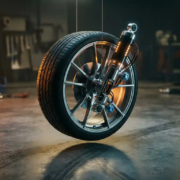
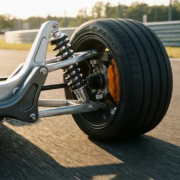
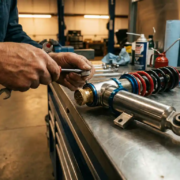
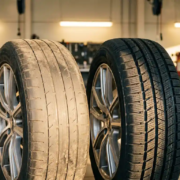
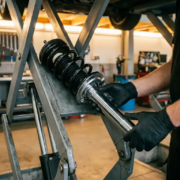
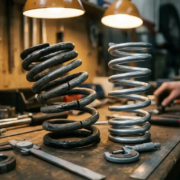
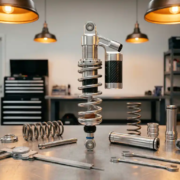
Car suspension cross-section comparing worn factory shock absorber with premium aftermarket unit in automotive workshop

Why is factory suspension a compromise?

Factory suspension represents a carefully calculated compromise designed to satisfy diverse driving conditions, varying load requirements, and different user preferences across a broad customer base. Manufacturers must create suspension systems that perform adequately in all scenarios rather than excelling in specific applications. This universal approach means factory suspension cannot deliver optimal performance for individual driving styles, vehicle modifications, or specialized requirements. Understanding these inherent limitations reveals why custom suspension technology offers superior solutions for drivers seeking enhanced automotive performance and handling precision.

What makes factory suspension a universal compromise?

Factory suspension systems are engineered to meet the needs of the average driver across all possible driving scenarios, creating inherent compromises that prevent optimization for any specific use case. Manufacturers must design suspension that works for daily commuting, highway cruising, occasional spirited driving, and varying passenger loads while remaining cost-effective for mass production.

The universal design approach requires suspension engineers to find middle-ground settings that satisfy regulatory requirements across multiple markets. These systems must perform adequately in extreme temperature variations, from arctic conditions to desert heat, while accommodating different road surfaces and driving styles. The result is a suspension setup that never truly excels in any particular area.

Cost constraints significantly influence factory suspension design decisions. Manufacturers must balance performance with affordability, leading to compromises in component quality and adjustability features. Mass production requirements further limit customization options, as factories need standardized components that can be efficiently manufactured and assembled across thousands of vehicles.

Regulatory compliance adds another layer of complexity, as factory suspension must meet safety standards and emissions requirements across different regions. These regulations often dictate specific performance parameters that may not align with optimal handling or comfort characteristics for individual drivers.

Why can’t factory suspension handle different driving styles effectively?

Factory suspension settings are calibrated for average driving scenarios, making them inadequate for enthusiastic drivers, track use, or specialized performance requirements. The fixed damping rates and spring stiffness cannot adapt to the varying demands of different driving styles, resulting in suboptimal performance across the spectrum.

Standard suspension systems lack the adjustability needed to accommodate spirited driving, where firmer damping and a lower ride height would improve handling precision. Conversely, drivers prioritizing comfort may find factory settings too firm for their preferences. The one-size-fits-all calibration results in compromises in both scenarios.

Track driving exposes the limitations of factory suspension most dramatically. The fixed damping rates cannot provide the precise control needed for high-speed cornering, while the spring rates may be too soft for consistent performance under extreme conditions. Without adjustability, drivers cannot fine-tune their suspension for optimal lap times or handling characteristics.

Daily driving styles vary significantly between individuals, from gentle commuting to aggressive motorway driving. Factory suspension cannot account for these personal preferences, leading to suboptimal comfort, handling, or both. The inability to adjust compression and rebound damping means drivers must accept whatever compromise the manufacturer deemed appropriate for the masses.

What are the main limitations of one-size-fits-all suspension design?

One-size-fits-all suspension design suffers from fixed damping rates, non-adjustable spring systems, and an inability to accommodate vehicle modifications or weight changes. These limitations directly impact ride quality, handling precision, and overall vehicle dynamics, preventing drivers from optimizing their suspension for specific requirements.

Fixed damping rates represent the most significant limitation of factory suspension. Without the ability to adjust compression and rebound damping independently, drivers cannot fine-tune their suspension for different road conditions or driving preferences. This inflexibility means accepting whatever compromise the manufacturer programmed into the system.

Non-adjustable spring rates prevent optimization for different vehicle weights or modifications. When drivers add performance modifications, change wheel and tyre combinations, or regularly carry varying loads, factory spring systems cannot adapt to maintain optimal handling characteristics. The fixed spring rates become increasingly inappropriate as vehicle specifications change.

Vehicle modifications expose factory suspension limitations most clearly. Lowering springs, different wheel sizes, or performance modifications alter the vehicle’s dynamics in ways that factory dampers cannot accommodate. The result is compromised ride quality, reduced handling precision, or both, as the suspension components work against each other rather than in harmony.

Weight distribution changes, whether from modifications or varying passenger loads, cannot be compensated for by factory suspension systems. The fixed settings mean the suspension cannot maintain optimal geometry or damping characteristics when vehicle weight or distribution changes significantly from the original design parameters.

How does custom suspension technology solve factory limitations?

Custom suspension technology addresses factory limitations through personalized damping curves, adjustable components, and application-specific tuning that considers individual vehicle usage, driver preferences, and specific performance goals. This engineering approach creates optimized suspension solutions that excel in their intended applications rather than compromising across multiple scenarios.

Personalized damping curves represent the foundation of custom suspension technology. By analyzing individual driving requirements, vehicle specifications, and performance goals, engineers can create damping characteristics that optimize handling, comfort, or both according to the driver’s priorities. This bespoke approach eliminates the compromises inherent in factory systems.

Adjustable components provide the flexibility that factory systems lack. Custom suspension systems often include adjustable compression and rebound damping, allowing drivers to fine-tune their setup for different conditions or preferences. This adjustability means the suspension can evolve with changing requirements or vehicle modifications.

Application-specific tuning considers the complete vehicle package, including modifications, intended use, and driver preferences. Rather than designing for the masses, custom suspension technology focuses on creating the optimal setup for each specific application, whether that is track performance, comfortable cruising, or spirited road driving.

The engineering approach behind custom suspension considers factors that mass-produced systems cannot address. Individual vehicle weight distribution, specific tyre compounds, driving environment, and personal preferences all influence the final suspension calibration, creating a truly optimized system.

How Intrax Racing helps with custom suspension solutions

We specialize in creating custom suspension systems that eliminate the compromises inherent in factory setups. Our approach involves detailed analysis of your vehicle, driving requirements, and performance goals to create bespoke suspension solutions that excel in their intended applications.

Our custom suspension development process includes:

  • Comprehensive vehicle analysis and driver requirement assessment
  • Personalized damping curve development based on your specific needs
  • Application-specific component selection and calibration
  • Ongoing support and adjustment capabilities for evolving requirements
  • Integration with existing vehicle modifications or future upgrade plans

Rather than accepting factory compromises, we create suspension systems that optimize your vehicle’s performance for your specific requirements. Whether you prioritize track performance, enhanced comfort, or improved handling precision, our custom approach ensures your suspension excels in its intended application. Contact us to discuss how custom suspension technology can transform your driving experience.

Related Articles

Mechanic adjusting damping knob on chrome motorcycle shock absorber in repair stand with tools on workbench

What does it mean to tune a shock absorber?

Shock absorber tuning involves adjusting the damping characteristics of suspension components to match specific vehicle requirements and driving conditions. This process modifies how quickly the shock absorber compresses and rebounds, directly affecting vehicle handling, comfort, and performance. Professional tuning creates a customised suspension setup that optimises your vehicle’s behaviour for your particular needs and preferences.

What does it actually mean to tune a shock absorber?

Shock absorber tuning is the process of adjusting damping forces to control how your vehicle’s suspension responds to road conditions and driving inputs. This involves modifying compression and rebound settings to achieve the optimal balance between handling precision and ride comfort.

The fundamental concept revolves around controlling the speed at which your suspension moves. When a wheel hits a bump, the shock absorber compresses to absorb the impact. The compression damping controls how quickly this happens, while rebound damping manages how fast the shock extends back to its original position.

Understanding suspension terminology helps clarify how these adjustments affect vehicle behaviour. Stiffer compression settings provide better body control during cornering and braking, while softer settings improve comfort over rough surfaces. Rebound adjustments prevent the wheel from bouncing after impact, maintaining tyre contact with the road.

The tuning process considers factors such as vehicle weight distribution, intended use, driver preferences, and road conditions. Track-focused settings prioritise precise handling and quick responses, while road-oriented tuning emphasises comfort without sacrificing safety or performance.

How does the shock absorber tuning process work?

The shock tuning process begins with comprehensive data collection about your vehicle, driving style, and performance goals. Professional tuners analyse vehicle specifications, weight distribution, existing suspension components, and intended usage to establish baseline parameters.

Initial testing involves evaluating current suspension performance through controlled driving scenarios. This assessment identifies areas requiring improvement, whether that means reducing body roll, improving traction, enhancing comfort, or addressing specific handling characteristics.

The adjustment procedure follows a systematic approach:

  • Baseline measurement of current damping settings
  • Incremental adjustments to compression and rebound forces
  • Test driving to evaluate changes in vehicle behaviour
  • Fine-tuning based on feedback and performance data
  • Final validation testing across various driving conditions

Modern shock absorber tuning utilises sophisticated valving systems that allow precise control over damping characteristics. These systems can be adjusted for different compression and rebound speeds, creating a damping curve that matches your specific requirements.

The validation phase ensures the tuned setup performs consistently across different scenarios, from daily driving to more demanding conditions. This comprehensive approach guarantees that your suspension delivers the intended performance improvements.

Why is proper shock absorber tuning important for vehicle performance?

Properly tuned shock absorbers significantly impact vehicle dynamics, affecting handling precision, ride comfort, tyre wear patterns, and overall safety. Correct damping settings ensure optimal tyre contact with the road surface, improving traction and control in all driving conditions.

Handling improvements become immediately apparent with proper tuning. The vehicle responds more predictably to steering inputs, with reduced body roll during cornering and better stability under braking. This enhanced control translates into increased driver confidence and safety margins.

Tyre wear patterns provide clear evidence of suspension effectiveness. Well-tuned dampers maintain consistent tyre contact, promoting even wear across the tread surface. Poor damping leads to irregular wear patterns, reducing tyre life and compromising grip.

Comfort considerations do not require sacrificing performance when suspension components work together harmoniously. Quality springs paired with properly tuned dampers can improve ride quality while enhancing handling characteristics.

The consequences of incorrect tuning extend beyond comfort issues. Excessive damping creates a harsh ride and reduces tyre grip over uneven surfaces. Insufficient damping allows uncontrolled wheel movement, leading to poor handling and increased wear on suspension components.

Professional calibration ensures your suspension operates within optimal parameters, maximising both performance and the longevity of all related components.

What’s the difference between off-the-shelf and custom-tuned shock absorbers?

Off-the-shelf shock absorbers are designed with compromise settings that must work across various vehicle configurations, loading conditions, and driving styles. Custom-tuned dampers are specifically calibrated for your exact vehicle setup and performance requirements, eliminating these inherent compromises.

Manufacturing approaches differ fundamentally between these options. Mass-produced dampers use standardised valving designed to provide acceptable performance across broad applications. This one-size-fits-all approach cannot account for specific vehicle modifications, driver preferences, or intended usage patterns.

Custom-made shock absorbers address these limitations through bespoke engineering. Each damper is built specifically for your vehicle, considering factors such as weight distribution, spring rates, driving style, and performance objectives.

Performance differences become evident in real-world driving conditions. Standard dampers may provide adequate performance in some situations while compromising effectiveness in others. Custom tuning optimises performance across your specific driving scenarios.

The benefits of custom suspension tuning include:

  • Precise damping characteristics matched to your requirements
  • Elimination of compromise settings inherent in mass production
  • Optimised performance for specific vehicle modifications
  • Ability to adjust settings as requirements change
  • Superior integration with existing suspension components

Custom tuning becomes necessary when standard options cannot deliver the performance characteristics you require, whether for motorsport applications, heavily modified vehicles, or simply achieving the optimal balance between comfort and handling for your driving preferences.

How Intrax Racing helps with shock absorber tuning

We specialise in creating bespoke shock absorber solutions that eliminate the compromises inherent in off-the-shelf suspension components. Our approach involves building each damper specifically for your vehicle and requirements, ensuring optimal performance across your intended usage scenarios.

Our comprehensive tuning service includes:

  • Detailed analysis of your vehicle specifications and performance goals
  • Custom valving designed specifically for your setup and driving style
  • Professional calibration using decades of motorsport experience
  • Ongoing support and adjustment capabilities as your requirements evolve
  • Integration with complementary suspension components for optimal system performance

Whether you’re seeking improved daily driving comfort, enhanced track performance, or the perfect balance between both, our custom tuning approach delivers suspension characteristics tailored precisely to your needs. Get in touch to discuss how we can optimise your vehicle’s suspension performance through professional shock absorber tuning.

Related Articles

Mechanic adjusting coilover spring on car's suspension system while vehicle is lifted on hydraulic lift in garage

Can you improve the suspension on a new car?

Yes, you can improve the suspension on a new car through various modifications and upgrades. Modern vehicles come with factory suspension systems designed for broad appeal, but aftermarket suspension technology offers enhanced performance, better handling, and improved ride quality tailored to your specific driving needs and preferences.

Can you legally modify the suspension on a brand-new car?

You can legally modify the suspension on a new car, but warranty considerations and local regulations apply. Most manufacturers allow suspension modifications without voiding the entire warranty, though they may exclude coverage for related components. The key is ensuring that modifications meet safety standards and vehicle certification requirements.

Warranty policies typically follow a Magnuson-Moss approach, meaning manufacturers cannot void your entire warranty for aftermarket parts unless they prove the modification caused a specific failure. However, suspension-related components like shock absorbers, springs, and steering systems may lose coverage if aftermarket parts are installed.

Legal requirements vary by region, but most jurisdictions allow suspension modifications within reasonable limits. Changes cannot compromise vehicle safety systems, ground clearance minimums, or emissions compliance. Professional installation with proper documentation helps ensure that modifications meet regulatory standards.

Before modifying, review your warranty terms and consult local vehicle inspection requirements. Some modifications require engineering certification or compliance testing, particularly for significant ride-height changes or performance-oriented upgrades.

What are the main benefits of upgrading your new car’s suspension?

Upgrading your new car’s suspension delivers enhanced handling, improved cornering stability, better ride quality, and customisation options tailored to your driving style. These improvements can significantly transform your vehicle’s capabilities and overall driving experience.

Performance improvements include sharper steering response, reduced body roll during cornering, and better tyre contact with the road surface. Quality aftermarket suspension systems eliminate the compromises inherent in factory setups, which must accommodate various driving conditions, load capacities, and climate extremes.

Enhanced handling characteristics become immediately noticeable through improved vehicle control and confidence-inspiring stability. Whether navigating winding roads or driving on the motorway, upgraded suspension provides more precise feedback and predictable behaviour.

Ride quality improvements come from properly matched damper and spring combinations. Contrary to common belief, performance suspension can maintain or even improve comfort whilst delivering superior handling. The key lies in professional tuning that balances these characteristics according to your priorities.

Customisation options allow fine-tuning for specific applications, from track-day performance to comfortable daily driving. Adjustable systems offer the versatility to adapt suspension characteristics for different driving scenarios or seasonal requirements.

How do aftermarket suspension systems compare to factory setups?

Aftermarket suspension systems typically offer superior performance, customisation options, and build quality compared to factory setups. Whilst original equipment focuses on cost-effectiveness and broad appeal, aftermarket solutions prioritise specific performance characteristics and individual requirements.

Quality differences become apparent in component materials, manufacturing precision, and design sophistication. Factory suspension must meet strict cost targets whilst accommodating diverse global markets, extreme temperature ranges, and varying road conditions. This necessitates significant compromises in performance and feel.

Performance characteristics differ substantially between factory and aftermarket systems. Original equipment prioritises acceptable performance across all scenarios, whilst aftermarket suspension can optimise specific attributes like handling precision, ride comfort, or adjustability.

Customisation represents the most significant advantage of aftermarket systems. Factory suspension offers little or no adjustment capability, forcing drivers to accept predetermined characteristics. Quality aftermarket solutions provide tuning options for damping, ride height, and spring rates.

Long-term durability often favours well-designed aftermarket systems due to superior materials and construction methods. However, this depends on choosing reputable manufacturers with proven track records in suspension technology development.

Installation and warranty considerations require professional attention. Whilst factory systems integrate seamlessly, aftermarket upgrades benefit from specialist knowledge to achieve optimal performance and reliability.

When should you consider custom-made suspension for your vehicle?

Consider custom-made suspension when your driving requirements exceed what standard aftermarket options can deliver. This includes track-focused applications, unique vehicle modifications, specific performance requirements, or when you are seeking the ultimate in personalised suspension tuning.

Track-day enthusiasts and motorsport participants benefit most from custom suspension solutions. These applications demand precise handling characteristics, wide adjustability ranges, and durability that mass-produced systems cannot provide. Custom engineering allows optimisation for specific circuits, driving styles, and vehicle modifications.

Unique vehicle applications, such as engine swaps, significant weight modifications, or chassis alterations, require bespoke suspension solutions. Standard systems cannot accommodate these changes effectively, making custom engineering essential for proper performance and safety.

Specific performance requirements that fall outside typical parameters justify investment in custom suspension. This includes extreme ride-height adjustments, specialised damping characteristics, or integration with advanced vehicle systems.

Professional drivers and serious enthusiasts appreciate the precision tuning possible with custom-made systems. Individual driving style, vehicle usage patterns, and performance priorities can be addressed through bespoke engineering and testing.

Budget considerations play a role, as custom suspension represents a significant investment. However, for drivers seeking maximum performance and personalisation, the benefits justify the additional cost through superior results and long-term satisfaction.

How Intrax Racing helps with suspension improvements

We specialise in creating custom suspension solutions that transform your vehicle’s performance through precision engineering and nearly five decades of motorsport expertise. Our approach eliminates the compromises found in standard systems by building each component specifically for your car and driving requirements.

Our comprehensive suspension improvement services include:

  • Custom shock absorber design and manufacturing tailored to your specific vehicle and driving style
  • Professional suspension analysis and recommendations based on your performance goals
  • Integration of springs and dampers for optimal performance balance
  • Ongoing support and adjustment services to fine-tune your suspension system
  • Technical expertise from Formula 1 to street applications

Whether you’re seeking enhanced daily driving comfort, track-day performance, or motorsport-level precision, we build suspension systems that deliver exactly what you need. Get in touch to discuss how custom suspension technology can transform your driving experience.

Related Articles

Close-up of aftermarket coilover suspension system with bright aluminum components in car wheel well, garage workbench visible.

What is the difference between custom suspension and factory suspension?

The main difference between custom suspension and factory suspension lies in their design approach and intended use. Factory suspension systems are mass-produced to work adequately across various conditions, driving styles, and vehicle loads, requiring numerous compromises. Custom suspension is specifically engineered for your vehicle, driving requirements, and personal preferences, reducing these compromises and delivering optimal performance. This guide addresses key questions about choosing between factory and custom suspension solutions.

What exactly is the difference between custom suspension and factory suspension?

Factory suspension systems are designed for mass production and must accommodate extreme temperature variations, diverse driving styles, and varying vehicle loads. This one-size-fits-all approach inherently involves compromises that prevent optimal performance in any specific situation. Custom suspension systems are engineered specifically for individual requirements, greatly reducing these compromises.

The manufacturing processes differ fundamentally. Factory systems use standardised components produced in large quantities with predetermined settings. Every vehicle receives identical suspension characteristics regardless of how the owner intends to use it. Custom suspension involves bespoke engineering, where each component is calculated and built according to specific vehicle data and driver requirements.

Factory suspension prioritises cost-effectiveness and broad compatibility over performance optimisation. The damping curves, spring rates, and overall suspension technology must work reasonably well for a family carrying luggage, an enthusiast driving spiritedly, and everything in between. Custom solutions focus purely on delivering the exact characteristics needed for your specific application, whether that is track performance, comfortable touring, or enhanced vehicle handling for particular road conditions.

Why would someone choose custom suspension over factory options?

Custom suspension delivers performance improvements that factory systems simply cannot match due to their compromise-heavy design. When shock absorbers and springs are engineered together specifically for your vehicle and driving style, you achieve superior vehicle handling while maintaining or even improving ride comfort.

The personalised tuning capabilities represent a significant advantage. Factory suspension cannot account for your specific driving preferences, typical road conditions, or vehicle modifications. Custom systems are calculated precisely for these factors, resulting in suspension that responds exactly as you need it to.

Specialised applications particularly benefit from custom solutions. Track-focused vehicles require different damping characteristics than daily drivers. Vehicles used for towing need suspension tuned for additional weight. Classic cars often require modern performance with a period-appropriate appearance. Factory replacement parts cannot address these specific requirements effectively.

Performance suspension upgrades also address situations where factory systems fall short. Vehicles with increased power output, modified weight distribution, or specific handling requirements need suspension engineered for these changes rather than original factory specifications.

How much more does custom suspension cost compared to factory replacement?

Custom suspension represents a higher initial investment than factory replacement parts, but the cost difference varies significantly based on vehicle type, system complexity, and specific performance goals. The investment reflects the engineering expertise, individual calculation, and bespoke manufacturing involved in creating truly custom-made solutions.

Several factors influence pricing beyond the basic components. Complex multi-adjustable systems cost more than simpler setups. Vehicles requiring extensive engineering calculations or unusual specifications involve additional development work. The level of customisation desired also affects the overall investment.

The value proposition extends beyond initial cost considerations. Custom suspension typically offers superior longevity due to precise engineering for specific applications. The performance improvements often exceed what multiple factory upgrades could achieve. Additionally, properly engineered custom systems maintain their characteristics longer than compromise-heavy factory alternatives.

Long-term investment considerations favour custom solutions for serious driving applications. The enhanced performance, durability, and satisfaction often justify the additional investment, particularly for vehicles used enthusiastically or in demanding conditions where factory suspension limitations become apparent.

What should you consider before upgrading to custom suspension?

Vehicle usage patterns significantly influence whether custom suspension provides worthwhile benefits. Daily drivers prioritising comfort might find that well-engineered custom systems actually improve ride quality while enhancing handling. Track-focused vehicles almost always benefit from custom solutions. Mixed-use vehicles require careful consideration of primary usage priorities.

Your driving style affects the potential benefits considerably. Enthusiastic drivers who appreciate vehicle dynamics will notice custom suspension advantages immediately. More conservative drivers might not fully utilise the performance improvements, though they may still appreciate enhanced comfort from properly matched components.

Budget considerations extend beyond initial purchase costs. Custom suspension requires professional installation and occasional maintenance. However, the superior engineering often results in longer service intervals and greater reliability compared to factory alternatives that operate outside their optimal parameters.

Compatibility with existing vehicle systems needs evaluation. Modern vehicles with electronic stability systems require custom suspension that works harmoniously with these technologies. Wheel and tyre combinations may need adjustment to maximise the benefits of custom suspension. Professional consultation ensures all components work together effectively.

Maintenance requirements differ from factory systems, often favourably. Custom suspension built for specific applications typically experiences less stress than factory components operating under compromise conditions. Understanding service requirements helps ensure long-term satisfaction with the investment.

How Intrax Racing helps with custom suspension solutions

We specialise in creating bespoke suspension systems that minimise the compromises inherent in factory designs. Our approach involves calculating exact specifications for your vehicle and requirements, then building components specifically for your application rather than adapting existing products.

Our custom suspension development process includes:

  • Detailed analysis of your vehicle specifications and intended usage
  • Precise engineering calculations for optimal damping and spring characteristics
  • Custom manufacturing of shock absorbers and springs as matched systems
  • Professional consultation on setup optimisation and maintenance requirements

Every suspension system we create is built from raw materials after receiving your specific requirements, ensuring perfect compatibility with your vehicle and driving needs. Contact us to discuss how custom suspension can transform your driving experience.

Related Articles

Mechanic's hands assembling custom car suspension system with chrome shock absorbers and coil springs on garage workbench

How long does it take to build custom suspension?

Building custom suspension typically takes 4–8 weeks from initial consultation to delivery. The timeline depends on vehicle specifications, performance requirements, and engineering complexity. Street applications usually require less development time than professional racing systems, while completely bespoke engineering solutions take longer than modified standard designs.

What factors determine how long custom suspension takes to build?

Several key variables influence custom suspension production timelines, with engineering complexity being the primary factor. Vehicle specifications, intended use, and required testing protocols all significantly impact development duration.

Vehicle-specific factors play a crucial role in determining build time. Rare or modified vehicles require additional research and custom mounting solutions. Modern cars with electronic stability systems need careful integration considerations, while classic vehicles may require completely custom brackets and fittings.

Performance requirements directly affect manufacturing complexity. Street-focused systems with comfort priorities follow established engineering principles. Track-oriented applications demand extensive testing and validation. Professional racing specifications require comprehensive development, including wind tunnel testing and regulatory compliance verification.

Quality control procedures add essential time to the manufacturing process. Each custom damper undergoes individual testing and calibration. Multiple validation stages ensure performance meets specifications before delivery. This thorough approach prevents issues and guarantees customer satisfaction.

How does the custom suspension development process actually work?

The custom suspension development process follows a structured six-stage approach: consultation, data collection, engineering design, component manufacturing, assembly, and final testing. Each stage requires specific timeframes to ensure optimal results.

Initial consultation involves understanding your vehicle, driving style, and performance goals. Engineers collect detailed vehicle specifications, including weight distribution, existing suspension geometry, and intended use. This foundation stage typically requires 1–2 weeks for comprehensive data gathering.

Engineering design transforms requirements into technical specifications. Computer modelling determines optimal spring rates, damping characteristics, and geometric considerations. Design validation through simulation ensures performance targets will be met. This critical phase usually spans 2–3 weeks, depending on complexity.

Component manufacturing begins once designs are finalised. Custom springs are wound to exact specifications, while damper bodies are machined and assembled. Quality materials and precision manufacturing require 2–3 weeks for completion.

Final assembly and testing validate performance against design targets. Each system undergoes comprehensive testing, including compression, rebound, and temperature cycling. Documentation and setup instructions are prepared to guide installation.

What’s the difference between building suspension for street cars versus racing applications?

Street suspension development typically requires 4–6 weeks, while professional racing applications often need 8–12 weeks due to additional testing and regulatory requirements.

Street-focused systems prioritise comfort alongside performance. Development follows established engineering principles with proven spring rates and damping curves. Testing involves road simulation and durability validation. Regulatory requirements are minimal, focusing primarily on safety standards.

Racing suspension demands extensive development and validation. Performance requirements are extreme, requiring custom valving and exotic materials. Wind tunnel testing and track validation add significant time. Regulatory compliance for specific racing series requires detailed documentation and certification processes.

Manufacturing complexity differs substantially between applications. Street systems use proven materials and manufacturing processes. Racing applications often require specialised components, including titanium springs, aerospace-grade materials, and advanced coatings. These materials require longer procurement times and specialised manufacturing techniques.

Testing protocols vary dramatically between street and racing applications. Street systems undergo standard durability testing and road simulation. Racing suspension requires extensive track testing, data logging, and performance validation across varying conditions.

Why does custom suspension take longer than off-the-shelf options?

Custom suspension requires individual engineering, manufacturing, and testing for each application, while mass-produced components follow standardised specifications. This bespoke approach delivers superior results but requires additional development time.

Mass-produced suspension components represent compromises designed to work across multiple vehicle variants and driving conditions. Manufacturers optimise for cost and broad compatibility rather than specific performance targets. Standard components can be manufactured in large quantities and stored as inventory.

Bespoke suspension engineering eliminates these compromises through vehicle-specific optimisation. Engineers calculate precise spring rates, damping characteristics, and geometric considerations for your exact requirements. This individual attention requires dedicated engineering time and custom manufacturing processes.

Manufacturing processes differ fundamentally between standard and custom approaches. Mass production uses automated systems and standardised components. Custom manufacturing involves individual component selection, precise machining, and hand assembly. Each damper receives individual attention and calibration.

Quality assurance for custom systems involves comprehensive individual testing. Every component undergoes validation against specific performance targets. This thorough approach ensures optimal performance but requires additional time compared to batch testing of standard components.

How Intrax Racing helps with custom suspension development

We specialise in creating bespoke suspension solutions that eliminate the compromises inherent in standard systems. Our approach combines decades of motorsport experience with individual attention to your specific requirements.

Our comprehensive development process includes:

  • Detailed consultation to understand your vehicle and performance goals
  • Custom engineering calculations specific to your application
  • Individual component manufacturing and hand assembly
  • Comprehensive testing and validation before delivery
  • Complete setup documentation and ongoing support

When standard suspension compromises aren’t acceptable for your application, our custom development process delivers precisely what you need. Every system is built specifically for your vehicle and requirements, ensuring optimal performance and satisfaction. Get in touch to discuss your custom suspension requirements and timeline.

Related Articles

Mechanic inspecting chrome shock absorber and coil spring assembly under sports car with tools on workbench

How often should you service performance suspension?

Performance suspension service intervals depend on usage, with street performance systems typically requiring service every 12–18 months, track-focused setups needing attention every 6–12 months, and heavily used racing suspension requiring inspection after every few track days. Regular maintenance ensures optimal handling, safety, and component longevity while preventing costly repairs from neglected wear.

What are the signs that your performance suspension needs servicing?

Performance suspension components show clear warning signs when they require professional attention. Handling degradation is often the first indicator, with your vehicle feeling less responsive in corners or exhibiting increased body roll during direction changes. Unusual noises such as clunking, squeaking, or grinding sounds during compression or rebound cycles signal internal component wear or fluid contamination.

Visible oil leaks around shock absorber bodies indicate seal failure and require immediate attention. Performance degradation can also manifest as harsh ride quality, excessive bouncing after hitting bumps, or inconsistent damping characteristics between compression and rebound strokes. These symptoms typically develop gradually, making regular inspection crucial for maintaining optimal suspension performance.

Temperature-related performance changes also indicate service needs. If your suspension feels different between cold starts and operating temperature, or if damping characteristics vary significantly during extended track sessions, internal components may require rebuilding or adjustment.

How often should different types of performance suspension be serviced?

Service intervals vary significantly based on suspension type and usage intensity. Street performance systems designed for spirited driving typically require comprehensive service every 12–18 months or 15,000–20,000 miles. Track-focused setups experience more demanding conditions and benefit from service every 6–12 months, depending on track frequency and driving intensity.

Racing suspension demands the most frequent attention, with professional teams often inspecting components after every event and performing rebuilds every few race weekends. Custom-made systems may have specific service requirements based on their unique design and intended application, often requiring manufacturer-specific maintenance protocols.

Environmental factors significantly affect service intervals. Vehicles exposed to harsh conditions such as salt, extreme temperatures, or dusty environments require more frequent maintenance. Similarly, aggressive driving styles, heavy vehicle loading, or frequent temperature cycling accelerate component wear and reduce service intervals.

The key is monitoring performance characteristics rather than relying solely on mileage or time intervals. Well-designed performance springs and dampers provide consistent feedback about their condition through driving feel and handling response.

What happens during a professional performance suspension service?

Professional suspension service begins with a comprehensive visual inspection and performance evaluation. Technicians examine external components for leaks, damage, or wear while assessing mounting points, bushings, and associated hardware. Performance testing often includes measuring damping forces, checking adjustment mechanisms, and evaluating overall system response characteristics.

Internal service procedures vary based on component design and condition. Shock absorbers typically receive new seals, fresh damping fluid, and internal component inspection. Adjustable systems undergo calibration to ensure settings match intended specifications. Spring rates and preload settings are verified against original specifications or custom requirements.

Quality service includes detailed documentation of findings, measurements, and adjustments made during the process. This information proves valuable for tracking component wear patterns and optimizing future service intervals. Professional facilities also test suspension systems after service to ensure proper operation and performance characteristics.

Understanding suspension terminology helps vehicle owners communicate effectively with service technicians and understand maintenance recommendations for their specific systems.

Why does custom suspension require specialized maintenance approaches?

Custom suspension systems demand tailored maintenance protocols because they are designed for specific applications, vehicles, and performance requirements. Unlike mass-produced components, bespoke systems often feature unique internal configurations, specialized damping fluids, or proprietary adjustment mechanisms that require manufacturer-specific knowledge and procedures.

Specialized maintenance ensures optimal performance by maintaining the precise characteristics engineered into custom systems. Standard service procedures may not address unique design elements or could potentially compromise carefully calibrated performance parameters. Custom systems often require specific tools, measurement equipment, or adjustment procedures that general suspension shops may not possess.

Documentation becomes crucial with custom suspension, as service history affects warranty coverage and helps technicians understand system evolution over time. Proper maintenance records also assist in troubleshooting performance issues and optimizing future adjustments based on real-world usage patterns.

The precision engineering in custom-made suspension systems justifies specialized care, as improper service can eliminate the performance advantages that motivated the original investment in bespoke components.

How Intrax Racing helps with performance suspension maintenance

We provide comprehensive support for performance suspension maintenance through our specialized knowledge and custom-built systems. Our approach ensures your suspension receives the precise care it requires for optimal performance and longevity.

Our maintenance services include:

  • Custom suspension rebuilds using original specifications and premium components
  • Performance evaluation and adjustment optimization for changing requirements
  • Specialized service protocols designed specifically for our bespoke systems
  • Technical support and guidance for maintenance scheduling and performance monitoring
  • Documentation and tracking services to maintain comprehensive service histories

Whether your suspension needs routine maintenance or performance optimization, our expertise ensures your investment continues delivering the precise handling characteristics you expect. Contact us to discuss your suspension maintenance requirements and schedule professional service that maintains peak performance.

Related Articles

Car suspension system with exposed coil springs and shock absorbers, mechanic's hand pointing to component in garage

How do you choose the right suspension for your car?

Choosing the right suspension system depends on your driving style, vehicle usage, and performance goals. Consider whether you prioritise comfort for daily commuting or handling for track days. Stock suspension suits most drivers, whilst performance upgrades benefit enthusiasts, and custom suspension offers tailored solutions for specific requirements. Start by evaluating the condition of your current system and identifying your primary needs.

What exactly is a suspension system and why does it matter for your car?

A car suspension is the system connecting your vehicle’s wheels to its body, controlling movement and maintaining tyre contact with the road. The core components include springs (which absorb impacts), shock absorbers (which control spring movement), and struts (which combine both functions). This system directly affects vehicle safety, comfort, handling precision, and tyre wear patterns.

Your automotive suspension serves multiple critical functions beyond just comfort. It keeps all four tyres firmly planted on the road surface, ensuring maximum grip for braking, acceleration, and cornering. Without proper suspension control, your car would bounce uncontrollably over bumps, making steering unpredictable and dangerous.

The suspension system also protects your vehicle’s structure and components from road shock. Every pothole, speed bump, and uneven surface creates forces that could damage your car’s body, drivetrain, and interior components. Quality springs and dampers absorb these impacts before they reach sensitive areas.

Modern suspension systems balance the competing demands of comfort and performance. Softer settings provide a smoother ride but allow more body roll in corners. Firmer setups improve handling response but transmit more road imperfections to passengers. Springs and dampers must work in harmony for optimal results, as the interaction between these components determines how the car actually feels.

How do you determine what type of suspension your car actually needs?

Your ideal suspension upgrade depends on an honest assessment of your driving habits and vehicle usage. Daily commuters prioritise comfort and durability, whilst track day enthusiasts need responsive handling and reduced body roll. Off road drivers require different characteristics entirely, focusing on wheel travel and impact absorption over precise cornering.

Vehicle specifications significantly influence suspension choices. Your car’s weight, centre of gravity, and intended purpose affect which components work best. Sports cars benefit from lower, stiffer setups, whilst SUVs need systems that manage higher centres of gravity and varying load conditions.

Budget considerations extend beyond initial purchase costs. Premium suspension systems typically last longer and maintain performance characteristics better than basic alternatives. Factor in installation costs, any additional modifications needed, and long term maintenance requirements when planning your investment.

Performance goals versus comfort priorities require careful balance. If you use your car primarily for motorway commuting, prioritise comfort and noise reduction. Weekend canyon carving demands responsive handling and reduced body movement. Many modern systems offer adjustability, allowing you to fine tune characteristics for different situations.

What’s the difference between stock, performance, and custom suspension systems?

Stock suspension systems are designed for broad appeal and cost effectiveness, prioritising comfort and durability over performance. Factory suspensions are engineered as a compromise—manufacturers design one setup to work for all drivers in all conditions worldwide, from hot and cold climates to comfort seekers and performance enthusiasts. This makes optimization for any single preference impossible.

Performance suspension upgrades offer improved handling characteristics through firmer springs, better damping control, and reduced ride height. These aftermarket systems typically provide noticeable improvements in cornering ability and steering response. However, they may sacrifice some comfort for enhanced vehicle dynamics.

Custom suspension solutions are engineered specifically for your vehicle and requirements. These systems consider your exact car model, intended usage, driver preferences, and performance goals. Custom suspension allows precise tuning of spring rates, damping characteristics, and geometry to achieve the optimal balance for your specific needs, eliminating the compromises inherent in factory setups.

Cost varies significantly between these options. Stock replacement parts are the most affordable but offer no performance gains. Performance upgrades provide good value for enthusiasts seeking noticeable improvements. Custom solutions represent the highest investment but deliver precisely tailored performance characteristics.

Installation complexity also differs. Stock replacements typically bolt directly into existing mounting points. Performance systems may require additional modifications or adjustments. Custom solutions often involve comprehensive engineering and professional installation to achieve the intended results.

Which suspension components should you upgrade first for the biggest impact?

Shock absorbers and springs should be your first priority when upgrading suspension systems. These components have the most significant impact on ride quality, handling precision, and vehicle control. Worn or inadequate dampers allow excessive body movement, whilst inappropriate spring rates affect cornering ability and comfort. A suspension system is only as good as the weakest link between its components.

Anti roll bars represent the next logical upgrade step. These components reduce body roll during cornering without significantly affecting ride comfort over straight line bumps. Upgrading anti roll bars is often more cost effective than completely replacing springs and dampers for improved handling.

Bushings and mounting hardware deserve attention after major components are addressed. Worn rubber bushings allow unwanted movement and reduce precision in steering response. Upgraded bushings with firmer materials improve feedback and control, though they may transmit more vibration to the cabin.

Advanced components like adjustable dampers, air suspension, or electronic control systems offer fine tuning capabilities but should be considered after the basics are optimised. These systems provide excellent adjustability but require an understanding of suspension principles to use effectively.

Consider your vehicle’s current condition when prioritising upgrades. Replacing worn stock components with quality performance parts often provides more noticeable improvement than adding advanced features to already adequate systems. Address fundamental issues before pursuing sophisticated enhancements.

How do you know if your current suspension needs replacement or upgrading?

Excessive body roll during cornering indicates your current suspension lacks adequate control. If your car leans significantly when turning or feels unstable during lane changes, your dampers may be worn or your spring rates insufficient. This affects both safety and driving enjoyment, particularly during emergency manoeuvres.

Uneven tyre wear patterns often signal suspension problems. Check for wear on inside or outside edges, which suggests alignment issues or worn components. Cupping or scalloping patterns indicate bouncing wheels, typically caused by worn shock absorbers that can’t control wheel movement properly.

Ride quality degradation becomes noticeable as suspension components wear. Your car may feel bouncy over bumps, fail to settle quickly after impacts, or transmit excessive road noise. These symptoms suggest dampers are losing their ability to control spring movement effectively.

Handling characteristics change as suspension wears. Steering may feel less precise, the car might wander on straight roads, or braking distances could increase. These changes often develop gradually, making them easy to overlook until they become pronounced.

Physical inspection reveals obvious problems. Look for leaking dampers, cracked rubber components, or damaged springs. Listen for unusual noises over bumps, which might indicate worn bushings or loose components. Professional inspection can identify subtle issues before they become safety concerns.

How Intrax Racing helps with choosing the right suspension

We specialise in creating custom made suspension solutions tailored to your specific vehicle and driving requirements. Our nearly 50 years of motorsport experience enable us to design systems that perfectly balance your performance and comfort priorities.

Our comprehensive approach includes:

  • Detailed assessment of your vehicle specifications and intended usage
  • Custom engineering of springs, dampers, and complete systems
  • Advanced technologies including electronic control and adjustable systems
  • Technical support throughout the selection and installation process
  • Performance testing and fine tuning to achieve optimal results

Whether you need performance suspension for track use, comfort focused systems for daily driving, or specialised solutions for classic cars, we create suspension systems that match your exact requirements. Get in touch to discuss your suspension needs and discover how custom engineering can transform your driving experience.

Related Articles

BMW sedan with lowered suspension and exposed chrome coilovers in wheel well cutaway, shot at low angle on asphalt in golden hour lighting.

How do coilovers transform your BMW driving experience?

BMW coilovers combine adjustable shock absorbers and springs into a single unit, offering precise control over your vehicle’s ride height and handling characteristics. This coilover suspension technology transforms how your BMW responds to road conditions and driver inputs. Understanding coilovers helps you make informed decisions about upgrading your BMW’s performance and driving dynamics.

What exactly are coilovers and how do they work on BMW vehicles?

Coilovers are suspension components that integrate a shock absorber with a coil spring wrapped around it, creating a unified assembly. The name comes from “coil over shock,” describing the spring’s position around the damper unit. BMW coilovers replace your vehicle’s original suspension setup with adjustable components that allow fine tuning of ride height, damping force, and spring rates.

The system works by controlling wheel movement through adjustable damping and spring compression. The shock absorber manages how quickly the suspension compresses and rebounds, while the coil spring supports the vehicle’s weight and absorbs road impacts. Springs and shock absorbers work as a system, changing one component without properly matching the other limits performance results. BMW vehicles benefit from coilovers because they maintain the precise suspension geometry that BMW engineers designed, while offering enhanced adjustability through properly matched components working together.

Modern coilover systems often include threaded adjustment collars for ride height changes and multiple damping settings. Some advanced systems feature separate compression and rebound adjustments, allowing drivers to customise how their BMW handles different driving conditions. This adjustability works within BMW’s suspension mounting points and geometry, ensuring compatibility with existing chassis components.

Why do BMW owners choose coilovers over standard suspension?

BMW owners upgrade to coilovers for enhanced handling precision, adjustability, and performance customisation that factory suspension cannot provide. Factory suspension is always a compromise, designed to work for all drivers, climates, and conditions, which means it’s optimized for none. Custom suspension allows you to adapt the car to the driver’s specific preferences, eliminating these universal compromises through setups tailored to individual requirements.

The primary advantage is adjustability. Coilovers enable owners to lower their BMW for improved aerodynamics and visual appeal while maintaining proper suspension geometry. Height adjustment also allows for a dedicated track day setup versus daily driving comfort, giving one vehicle multiple personalities depending on use.

Performance benefits include reduced body roll during cornering, improved steering response, and better tyre contact with the road surface. Quality coilovers often feature superior damping technology compared to standard components, providing more precise control over suspension movement. This translates to enhanced confidence during spirited driving and better overall vehicle control.

Coilovers also offer longevity advantages. Many systems allow individual component replacement rather than complete assembly replacement, making long term maintenance more economical. The ability to rebuild and service coilovers extends their lifespan beyond typical OEM suspension components.

How do coilovers change the way your BMW handles and feels?

Coilovers transform BMW handling by providing more immediate steering response, reduced body movement during direction changes, and improved feedback from the road surface. Their adjustable nature means you can fine tune these characteristics to match your driving preferences and typical road conditions.

Cornering behaviour becomes more predictable and controlled. Performance suspension reduces the delay between steering input and vehicle response, making your BMW feel more connected to your driving intentions. Body roll decreases significantly, allowing higher cornering speeds while maintaining comfort and control.

Ride quality changes depend on your adjustment settings. Softer settings can maintain or even improve comfort compared to worn factory suspension, while firmer settings provide track ready performance. The ability to adjust damping means you can find the perfect balance between comfort for daily driving and performance for weekend enjoyment.

Braking and acceleration also improve due to better weight transfer control. Coilovers help maintain optimal tyre contact during hard braking and reduce squat under acceleration. This enhanced control translates to shorter stopping distances and more consistent performance during dynamic driving situations.

What should you consider before installing coilovers on your BMW?

Before installing coilovers on your BMW, assess your driving style, intended use, and comfort requirements. Consider whether you prioritise track performance, daily comfort, or a balance between both, as this determines the type of coilover system that best suits your needs.

Vehicle compatibility is crucial. Different BMW models require specific coilover designs to work with existing suspension mounting points and electronic systems. Some BMWs feature adaptive suspension or electronic damping control that requires compatible coilover systems or additional modifications.

Installation requirements include professional fitting for optimal performance and safety. Proper installation ensures correct spring preload, damping settings, and wheel alignment. Consider the ongoing maintenance requirements, as adjustable suspension components may need periodic inspection and adjustment.

Budget considerations extend beyond the initial purchase price. Factor in professional installation costs, potential wheel alignment needs, and future maintenance requirements. Quality coilovers represent a long term investment in your BMW’s performance and driving enjoyment.

How Intrax Racing helps with BMW coilover solutions

We specialise in creating custom made coilover systems specifically engineered for BMW applications. Our motorsport derived technology ensures each system optimises your vehicle’s unique characteristics while maintaining the precision BMW owners expect. Intrax delivers complete, matched custom setups where springs and shock absorbers are engineered to work together as a system.

Our BMW coilover solutions include:

  • Custom valving matched to your driving style and vehicle specifications
  • Adjustable ride height with proper suspension geometry maintained
  • Multiple damping adjustment options for versatile performance
  • High quality springs designed for your specific BMW model
  • Comprehensive technical support for setup and maintenance

Our nearly 50 years of motorsport experience ensures your BMW coilover system delivers exceptional performance, reliability, and driving satisfaction. Get in touch to discuss how we can create the perfect suspension solution for your BMW.

Related Articles

Lowered sports car with modified suspension in suburban driveway, coffee cup on hood, morning sunlight creating shadows.

Can you daily drive a car with coilovers?

Yes, you absolutely can daily drive a car with coilovers, and many enthusiasts do so successfully. Quality coilovers designed for street use can provide excellent comfort when properly selected and set up. The key lies in choosing coilovers with appropriate spring rates and adjustable damping, then configuring them correctly for your driving needs. This challenges the common misconception that coilovers are only harsh, track focused components.

What exactly are coilovers and how do they differ from standard suspension?

Coilovers are coil over shock suspension units that integrate the spring and shock absorber into a single, adjustable assembly. Unlike standard suspension systems, where springs and dampers are separate components, coilovers mount the coil spring directly around the shock absorber body, creating a compact, tuneable unit.

The fundamental difference lies in adjustability and construction quality. Standard factory suspension uses predetermined spring rates and damping settings that represent a compromise. Manufacturers must engineer one setup to work for all drivers worldwide, from comfort seekers to performance enthusiasts, in all climates and conditions, optimized for none. This factory suspension is always a compromise, designed to work for everyone but not optimized for any specific driver’s preferences. Coilovers offer height adjustment through threaded bodies, allowing you to lower or raise your vehicle whilst maintaining proper suspension geometry. Custom suspension kan ervoor zorgen dat je de auto aanpast naar de voorkeur van de bestuurder.

Modern coilover systems intended for daily driving often feature adjustable damping, enabling you to fine tune compression and rebound settings. This adjustability means you can soften the setup for comfortable street driving or firm it up for spirited driving. Quality springs in coilover systems typically offer more precise rate control and better materials than mass produced factory components.

The integrated design also provides better packaging and weight distribution compared to separate spring and damper arrangements, contributing to improved handling characteristics even in comfort oriented setups. However, springs and shock absorbers work as a system. Changing one without matching the other limits results. This is why quality coilover systems deliver complete, matched custom setups rather than piecemeal modifications.

Can coilovers actually provide a comfortable daily driving experience?

Properly designed and configured coilovers can absolutely deliver a comfortable daily driving experience that often surpasses factory suspension quality. The secret lies in selecting coilovers engineered specifically for street use rather than track only applications.

Comfort in coilover ride quality depends heavily on spring rate selection and damping characteristics. Street oriented coilovers typically use progressive spring rates that provide compliance over small bumps whilst maintaining control during larger suspension movements. Quality units feature sophisticated damping curves that absorb road irregularities effectively.

Many misconceptions about coilover harshness stem from poorly chosen or incorrectly set up systems. Track focused coilovers with extremely high spring rates will indeed provide a harsh ride on public roads. However, street coilover comfort is engineered around daily usability, incorporating features like bump stops, helper springs, and carefully tuned damping to maintain ride quality.

The adjustability factor works in favour of daily drivable coilovers. You can start with softer settings and gradually adjust to find your ideal balance between comfort and handling. This customisation capability often results in a more pleasant driving experience than non adjustable factory suspension, which remains a compromise designed for all drivers but optimized for none.

What makes some coilovers better for daily driving than others?

The best daily drivable coilovers feature adjustable damping, appropriate spring rates for street use, and robust construction designed for extended road use. These characteristics separate quality street coilovers from track only variants.

Adjustable damping is the most crucial feature for street use. It allows you to soften compression and rebound settings for daily comfort whilst retaining the ability to firm up the suspension when desired. Look for coilovers offering separate compression and rebound adjustment for maximum flexibility.

Spring rate selection dramatically impacts daily usability. Quality street coilovers use spring rates typically 20–40% higher than factory, providing improved handling without excessive harshness. Progressive rate springs offer additional comfort by varying their stiffness based on the amount of compression.

Construction quality affects both performance and longevity. Superior coilovers feature robust seals, quality damper oil, and corrosion resistant materials that withstand daily road conditions, including salt, debris, and temperature variations. Proper bump stops and dust boots protect internal components from damage.

Additional features that enhance street usability include helper springs to prevent spring separation at full droop and carefully designed mounting hardware that reduces noise and vibration transmission to the cabin.

How do you properly set up coilovers for comfortable street driving?

Proper coilover setup for street use begins with conservative height adjustment and soft damping settings, then gradual fine tuning based on your comfort preferences and driving requirements. Start with manufacturer recommendations rather than aggressive lowering.

Height adjustment should prioritise suspension geometry over appearance. Excessive lowering compromises suspension travel and can create harsh ride characteristics. Begin with modest drops of 25–40 mm from factory height, ensuring adequate wheel well clearance and maintaining reasonable suspension travel.

Damping adjustment requires a systematic approach. Start with the softest settings and gradually increase firmness until you achieve your desired balance. For daily driving, err towards softer settings that absorb road imperfections effectively. You can always firm up the setup for weekend spirited driving.

Professional alignment becomes crucial after coilover installation. Proper camber, toe, and caster settings ensure even tyre wear and optimal handling characteristics. Many coilover systems include adjustable camber plates or other alignment aids to achieve ideal geometry.

Regular maintenance enhances long term comfort and performance. Periodic cleaning, inspection for leaks, and occasional damping adjustment based on seasonal conditions or changes in driving style will maintain optimal performance throughout the coilovers’ service life.

What are the real world pros and cons of daily driving with coilovers?

Performance suspension for daily use offers significant handling improvements and customisation options but requires greater maintenance attention and a higher initial investment compared to factory suspension systems. Understanding these trade offs helps you make an informed decision.

The primary advantages include dramatically improved handling precision, reduced body roll, and adjustability to suit different driving conditions. You gain the ability to fine tune your vehicle’s character, lowering it for aesthetics whilst maintaining or improving ride quality. Quality coilovers often provide superior damping control compared to worn factory components, which are always a compromise designed for all drivers but optimized for none.

Maintenance requirements represent the main drawback. Coilovers require periodic inspection, cleaning, and potential rebuilds every 60,000–100,000 miles depending on usage. Road salt and debris can affect adjustment mechanisms, requiring more attention than sealed factory units.

Cost considerations extend beyond the initial purchase. Quality street oriented coilovers represent a significant investment, and professional installation ensures optimal setup. However, this cost often proves worthwhile for enthusiasts seeking improved driving dynamics and customisation options.

Noise levels may increase slightly compared to factory suspension, particularly over rough surfaces. However, quality units minimise this through proper isolation and refined damping characteristics. The trade off typically proves acceptable given the handling and adjustability benefits gained.

How Intrax Racing helps with custom coilovers for daily driving

We specialise in creating custom coilovers for daily driving that perfectly balance performance and comfort for your specific vehicle and driving requirements. Our decades of motorsport experience translate into street oriented suspension systems that deliver exceptional daily usability through matched spring and damping combinations tailored to your individual needs. Springs and shock absorbers work as a system, and Intrax delivers complete, matched custom setups rather than individual components that limit results.

  • Custom spring rate calculation based on your vehicle weight, intended use, and comfort preferences
  • Adjustable damping systems with wide range tuneability for street and spirited driving
  • Proper suspension geometry maintenance through precision engineered mounting solutions
  • Quality construction using motorsport grade materials for extended service life
  • Comprehensive setup guidance and ongoing technical support for optimal performance

Our custom made approach ensures your coilovers suit your exact requirements rather than forcing compromise with off the shelf solutions. We consider your driving style, vehicle usage, and comfort expectations to create suspension systems that enhance your daily driving experience. For expert guidance on your specific application, get in touch with our technical team to discuss your requirements.

Related Articles

Mechanic inspecting lowered sports car suspension on automotive lift in professional garage with chrome wheels visible

Do you need an alignment after lowering your car?

Yes, you need an alignment after lowering your car in most cases. Lowering your vehicle changes suspension geometry, affecting camber, caster, and toe angles that were originally set for factory ride height. While the extent depends on how much you lower the car and the method used, proper alignment ensures optimal handling, prevents premature tyre wear, and maintains safe driving characteristics after any suspension modification.

Do you always need an alignment after lowering your car?

You need an alignment after lowering your car whenever the suspension geometry changes significantly from factory specifications. The necessity depends on your lowering method and the amount of height reduction involved.

Lowering springs typically require alignment because they alter the vehicle’s centre of gravity and change how suspension components interact. When you reduce ride height, the suspension arms and links operate at different angles than originally designed, affecting wheel positioning relative to the road surface. However, lowering springs alone cannot deliver complete results because they reduce shock absorber stroke which can hurt ride quality. Springs and shock absorbers work as a system, and changing one without matching the other limits overall performance. For optimal results, lowering springs should be paired with properly matched shock absorbers that work together to maintain both improved handling and ride quality.

Different lowering methods have varying impacts on alignment requirements:

  • Lowering springs: Usually require alignment due to geometry changes
  • Adjustable coilovers: Often need alignment, especially with significant height adjustments
  • Cut springs: Definitely require alignment due to altered spring rates and geometry
  • Air suspension: May need alignment depending on the ride height selected

Factory specifications assume standard ride height for optimal camber, caster, and toe angles. It’s important to understand that factory suspension is always a compromise, designed to work for all drivers, climates, and conditions, but optimized for none. When you lower your vehicle, these angles can shift beyond acceptable tolerances, potentially causing handling issues and uneven tyre wear patterns.

What happens to your car’s alignment when you lower it?

Lowering your car typically increases negative camber, potentially alters toe settings, and may affect caster angles. These changes occur because suspension components designed for factory height now operate at different positions, changing wheel orientation relative to the road surface.

The most noticeable change usually involves camber. When you reduce ride height, the wheels often tilt inward at the top, creating negative camber. While some negative camber can improve cornering performance, excessive amounts cause rapid inner tyre wear and reduced straight line stability.

Toe variations also occur when lowering affects suspension geometry. The wheels may point slightly inward (toe in) or outward (toe out) from their optimal parallel position. Even small toe changes dramatically impact tyre wear and steering response, making correction essential for proper vehicle operation.

Steering issues frequently develop after lowering without proper alignment. You might notice the steering wheel sits off centre when driving straight, or the car pulls to one side during normal driving. These symptoms indicate that wheel alignment has shifted beyond acceptable parameters and requires professional adjustment.

How soon should you get an alignment after installing lowering springs?

You should get an alignment within the first 100 miles after installing lowering springs, ideally within the first few days of driving. This timeline allows the suspension to settle while preventing significant tyre damage from misaligned wheels.

Immediate driving concerns include monitoring how the vehicle handles during the initial break in period. Pay attention to steering feel, any pulling tendencies, and unusual vibrations that might indicate alignment issues. Avoid aggressive driving or high speeds until proper alignment is confirmed.

Watch for these tyre wear patterns that indicate urgent alignment needs:

  • Rapid wear on inner or outer tyre edges
  • Feathering patterns across the tyre surface
  • Uneven wear between left and right tyres
  • Cupping or scalloping on tyre treads

The optimal timing for professional alignment is after the suspension components have settled but before significant tyre wear develops. Most suspension modifications require a brief settling period during which components adjust to new positions under normal driving loads.

What are the signs your lowered car needs an alignment?

Key signs include uneven tyre wear patterns, the steering wheel sitting off centre when driving straight, the vehicle pulling to one side, and changes in handling characteristics. These symptoms indicate that wheel alignment has shifted beyond acceptable tolerances and requires professional correction.

Uneven tyre wear patterns provide the clearest indication of alignment problems in lowered vehicles. Check for excessive wear on inner or outer edges, which suggests camber issues, or feathering across the tyre surface, indicating toe problems. Regular tyre inspections help catch alignment issues before they cause expensive tyre replacement.

Steering wheel position offers another reliable indicator. If your steering wheel sits crooked when driving straight on level roads, your alignment likely needs adjustment. This misalignment can develop gradually after lowering or appear immediately following suspension modifications.

Vehicle pulling represents a more serious alignment concern that affects safety. If your car consistently drifts left or right without steering input, especially on flat roads, immediate alignment correction is necessary. This pulling can worsen over time and create dangerous driving conditions.

Handling characteristics that suggest misaligned wheels include:

  • Reduced steering responsiveness or precision
  • Vibrations through the steering wheel at highway speeds
  • Unusual road noise or tyre squealing during normal turns
  • Difficulty maintaining straight line stability

How Intrax Racing helps with suspension alignment solutions

We specialise in custom suspension systems designed to work harmoniously with proper alignment specifications. Our motorsport derived engineering ensures that lowered vehicles maintain optimal geometry for both performance and tyre longevity. Where factory engineering ends at “good enough,” our custom suspension solutions begin, eliminating the compromises inherent in mass produced setups. Factory suspension is always a compromise, designed to work for all drivers, climates, and conditions, optimized for none. Custom suspension kan ervoor zorgen dat je de auto aanpast naar de voorkeur van de bestuurder.

Our comprehensive approach includes:

  • Custom suspension solutions engineered for specific vehicle applications
  • Technical guidance on alignment requirements for modified suspension systems
  • Adjustable components that allow fine tuning of suspension geometry
  • Expert consultation on achieving optimal handling characteristics

Whether you’re building a track focused machine or seeking improved street performance, our team provides the expertise needed to achieve proper suspension setup. Springs and shock absorbers work as a system, and changing one without matching the other limits results. This is why our matched systems deliver superior performance compared to individual component upgrades. Intrax delivers complete, matched custom setups that ensure optimal performance and alignment characteristics. Contact us to discuss how our custom suspension solutions can deliver the performance you’re seeking while maintaining proper alignment characteristics.

Related Articles