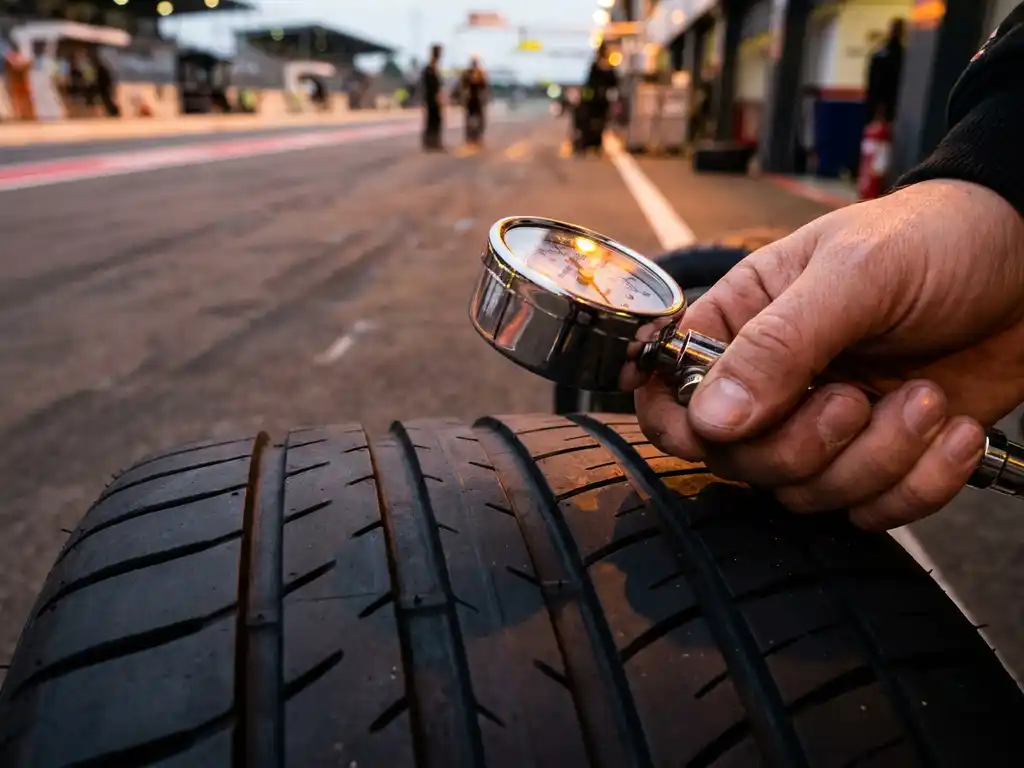
For performance driving, tire pressure should typically be 2-4 psi higher than street driving pressures when measured hot, usually ranging from 32-38 psi depending on your specific vehicle and tire specifications. The optimal pressure balances maximum contact patch with proper tire structure to deliver peak grip and handling response.
Getting tire pressure right transforms your car’s performance capabilities, affecting everything from cornering grip to braking distances. The difference between optimal and suboptimal pressure can mean seconds per lap on track and can significantly impact safety margins during spirited driving.
How does tire pressure affect performance driving?
Tire pressure directly controls the tire’s contact patch with the road surface, affecting grip levels, handling response, and tire wear patterns during performance driving. Proper pressure ensures the tire maintains its optimal shape under cornering loads and provides maximum feedback to the driver.
When pressure is too low, the tire sidewalls flex excessively during cornering, reducing steering precision and causing the tire to overheat. The contact patch becomes uneven, with more load on the outer edges, leading to poor grip and accelerated wear. Low pressure also increases rolling resistance, reducing acceleration and top speed performance.
Conversely, overinflated tires create a smaller contact patch concentrated in the center of the tread. This reduces overall grip levels and makes the car feel skittish and unpredictable, especially over surface irregularities. The tire becomes more susceptible to impact damage and provides harsh feedback through the steering wheel.
The sweet spot delivers maximum contact area while maintaining proper tire structure. This optimizes grip for acceleration, braking, and cornering while providing clear feedback about the car’s behavior at the limit. Professional racing teams spend considerable time finding this balance, often adjusting pressure in half-psi increments to fine-tune performance.
What’s the difference between cold and hot tire pressure?
Cold tire pressure is measured when tires are at ambient temperature, while hot tire pressure occurs after driving when heat from friction increases the air temperature inside the tire. Tire pressure typically increases 4-6 psi from cold to hot during normal driving conditions.
This pressure increase happens because air expands when heated according to basic physics principles. During performance driving, the effect becomes more pronounced due to higher speeds, harder cornering, and increased friction generating more heat. Track driving can see pressure increases of 8-12 psi or more from cold starting pressures.
Understanding this relationship is crucial for performance driving setup. If you set pressure when tires are hot, they’ll be significantly underinflated when cold, affecting handling from the moment you start driving. Conversely, setting pressure too high when cold can lead to overinflation once tires heat up during performance driving.
Most tire manufacturers and vehicle specifications provide cold pressure recommendations. For performance applications, many drivers add 2-4 psi to the manufacturer’s cold recommendation to account for the more aggressive driving style and higher heat generation. This ensures optimal pressure when the tires reach their operating temperature during spirited driving sessions.
Browse Products
Shock absorbers, springs, camber plates, air jacks and more. Explore the full range.
Custom Suspension
Every shock absorber built to your exact car, discipline and driving style. Nothing off the shelf.
Get in Touch
Have a question or a specific project? Our engineers are ready to help, no obligation.
Should you lower tire pressure for track days?
You should not lower tire pressure for track days compared to performance street driving; instead, maintain or slightly increase pressure to handle the extreme heat and loads generated during sustained high-performance driving. Track conditions create much higher tire temperatures than street driving, requiring higher starting pressures.
Track driving generates significantly more heat than street performance driving due to sustained high speeds, aggressive cornering, and repeated hard braking. This increased heat can raise tire pressure by 10-15 psi or more from cold starting pressure. Starting with lower pressure would result in dangerous underinflation once tires reach operating temperature.
The proper approach involves starting with cold pressures 4-6 psi higher than your normal performance driving setup. Monitor pressure throughout the track session, checking after each 15-20 minute session when tires are hot. Adjust as needed to maintain your target hot pressure, which varies by tire construction and compound but typically ranges from 35-42 psi for most performance tires.
Some racing applications do use lower pressures, but this applies to specialized racing tires designed for specific conditions. Street performance tires require higher pressures to maintain structural integrity under track loads. Always consult your tire manufacturer’s recommendations for track use, as exceeding temperature or pressure limits can lead to dangerous tire failure.
How do you find the optimal pressure for your car?
Start with your vehicle manufacturer’s recommended pressure, add 2-4 psi for performance driving, then fine-tune based on tire wear patterns, handling feedback, and temperature monitoring during driving sessions. The optimal pressure delivers even tire wear across the tread width and provides responsive handling without harshness.
Begin by consulting your owner’s manual or door jamb sticker for baseline pressure recommendations. These figures are designed for normal driving with safety margins, so performance applications typically require higher pressures. Add 2-4 psi to these baseline numbers as your starting point for performance driving experimentation.
Monitor tire wear patterns to dial in the perfect pressure. Wear on the outer edges indicates underinflation, while center wear suggests overinflation. Even wear across the entire tread width indicates optimal pressure for your driving style and conditions. Take photos of your tire wear patterns to track changes over time.
Use a quality tire pressure gauge and infrared thermometer to monitor both pressure and temperature during driving sessions. Check pressure when tires are hot after spirited driving to see how much it’s increased from your cold starting pressure. Adjust your cold starting pressure to achieve your target hot pressure range.
Pay attention to handling feedback as well. Optimal pressure provides crisp steering response without feeling harsh or disconnected. The car should feel planted and predictable at the limit, with clear communication about grip levels through the steering wheel and seat.
What tire pressure is too low for safety?
Tire pressure below 25 psi becomes dangerous for most passenger vehicles, while pressures under 20 psi create immediate safety risks including tire failure, loss of control, and inability to support the vehicle’s weight properly. Performance driving amplifies these risks significantly.
Severely underinflated tires generate excessive heat through increased sidewall flexing, leading to potential blowouts especially during high-speed driving. The tire cannot maintain its intended shape, causing unpredictable handling characteristics and dramatically reduced braking performance. Steering response becomes sluggish and imprecise, making emergency maneuvers difficult or impossible.
Modern vehicles include Tire Pressure Monitoring Systems (TPMS) that typically warn when pressure drops 25% below the recommended level. However, performance driving requires pressures well above these minimum thresholds. Even pressures that seem acceptable for normal driving can become dangerous during aggressive cornering or high-speed runs.
For performance applications, staying within 15% of your optimal pressure maintains safety margins. If your target hot pressure is 36 psi, don’t drive with pressures below 30 psi. Regular pressure checks before driving sessions are essential, as small leaks or temperature changes can quickly reduce pressure below safe levels.
Always carry a reliable pressure gauge and portable compressor for track days or performance driving events. Check pressure when tires are cold before each session, and monitor throughout the day as conditions change.
How Intrax Racing helps with performance tire setup
We understand that optimal tire pressure is just one component of a complete performance setup. At Intrax Racing, we help drivers achieve their performance goals through custom suspension solutions that work in harmony with proper tire pressure management for maximum effectiveness.
Our expertise includes:
- Custom shock absorber calculations based on your specific vehicle, tire setup, and driving style
- Suspension tuning that complements your tire pressure strategy for optimal contact patch management
- Track-focused setups that account for the relationship between suspension behavior and tire performance
- Comprehensive vehicle dynamics analysis considering tire pressure, suspension geometry, and weight distribution
Whether you’re preparing for track days or seeking improved street performance, our engineers calculate suspension settings that maximize your tire investment. Every custom shock absorber we build considers how suspension movement affects tire contact and pressure distribution during dynamic driving.
Ready to optimize your complete performance setup? Contact our team to discuss how custom suspension can enhance your tire performance strategy.
Browse Products
Shock absorbers, springs, camber plates, air jacks and more. Explore the full range.
Custom Suspension
Every shock absorber built to your exact car, discipline and driving style. Nothing off the shelf.
Get in Touch
Have a question or a specific project? Our engineers are ready to help, no obligation.