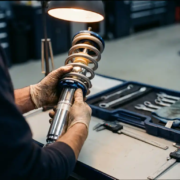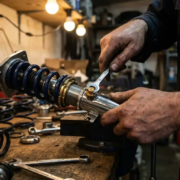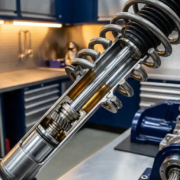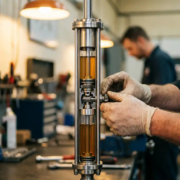
Automotive technician examining car suspension system with wheel removed in professional garage workshop

How do you work with a suspension specialist?

Working with a suspension specialist involves a collaborative process where you share your vehicle requirements and performance goals while they apply their engineering expertise to design custom solutions. A qualified suspension specialist will guide you through the consultation, design, and installation phases, ensuring your suspension system matches your specific driving needs. The key to success lies in clear communication about your vehicle, intended use, and performance expectations throughout the development process.

What does a suspension specialist actually do for your vehicle?

A suspension specialist designs and engineers custom suspension systems tailored specifically to your vehicle and driving requirements. Factory suspension is always a compromise, designed to work for all drivers, climates, and conditions, optimized for none. Unlike these mass produced suspension components, specialists create bespoke solutions that optimise performance, comfort, and handling characteristics for your exact specifications. Custom suspension can ensure that you adapt the car to the driver’s preference. They combine motorsport engineering knowledge with precision manufacturing to deliver suspension systems that transform your vehicle’s dynamics.

The expertise of a suspension specialist extends far beyond simply replacing standard components. They analyse your vehicle’s geometry, weight distribution, and intended use to engineer solutions that address specific performance goals. Whether you’re seeking improved track performance, enhanced comfort for daily driving, or specialised capabilities for rally or off road use, specialists apply their technical knowledge to create systems that deliver measurable improvements where factory engineering ends at “good enough.”

Professional suspension engineering involves a comprehensive understanding of damping characteristics, spring rates, and adjustment mechanisms working as a complete system. Springs and shock absorbers work as a system, changing one without matching the other limits results. Specialists work with advanced technologies including adjustable systems, electronic controls, and custom made components that provide precise tuning capabilities. This level of customisation ensures springs and dampers work in harmony to deliver optimal performance under your specific driving conditions and preferences.

How do you prepare for your first consultation with a suspension expert?

Preparation for your consultation begins with gathering comprehensive vehicle information and clearly defining your performance objectives. Document your vehicle’s specifications, current modifications, and any existing suspension issues you’ve experienced. Understanding your budget parameters and timeline expectations helps specialists recommend appropriate solutions that align with your requirements and investment level.

Compile essential documentation including your vehicle’s registration details, service history, and specifications of any existing modifications. Take photographs of your current suspension setup and note any specific handling characteristics you want to improve or maintain. Consider how you primarily use your vehicle, whether for daily commuting, weekend track days, competitive motorsport, or occasional spirited driving.

Prepare specific questions about the engineering process, expected performance improvements, and maintenance requirements. Think about your comfort preferences, as suspension tuning involves balancing performance gains with ride quality. Having clear goals helps specialists understand whether you prioritise maximum performance, comfort, or a specific balance between both characteristics.

What information should you share with your suspension specialist?

Share complete vehicle specifications including make, model, year, engine configuration, and any modifications that affect weight distribution or handling characteristics. Provide detailed information about your intended use, whether street driving, track use, rally competition, or mixed applications. This information directly influences suspension engineering decisions regarding spring rates, damping characteristics, and adjustment ranges.

Communicate your performance goals clearly, explaining which handling characteristics you want to improve or change. Describe any current suspension issues such as excessive body roll, harsh ride quality, or inadequate damping control. Share your experience level and driving style, as this affects how aggressively the suspension can be tuned while maintaining usability and safety.

Discuss your comfort preferences and any passenger or cargo considerations that influence suspension tuning. Explain seasonal usage patterns if you live in areas with varying road conditions. Include information about wheel and tyre specifications, as these components work in conjunction with suspension systems to determine overall handling characteristics and performance capabilities.

How does the custom suspension development process actually work?

The development process begins with a detailed consultation and vehicle assessment, followed by engineering design and specification development. Specialists create technical drawings and calculations specific to your vehicle and requirements, then manufacture components using precision engineering techniques. The process includes testing phases and adjustment opportunities to ensure optimal performance before final delivery and installation.

Initial consultation involves a comprehensive discussion of your requirements and a vehicle assessment to understand the current setup and its limitations. Engineers then develop custom specifications including spring rates, damping curves, and adjustment mechanisms tailored to your needs. Manufacturing typically takes several weeks, depending on the complexity and level of customisation required for your specific application.

Throughout development, specialists maintain communication about progress and may request additional information or clarification about specific requirements. Quality control testing ensures components meet engineering specifications before delivery. Installation can be performed by the specialist or qualified technicians, followed by initial setup and tuning to optimise performance for your driving style and conditions.

How Intrax Racing helps with suspension consultation

We provide comprehensive suspension consultation services that guide you through every aspect of custom suspension development. Our approach combines nearly 50 years of motorsport engineering expertise with personalised attention to your specific vehicle and performance requirements.

Our consultation process includes:

  • Detailed vehicle assessment and performance goal analysis
  • Custom engineering design using motorsport derived technology
  • Precision manufacturing of bespoke suspension components
  • Technical support throughout installation and tuning phases
  • Ongoing advice for optimisation and maintenance

Whether you’re developing a competition vehicle, enhancing a classic car, or optimising a performance street car, our team provides the technical expertise and custom engineering capabilities to achieve your suspension goals. Intrax delivers complete, matched custom setups where springs and dampers work together as an engineered system. Contact us to discuss your suspension requirements and discover how our bespoke engineering approach can transform your vehicle’s performance and handling characteristics.

Related Articles

Mechanic adjusting chrome shock absorber and coil spring with precision tools on workbench in garage lighting

How do you maintain performance suspension?

Performance suspension maintenance involves regular visual inspections, cleaning procedures, fluid checks, and component assessments to ensure optimal handling and longevity. Unlike standard suspension systems, performance suspension requires more frequent attention due to higher operating stresses and precision engineering. Factory suspensions are designed as a compromise to work for all drivers in all conditions, optimized for none, but performance systems eliminate these limitations through precision tuning. Proper maintenance prevents costly repairs, maintains safety, and preserves the enhanced driving dynamics you’ve invested in.

What does proper performance suspension maintenance actually involve?

Proper performance suspension maintenance encompasses visual inspections for leaks and damage, regular cleaning to prevent corrosion, fluid level monitoring, and systematic component assessments. It differs from basic car care by requiring more frequent checks and attention to performance specific elements such as adjustable settings and high stress mounting points.

The maintenance routine begins with thorough visual inspections of all suspension components. Check shock absorbers and springs for signs of oil leakage, physical damage, or unusual wear patterns. Examine mounting hardware for looseness, corrosion, or stress cracks that could compromise safety and performance. Since springs and shock absorbers work as a system, any issues with one component can affect the entire suspension’s performance, which is why changing one without matching the other limits results.

Cleaning procedures form a critical part of suspension care, particularly for vehicles exposed to road salt, mud, or track debris. Regular cleaning prevents corrosive buildup that can damage seals, threads, and adjustment mechanisms. Pay special attention to exposed shock bodies, spring perches, and adjustment collars.

Fluid checks apply to both hydraulic systems and any electronic components. Monitor power steering fluid levels if your suspension includes active elements, and ensure electrical connections remain clean and secure. Document any changes in fluid colour or consistency, as these indicate potential internal component wear.

How often should you inspect your performance suspension components?

Performance suspension components require inspection every 1,000 miles for track used vehicles, monthly for spirited road driving, and seasonally for regular performance car use. More frequent inspections catch problems early, preventing minor issues from becoming expensive failures that compromise safety and performance.

Daily checks apply to vehicles used in motorsport or aggressive driving conditions. Before each track session or spirited drive, perform a quick visual inspection focusing on obvious leaks, loose components, or damaged parts. This takes minutes but prevents potentially dangerous failures during high stress driving.

Monthly assessments suit most performance car owners who regularly enjoy their vehicles’ capabilities. During these inspections, check for subtle signs of wear such as minor oil seepage, slight looseness in mounting points, or changes in ride height. Document your findings to track component condition over time.

Seasonal evaluations provide comprehensive assessment opportunities, particularly before and after winter storage or track seasons. These detailed inspections should include removal of wheels for better access, measurement of ride heights, and assessment of the operation of adjustment mechanisms. Consider this timing for any necessary suspension servicing or component replacement.

What are the warning signs that your suspension needs immediate attention?

Warning signs requiring immediate attention include unusual noises during driving, sudden handling changes, visible fluid leaks, or any physical damage to suspension components. These symptoms indicate potential safety hazards that require prompt professional evaluation to prevent dangerous failures or further damage to your vehicle.

Unusual noises often signal developing problems before they become critical. Listen for knocking sounds over bumps, squeaking during compression, or grinding noises when turning. These sounds typically indicate worn bushings, damaged shock absorbers, or loose mounting hardware requiring immediate investigation.

Handling changes manifest as altered vehicle behaviour during normal driving. Watch for excessive body roll in corners, longer stopping distances, or the vehicle pulling to one side during braking. Any sudden change in how your car responds to steering inputs warrants immediate professional assessment.

Visible damage includes obvious signs such as oil coating shock absorber bodies, cracked springs, or bent suspension arms. Physical damage often results from impacts or component fatigue and typically requires immediate replacement to maintain vehicle safety. Never ignore visible damage, regardless of how minor it appears.

How do you properly clean and protect suspension components?

Proper cleaning involves using appropriate solvents for different materials, avoiding high pressure water on seals, and applying protective treatments after cleaning. Start with gentle degreasing, progress to targeted cleaning of specific components, and finish with appropriate protection to extend component life and maintain optimal performance.

Begin cleaning with the vehicle safely supported and wheels removed for complete access. Use mild degreasing agents on heavily soiled areas, avoiding harsh chemicals that might damage rubber seals or protective coatings. Work systematically from top to bottom, preventing contaminated runoff from reaching already cleaned components.

Shock absorber cleaning requires particular care around seal areas. Clean the visible shock body with appropriate solvents, but avoid directing high pressure water or aggressive chemicals toward the seal head. Wipe down adjustment mechanisms and ensure they operate smoothly after cleaning.

Spring cleaning focuses on removing accumulated debris and road salt that promote corrosion. Pay attention to spring seats and contact points where trapped moisture can cause premature wear. After cleaning, apply appropriate protective treatments designed for automotive suspension components to prevent future corrosion and maintain optimal function.

When should you seek professional suspension servicing versus DIY maintenance?

Seek professional servicing for internal component repairs, safety critical adjustments, and any work requiring specialized tools or knowledge. DIY maintenance suits routine cleaning, visual inspections, and basic adjustments clearly outlined in your suspension documentation. Safety considerations always take precedence over cost savings when maintaining performance suspension systems.

Professional servicing becomes essential when dealing with internal shock absorber problems, spring replacement, or any structural suspension modifications. These tasks require specialized tools, technical knowledge, and often safety equipment that most enthusiasts do not possess. Additionally, improper work on safety critical components can create dangerous driving conditions.

DIY maintenance appropriately covers routine tasks such as cleaning, visual inspections, and basic adjustments within manufacturer specifications. Most performance suspension systems include clear documentation about owner maintainable items versus professional service requirements. Respect these guidelines to maintain both safety and warranty coverage.

Automotive suspension systems, particularly custom built units, often include specific service requirements that demand professional attention. Complex adjustments, internal rebuilds, and calibration procedures typically exceed DIY capabilities and require professional expertise to maintain optimal performance and safety standards. Springs and shock absorbers work as a system, so changing one component without matching the other limits results.

How Intrax Racing helps with performance suspension maintenance

We provide comprehensive support for maintaining your custom suspension system throughout its service life. Our expertise ensures your investment continues to deliver optimal performance while maintaining safety and reliability. Intrax delivers complete, matched custom setups that eliminate the compromises inherent in factory suspension systems.

Our maintenance support includes:

  • Detailed maintenance schedules specific to your driving conditions and usage patterns
  • Technical guidance for proper inspection procedures and component care
  • Professional servicing capabilities for complex adjustments and internal repairs
  • Genuine replacement parts and upgrade options to enhance system longevity
  • Expert consultation on performance optimization and troubleshooting

Whether you need guidance on routine maintenance procedures or require professional servicing for your custom suspension system, our experienced team provides the expertise necessary to maintain peak performance. Contact us to discuss your specific maintenance requirements and ensure your suspension continues to deliver the precision and reliability you expect.

Related Articles

Lowered sports car with visible coilovers parked on asphalt, driver seated inside with open door in golden hour light.

Can you lower your car and still have a comfortable ride?

Yes, you can lower your car and maintain a comfortable ride with proper suspension engineering. However, factory suspensions are engineered as a compromise. Manufacturers design one setup to work for all drivers in all conditions worldwide, from comfort seekers to performance enthusiasts, optimized for none. This factory compromise means the standard suspension can never be perfect for your specific driving preferences or conditions. Modern custom suspension solutions eliminate these compromises by using advanced technologies like adjustable dampers, progressive spring rates, and electronic controls to preserve ride quality while achieving your desired lowered stance. The key lies in choosing professionally engineered systems rather than simple lowering springs.

What does lowering your car actually do to ride comfort?

Lowering your car reduces suspension travel, alters geometry angles, and typically requires stiffer springs to prevent bottoming out. This combination traditionally creates a firmer, less forgiving ride because shorter springs compress more quickly over bumps, and reduced travel means less cushioning for road imperfections. Additionally, when you lower a car, the shock absorber piston sits lower in the tube at rest, reducing available stroke for bump absorption, which is why lowering springs need to be matched with properly valved dampers to maintain ride quality.

The physics behind this involves several key changes. When you lower a vehicle, the suspension’s compression stroke becomes limited, forcing the system to work within a smaller range of motion. Additionally, lowering often changes camber and caster angles, which can affect how forces transfer through the suspension during cornering and braking.

Most importantly, traditional lowering methods rely on shorter, stiffer springs that maintain adequate load support with less material. These springs have higher rates, meaning they resist compression more forcefully. This increased resistance translates directly to a harsher ride quality, particularly over small bumps and road irregularities that the original suspension would absorb smoothly. Springs and shock absorbers work as a system. Changing springs alone without matching dampers limits the potential for both comfort and performance improvements.

How can you maintain comfort when lowering your car?

Modern suspension technologies preserve ride quality through adjustable damping, progressive spring rates, and custom valved shock absorbers that adapt to different driving conditions. These systems allow you to fine tune compression and rebound characteristics to balance a lowered stance with daily comfort requirements. For best results, lowering springs must be combined with properly matched shock absorbers to maintain ride quality, as the two components work together as an integrated system.

Adjustable dampers represent the most significant advancement in comfortable lowering. These systems let you modify how quickly the suspension compresses and rebounds, allowing softer settings for daily driving and firmer settings when performance is needed. Electronic damping control takes this further by automatically adjusting based on road conditions and driving style.

Progressive spring rates offer another solution by providing different stiffness levels throughout their compression range. These custom suspension solutions feel softer over small bumps but become progressively stiffer as compression increases, preventing harsh bottoming while maintaining comfort during normal driving.

Professional suspension tuning also considers the entire system. Springs and dampers must work in harmony for optimal results. Custom valved shock absorbers work specifically with chosen spring rates to control wheel movement precisely, ensuring the lowered vehicle responds predictably without sacrificing ride quality. This system approach delivers complete, matched setups rather than piecemeal modifications.

What’s the difference between basic lowering springs and professional suspension systems?

Basic lowering springs simply reduce ride height with higher spring rates, while professional suspension systems engineer the entire setup for optimal performance and comfort. Professional systems include matched dampers, proper geometry correction, and custom tuning for specific vehicle applications. The standard factory suspension is always a compromise designed to work adequately for all users, but basic lowering springs compound this compromise by working against the existing dampers.

Simple lowering springs often create problems because they’re designed as universal solutions. They typically use linear spring rates that feel harsh over small bumps, and they’re rarely matched with appropriate dampers. This mismatch leads to poor damping control, where the springs and shocks work against each other rather than together. A suspension system is only as good as the weakest link between its components. Changing springs without matching dampers limits the potential improvements in both handling and ride quality.

Professional suspension systems address these issues through comprehensive engineering. They include geometry correction components like adjustable camber plates, ensuring suspension angles remain optimal after lowering. The dampers are specifically valved to work with the chosen springs, creating a harmonious system that maintains control without harshness.

Quality differences extend to materials and manufacturing precision. Professional systems use high grade materials with consistent manufacturing tolerances, ensuring reliable performance and longevity. They also include adjustable suspension systems that allow fine tuning for different driving conditions and personal preferences.

Which suspension technologies offer the best comfort in lowered cars?

Electronic damping control, air suspension systems, and custom valved adjustable dampers provide the best comfort in lowered vehicles. These technologies automatically or manually adjust damping characteristics to match road conditions while maintaining the desired lowered appearance. Unlike the factory compromise that tries to satisfy everyone, these systems can be tailored to your specific driving preferences and conditions.

Electronic damping systems represent the pinnacle of comfort technology. These systems use sensors to monitor road conditions, vehicle speed, and driving style, then adjust damping forces in real time. They can provide luxury car comfort during cruising and sports car control during spirited driving, all while maintaining a lowered stance.

Air suspension offers ultimate versatility by allowing ride height adjustment alongside damping control. These systems can raise the vehicle for car parks or speed bumps, then lower it for performance driving or aesthetics. Modern air systems provide excellent ride quality because they can use softer spring rates while maintaining load capacity through air pressure adjustment.

Custom valved shock absorbers with multiple adjustment ranges offer professional level tuning capability. These systems allow separate adjustment of compression and rebound damping, and sometimes even separate control of high and low speed circuits. This level of control enables precise tuning for any combination of comfort and performance requirements.

How Intrax Racing helps with comfortable lowered suspension

We specialise in creating custom suspension solutions that achieve your desired lowered stance without compromising ride comfort. Where factory engineering ends at “good enough for everyone,” our motorsport derived engineering expertise allows us to design systems that balance performance and comfort perfectly for your specific vehicle and driving requirements. Custom suspension kan ervoor zorgen dat je de auto aanpast naar de voorkeur van de bestuurder, eliminating the factory compromise.

Our approach includes:

  • Custom valved dampers matched precisely to your spring rates and vehicle weight
  • Progressive spring rate options that provide comfort over small bumps
  • Adjustable damping systems for fine tuning comfort and performance
  • Geometry correction components to maintain proper suspension angles
  • Comprehensive setup guidance for optimal comfort and handling balance

With nearly 50 years of suspension expertise, we understand that lowering your car shouldn’t mean sacrificing daily comfort. Intrax delivers complete, matched custom setups that work as integrated systems rather than individual components fighting each other. Contact us to discuss how we can create a custom suspension solution that delivers both the stance you want and the comfort you need for daily driving.

Related Articles

Sports car with lowered suspension and aggressive stance in modern garage with dramatic lighting and polished concrete floor

Do coilovers make your car faster?

Coilovers can make your car faster by improving handling, reducing lap times, and optimising vehicle dynamics through adjustable suspension settings. They don’t add horsepower but help you use your car’s existing performance more effectively. The speed gains come from better cornering, reduced body roll, and the ability to fine tune your suspension for specific driving conditions and track requirements.

What are coilovers and how do they actually work?

Coilovers are integrated suspension units that combine a shock absorber and coil spring into a single adjustable assembly. Unlike traditional setups where springs and dampers are separate components, coilovers feature the spring wound directly around the shock absorber body, creating a compact and highly tuneable system where both components work in perfect harmony.

The engineering behind coilovers centres on their adjustability. Most systems allow you to modify ride height through threaded adjustment rings, while premium units offer damping adjustments for compression and rebound. This means you can alter how quickly the suspension compresses when hitting a bump and how fast it returns to its normal position.

The integrated design provides several mechanical advantages over conventional suspension. The coilover’s unified construction eliminates the need for separate mounting points, reducing unsprung weight and improving response. The threaded collar system allows precise height adjustments without compromising suspension geometry, maintaining proper wheel alignment throughout the adjustment range.

Advanced coilover systems incorporate multiple adjustment mechanisms. You’ll find separate controls for low speed and high speed damping, allowing you to fine tune how the suspension behaves during different driving scenarios. Some units feature remote reservoirs that provide additional oil capacity for consistent performance during extended track sessions.

Do coilovers make your car handle better on the track?

Coilovers significantly improve track handling by reducing body roll, enhancing cornering precision, and providing adjustable damping that can be tuned for specific circuit conditions. The ability to lower your car’s centre of gravity while maintaining proper suspension geometry translates directly into faster cornering speeds and improved lap times.

The adjustability factor becomes crucial on track. Different circuits require different suspension setups – a smooth track benefits from firmer damping and lower ride height, while bumpy surfaces need softer settings to maintain tyre contact. Quality coilovers allow you to make these adjustments between sessions, optimising your car for each track’s unique characteristics.

Body roll reduction is perhaps the most noticeable improvement. Factory suspensions are engineered as a compromise – manufacturers design one setup to work for all drivers in all conditions worldwide, optimised for none. Traditional suspension often allows excessive body movement during hard cornering, which reduces the tyre contact patch and delays driver feedback. Coilovers provide the stiffness needed to keep your car flat through corners, maintaining maximum grip and giving you the confidence to push harder.

The improved feedback through the steering wheel and chassis helps you understand exactly what your car is doing at the limit. This enhanced communication between car and driver allows for more precise inputs and better lap time consistency. You’ll find you can brake later, carry more speed through corners, and apply power earlier on corner exit.

What’s the difference between coilovers and regular shocks for performance?

The primary difference lies in adjustability and integration. Regular shock absorbers typically offer fixed damping rates and rely on separate springs, while coilovers provide extensive adjustment capabilities within a unified design. This adjustability allows you to adapt your suspension to different driving conditions, something impossible with standard shocks.

Performance characteristics vary significantly between the two systems. Standard shocks are designed for comfort and longevity, often featuring soft damping that prioritises ride quality over handling precision. This represents the typical factory compromise – balancing competing demands limits performance in any single area. Coilovers focus on performance, offering firmer damping rates and the ability to fine tune these settings for optimal vehicle dynamics.

The mounting differences also affect performance. Regular shocks often mount separately from springs, which can introduce flex and reduce precision. Coilovers’ integrated design eliminates this issue, providing a direct connection between spring and damper that improves response and reduces unwanted movement. This system thinking approach ensures that springs and shock absorbers work as a perfectly matched system, whereas changing one component without matching the other limits results.

Motorsport applications favour coilover technology because of the testing and development advantages. Teams can quickly adjust ride height, damping, and even spring rates between practice sessions. This rapid adjustment capability allows for real time optimisation that’s simply not possible with conventional shock absorber setups.

The rebuild and maintenance aspects also differ considerably. Quality coilovers are designed for regular servicing and adjustment, with easily accessible components and clear adjustment mechanisms. This serviceability ensures consistent performance over time, particularly important for track use where suspension components face extreme loads.

How do adjustable coilovers help optimise your car’s speed potential?

Adjustable coilovers optimise speed potential through precise suspension tuning that maximises tyre contact, improves aerodynamic efficiency, and allows setup changes for different tracks and conditions. The ability to adjust ride height, damping, and spring preload means you can extract every bit of performance from your car’s existing power and grip levels.

Height adjustment directly impacts aerodynamics and handling balance. Lowering your car reduces air resistance and lowers the centre of gravity, both contributing to higher speeds. However, the ability to raise the car for bumpy tracks or street driving ensures you’re not compromising practicality for performance.

Damping control allows you to optimise how your car responds to track surface changes and driving inputs. Stiffer damping reduces body movement and maintains tyre contact on smooth surfaces, while softer settings help the suspension follow bumpy track surfaces. This adaptability means you can maintain maximum grip regardless of track conditions.

Spring rate customisation through preload adjustment affects how your car handles weight transfer during acceleration, braking, and cornering. Proper setup reduces lap times by improving traction during these critical phases. You can dial in understeer or oversteer characteristics to match your driving style and track requirements.

The cumulative effect of these adjustments often results in lap time improvements of several seconds on a typical track. More importantly, the consistency these adjustments provide means you can focus on driving rather than fighting unpredictable handling characteristics.

How Intrax Racing helps with coilover performance optimisation

We specialise in creating custom suspension solutions that maximise your car’s speed potential through precision engineered coilover systems. Where factory engineering ends at “good enough,” our custom suspension begins. Factory suspension is always a compromise, designed to work for all drivers, climates, and conditions, optimised for none. Custom suspension kan ervoor zorgen dat je de auto aanpast naar de voorkeur van de bestuurder. Our motorsport technology and nearly five decades of suspension expertise ensure you get exactly the right setup for your specific vehicle and performance goals.

Our approach to coilover optimisation includes:

  • Custom valving designed specifically for your car’s weight, intended use, and performance requirements
  • Adjustable damping systems that allow real time tuning for different track conditions
  • Precision manufactured components that maintain consistency under extreme loads
  • Technical support to help you understand and optimise your suspension settings
  • Rebuild and maintenance services to keep your coilovers performing at their peak

Whether you’re building a dedicated track car or upgrading your street car for occasional track use, we can design a coilover system that delivers the adjustability and performance you need. Intrax delivers complete, matched custom setups where springs and shock absorbers work as a system. Get in touch to discuss how custom coilovers can help you achieve your performance goals and make your car genuinely faster on track.

Related Articles

BMW sedan cornering on mountain road with visible suspension components in cutaway wheel well during golden hour

How to reduce body roll in your BMW?

Body roll reduction in your BMW involves upgrading suspension components that control lateral weight transfer during cornering. The most effective solutions include anti-roll bars, performance springs, adjustable dampers, and complete coilover systems. Each approach offers different benefits for BMW handling improvement and cornering stability, with custom solutions providing the ultimate in precision tuning.

What causes body roll in BMW vehicles and why should you care?

Body roll occurs when your BMW’s weight shifts laterally during cornering, causing the vehicle to lean towards the outside of the turn. This happens because of the physics of weight transfer as you corner, centrifugal forces push the car’s mass outward, compressing the outside suspension while extending the inside suspension.

BMW’s factory suspension geometry is designed to balance comfort and performance, but even well engineered systems exhibit body roll BMW characteristics during aggressive cornering. Factory suspensions are always a compromise engineered to work for all drivers, all climates, and all conditions, which means they’re optimized for none. This broad approach limits optimization for any single driving preference. The relationship between suspension components, spring rates, and damping affects how much lateral force transfers through the chassis during directional changes.

Excessive body roll impacts your driving experience in several ways. It reduces tyre contact patch consistency, leading to decreased grip and longer stopping distances. The delayed response between steering input and vehicle reaction creates an unsettling driving feel, particularly during emergency manoeuvres. Additionally, passengers experience uncomfortable lateral forces that can cause motion sickness during spirited driving.

Understanding these dynamics helps you appreciate why suspension terminology and component selection matter for your BMW’s performance characteristics.

What are the most effective ways to reduce body roll in your BMW?

Anti-roll bars offer the most cost effective body roll reduction, typically providing a 30–50% improvement in cornering stability. Performance springs lower the centre of gravity while increasing spring rates, and adjustable dampers allow fine tuning of compression and rebound characteristics to match your driving style.

Complete coilover systems represent the most comprehensive approach to BMW suspension upgrade requirements. These systems integrate springs and dampers into a single unit, allowing precise height adjustment and damping control. The effectiveness varies based on your current suspension condition and intended use.

Here’s how different approaches compare in terms of effectiveness:

  • Anti-roll bars: Moderate cost, significant improvement in body roll control
  • Performance springs: Lower cost, improved handling with some ride quality trade off
  • Adjustable dampers: Higher cost, excellent tunability for various driving conditions
  • Complete coilover systems: Highest cost, maximum adjustability and performance potential

The choice depends on your budget, performance goals, and willingness to compromise daily comfort for enhanced cornering capability. Springs and shock absorbers work as a system changing one component without matching the other limits your results. For optimal performance, both components must work in harmony as the suspension system is only as good as the weakest link between its components.

How do anti-roll bars improve BMW handling and cornering?

Anti-roll bars connect the left and right sides of your BMW’s suspension, creating resistance to differential wheel movement during cornering. When one side of the car compresses more than the other, the bar twists and applies force to keep both sides more level, directly addressing reduce body roll requirements.

BMW suspension geometry benefits particularly from properly sized anti-roll bars because they help maintain optimal camber angles during cornering. This keeps more tyre surface in contact with the road, improving grip and steering response. The bars work by transferring some of the load from the heavily compressed outside wheel to the inside wheel.

Front versus rear bar upgrades create different handling characteristics. Larger front bars reduce body roll but can increase understeer, while larger rear bars can induce oversteer characteristics, which experienced drivers often prefer for more engaging handling.

Adjustable anti-roll bars offer the ultimate flexibility, allowing you to fine tune the balance between front and rear grip levels. This adjustability lets you optimise BMW cornering stability for different driving conditions, from daily commuting to track use.

Should you choose lowering springs or coilovers for your BMW?

Lowering springs offer a cost effective entry point into suspension modification, typically reducing body roll by 20–30% while maintaining your existing dampers. However, lowering springs alone cannot improve both handling and comfort they improve cornering but reduce shock absorber stroke, which can hurt ride quality. Coilovers provide superior adjustability and performance potential, with properly matched springs and dampers designed to work together for optimal results.

Performance springs work with your BMW’s original dampers, making installation simpler and less expensive. However, this approach represents a compromise since the original dampers may not be optimally tuned to the new spring rates. This can affect both ride quality and component longevity, with improvement in handling being limited by the existing damper characteristics. Springs and dampers must be matched together for the best performance.

Coilover systems integrate springs and dampers designed to work together as a complete system, providing better overall performance. The adjustability allows you to find the perfect balance between comfort and performance for your specific BMW model and driving preferences.

Consider these factors when choosing:

  • Budget constraints: Springs cost significantly less than complete coilover systems
  • Performance goals: Coilovers offer superior tuning potential for serious enthusiasts
  • Installation complexity: Springs require less modification and labour time
  • Long term flexibility: Coilovers allow adjustment as your preferences evolve

The choice ultimately depends on whether you prioritise initial cost savings or maximum performance potential for your BMW suspension tuning project.

When should you consider custom suspension solutions for your BMW?

Custom suspension becomes necessary when off the shelf solutions cannot meet your specific requirements. This includes unique BMW models, extreme performance applications, or situations where you need suspension characteristics that standard products cannot deliver. Since factory suspension is always a compromise designed for all drivers and conditions, custom suspension can ensure that you adapt the car to the driver’s preference. Motorsport applications almost always require bespoke engineering for optimal results.

Scenarios requiring custom solutions include track dedicated vehicles, cars with significant weight modifications, or BMWs used in competitive motorsport. Standard suspension products are designed for broad compatibility, which may not address your specific vehicle’s unique requirements or your particular driving style.

Custom suspension BMW solutions allow engineers to account for your exact vehicle specifications, intended use, and performance goals. This includes considerations such as tyre sizes, weight distribution, aerodynamic modifications, and the specific demands of your preferred driving venues.

The benefits of bespoke engineering include optimised spring rates for your vehicle’s weight and balance, damper valving tuned for your specific requirements, and geometry considerations that maximise your BMW’s inherent strengths while addressing any weaknesses.

How Intrax Racing helps with BMW suspension solutions

We specialise in creating precision engineered suspension solutions tailored specifically to BMW applications and individual driving requirements. Our motorsport derived expertise allows us to address body roll issues with custom engineered systems that optimise both performance and reliability. Where factory engineering ends at “good enough for everyone,” our custom suspension solutions eliminate these compromises through complete, matched setups tailored to your individual requirements.

Our BMW suspension solutions include:

  • Custom shock absorbers engineered to your exact vehicle specifications and performance requirements
  • Bespoke spring and damper combinations that eliminate body roll while maintaining ride quality
  • Advanced adjustability options including electronic control systems for ultimate versatility
  • Complete suspension systems designed for your specific BMW model and intended use

Whether you need solutions for daily driving, track use, or competitive motorsport, our engineering team can develop suspension systems that transform your BMW’s handling characteristics. Intrax delivers complete, matched custom setups that work as integrated systems rather than individual components. Get in touch to discuss how we can create the perfect suspension solution for your specific requirements and driving goals.

Related Articles

Mechanic's hands using wrench to install silver coilover suspension component on lifted car in garage workshop

Can you install coilovers yourself or do you need a mechanic?

Yes, you can install coilovers yourself if you have the right tools, workspace, and mechanical experience. DIY coilover installation requires basic suspension knowledge, proper equipment, and strong safety awareness. Most enthusiasts with moderate mechanical skills can complete the installation in 4 to 6 hours. However, professional installation ensures correct setup, warranty coverage, and post installation alignment for optimal performance and safety.

What tools and skills do you actually need to install coilovers yourself?

DIY coilover installation requires a comprehensive tool set, adequate workspace, and intermediate mechanical skills. You’ll need jack stands, spring compressors, and torque wrenches to complete the job safely. The project typically takes 4 to 6 hours of focused work and requires an understanding of suspension terminology and safety procedures.

Essential tools include:

  • Floor jack and four jack stands rated for your vehicle’s weight
  • Spring compressors (coil spring type)
  • Socket set with extensions and universal joints
  • Torque wrench for correct bolt torque
  • Penetrating oil for seized bolts
  • Safety glasses and work gloves

Your workspace needs level, solid ground with adequate lighting. Avoid gravel or sloped surfaces that could compromise jack stand stability. Allow extra time for seized bolts, which are common on older vehicles or those exposed to road salt.

Mechanical skill requirements include understanding suspension geometry, correct torque specifications, and safety protocols. You should be comfortable working under a raised vehicle and have experience with basic automotive repairs. If you’ve never worked on suspension components, consider starting with simpler modifications before attempting coilover installation.

How much does professional coilover installation cost compared to DIY?

Professional coilover installation typically ranges from £200 to 500, depending on vehicle complexity and location. DIY installation costs nothing in labour but may require a tool investment of £100 to 300 if you don’t already own the necessary equipment. You should also factor in potential mistakes that could damage components or require professional correction.

Professional installation includes correct setup, proper torque, and often basic alignment checks. Many shops provide warranties on their installation work, protecting you from potential issues. The labour cost reflects their expertise in handling various vehicle types and troubleshooting unexpected complications.

DIY savings become more significant if you already own the required tools or plan multiple suspension projects. However, consider the time investment and the potential for mistakes that could end up costing more than professional installation. Improper installation might void coilover warranties or create safety hazards that require expensive corrections.

Hidden costs to consider:

  • Wheel alignment after installation (£50 to 100)
  • Replacement hardware if bolts break during removal
  • Additional tools for unexpected complications
  • Professional correction if mistakes occur

What are the biggest risks of installing coilovers without professional help?

The primary risks include incorrect torque, improper spring preload, and safety hazards from inadequate jack stand use. Mistakes can compromise vehicle handling, cause premature component failure, or create dangerous driving conditions. Warranty claims may be denied if manufacturer installation guidelines aren’t followed precisely.

Safety risks extend beyond the installation process. Incorrectly installed coilovers can cause wheel separation, suspension failure, or unpredictable handling characteristics. These failures often occur while driving rather than immediately, making proper installation critical for ongoing safety. Remember that springs and shock absorbers work as a system changing one without matching the other limits results, and improper installation can disrupt this critical balance.

Component damage frequently results from inexperience with suspension systems. Over tightening bolts can strip threads or crack mounting points. Using incorrect spring compressor techniques might damage springs or cause dangerous spring release during installation.

Common installation mistakes include:

  • Incorrect damper orientation or mounting
  • Improper spring preload adjustment
  • Missing or incorrectly installed bushings
  • Failure to properly secure all mounting points
  • Inadequate cleaning of mounting surfaces

Warranty implications can be significant if manufacturers determine that improper installation caused component failure. Professional installation often provides additional warranty coverage and documentation proving that correct procedures were followed.

When should you definitely choose a mechanic over DIY coilover installation?

Professional installation becomes essential for vehicles with electronic damping systems, complex multi link suspensions, or when you lack proper tools and workspace. Choose professional help if your vehicle requires special procedures, has severely seized components, or if warranty coverage depends on certified installation.

Electronic suspension systems require diagnostic equipment and programming knowledge beyond typical DIY capabilities. These systems often need calibration after installation to function correctly. Attempting DIY installation on electronic systems risks expensive component damage and system malfunctions.

Complex suspension geometries, particularly on modern performance cars, benefit from professional expertise. These vehicles often have specific installation sequences, special tools, or alignment requirements that inexperienced installers might overlook. Professional mechanics understand these nuances and have access to manufacturer specific procedures.

Situations requiring professional installation:

  • Electronic or adaptive damping systems
  • Severely corroded or seized suspension components
  • Limited workspace or inadequate tools
  • Lack of mechanical experience with suspension work
  • Warranty requirements specifying professional installation
  • Time constraints on vehicle availability

Consider your comfort level with the project scope and potential complications. If you’re uncertain about any aspect of the installation, professional help ensures proper completion and maintains safety standards.

How Intrax Racing helps with coilover installation guidance

We provide comprehensive installation support for our custom made suspension systems, ensuring optimal performance and safety. Our technical expertise helps customers make informed decisions about DIY versus professional installation based on their specific vehicle and skill level.

Our installation support includes:

  • Detailed installation instructions tailored to your specific suspension setup
  • Technical guidance on correct setup procedures and torque specifications
  • Recommendations for qualified installation partners in your area
  • Post installation support for adjustment and optimisation
  • Warranty protection with proper installation documentation

Whether you choose DIY or professional installation, our team ensures you understand the requirements and procedures for your specific suspension system. Intrax delivers complete, matched custom setups where springs and shock absorbers work as a system to optimize performance for your specific driving preferences. Contact us to discuss your installation needs and receive expert guidance tailored to your vehicle and experience level.

Related Articles

Mountain bike shock absorber with chrome piston rod and black aluminum body, oil droplets visible on machined surface

What is rebound and compression damping?

Rebound and compression damping are the two fundamental forces that control how your shock absorbers manage wheel movement. Rebound damping controls how quickly your suspension extends after compression, while compression damping manages how the suspension responds to initial impacts. Together, these damping forces determine your vehicle’s handling characteristics, comfort levels, and overall suspension performance across different driving scenarios.

What exactly are rebound and compression damping in suspension systems?

Rebound damping controls the speed at which your shock absorber extends after being compressed, preventing the wheel from bouncing uncontrollably. Compression damping manages how the shock absorber responds when the wheel encounters a bump or load transfer, controlling the initial compression stroke. Both work together as an integrated system to maintain optimal tyre contact and vehicle stability.

Think of your suspension system as having two distinct phases of movement. When your wheel hits a bump, the suspension compresses first – this is where compression damping takes control. The shock absorber’s compression damping circuit regulates how quickly the piston moves through the oil, managing force absorption.

After compression comes extension, where rebound damping becomes critical. Without proper rebound control, your suspension would extend too quickly, causing the wheel to lose contact with the road surface. This creates the familiar bouncing sensation you might experience with worn shock absorbers.

Modern shock absorber damping systems use precisely calibrated valving to control oil flow during both compression and rebound strokes. The damping characteristics can be adjusted through different valve configurations, allowing suspension engineers to tune the response for specific vehicle applications and driving requirements. However, springs and shock absorbers work as a system – changing one component without properly matching the other limits the overall performance results. The interaction between spring rates and damping determines how the car actually feels on the road, which is why Intrax delivers complete, matched custom setups rather than individual components.

How does rebound damping affect your vehicle’s handling and comfort?

Rebound damping directly influences vehicle stability by controlling how quickly your suspension returns to its neutral position after compression. Proper rebound settings maintain consistent tyre contact with the road surface, ensuring predictable handling and optimal grip. Incorrect rebound damping creates either excessive bouncing or a sluggish suspension response.

When rebound damping is too soft, your vehicle will exhibit a bouncy, unstable feeling. The suspension extends too quickly after hitting bumps, causing the wheel to momentarily lose road contact. This results in reduced traction, unpredictable handling, and an uncomfortable floating sensation, particularly noticeable during cornering or over undulating road surfaces.

Conversely, excessive rebound damping creates a harsh, unforgiving ride quality. The suspension cannot extend properly between successive impacts, causing the system to “pack down” over rough surfaces. This leads to reduced wheel travel, harsh impact transmission to the chassis, and compromised handling as the suspension loses its ability to follow road contours effectively.

Optimal rebound damping maintains the delicate balance between control and comfort. The suspension extends at a controlled rate, allowing the wheel to maintain contact while absorbing subsequent impacts efficiently. This provides confident handling, consistent braking performance, and comfortable ride quality across varying road conditions.

What happens when compression damping is set incorrectly?

Incorrect compression damping affects your vehicle’s initial impact absorption and body control during acceleration, braking, and cornering. Too little compression damping allows excessive body roll, dive, and squat, while too much creates a harsh ride and poor bump absorption. Both extremes significantly compromise driving dynamics and passenger comfort.

Insufficient compression damping manifests as poor body control during dynamic driving situations. Your vehicle will experience excessive nose dive under braking, significant squat during acceleration, and pronounced body roll through corners. The suspension compresses too easily under load transfer, creating an unstable, wallowing sensation that reduces driver confidence and control.

Excessive compression damping creates the opposite problem – a rigid, unforgiving suspension response. The shock absorbers resist compression too strongly, transmitting harsh impacts directly through the chassis. This results in reduced traction over bumps, as the wheel cannot follow surface irregularities effectively, and creates an uncomfortable, jarring ride quality.

The relationship between compression damping and vehicle dynamics extends beyond comfort. Proper compression control ensures optimal weight distribution during cornering, maintains consistent contact patch pressure, and allows the suspension to absorb impacts while supporting the vehicle’s mass effectively. This balance is particularly crucial for performance applications where precise handling characteristics are essential.

How do you know if your damping settings need adjustment?

Signs of incorrect damping settings include excessive bouncing after hitting bumps, harsh ride quality, poor body control during cornering or braking, and uneven tyre wear patterns. Visual inspection may reveal oil leakage, while driving feel indicators include floating sensations, harsh impact transmission, or unpredictable handling characteristics that suggest damping adjustment is required.

Physical symptoms provide the clearest indication of damping issues. Perform the traditional bounce test by pushing down firmly on each corner of your vehicle. The suspension should return to its normal position with minimal additional movement. Excessive bouncing indicates insufficient rebound damping, while resistance to initial movement suggests compression damping problems.

Driving characteristics offer valuable diagnostic information about damping performance. Poor rebound control creates a floating, unstable feeling over undulating surfaces, while inadequate compression damping results in excessive body movement during acceleration, braking, and cornering. Harsh impact transmission typically indicates overdamped compression settings.

Tyre wear patterns can reveal damping related issues. Uneven wear across the tyre contact patch may indicate inconsistent road contact due to poor damping control. However, multiple factors influence tyre wear, so this should be considered alongside other symptoms rather than as a standalone diagnostic tool.

How Intrax Racing helps with suspension damping optimisation

We specialise in creating custom suspension solutions with precisely calibrated rebound and compression damping characteristics tailored to your specific vehicle and driving requirements. Our motorsport derived expertise ensures optimal damping balance for enhanced performance, comfort, and handling across all applications.

Factory suspension is always a compromise, designed to work for all drivers, climates, and conditions worldwide, but optimized for none. This broad approach makes optimization for specific requirements impossible. Custom suspension kan ervoor zorgen dat je de auto aanpast naar de voorkeur van de bestuurder. Intrax eliminates these compromises through complete suspension systems where springs and shock absorbers are matched and tuned together for your individual needs.

Our comprehensive damping optimisation services include:

  • Custom valving design – engineered specifically for your vehicle’s weight, intended use, and performance requirements
  • Adjustable damping systems – allowing fine tuning of both rebound and compression settings for different driving conditions
  • Professional consultation – expert guidance on optimal damping characteristics based on your specific needs and driving style
  • Complete system integration – ensuring damping characteristics work harmoniously with spring rates and other suspension components

Whether you’re seeking improved track performance, enhanced comfort for daily driving, or specialised damping for classic car restoration, our engineering team can develop the perfect solution. Contact us to discuss your specific damping requirements and discover how properly calibrated suspension can transform your driving experience.

Related Articles

Worn coilover suspension unit and new factory strut assembly on mechanic's workbench with precision tools nearby

Do coilovers wear out faster than stock suspension?

Coilovers do not necessarily wear out faster than stock suspension when properly manufactured and maintained. High quality coilovers can last as long as or longer than factory suspension, typically 60,000–100,000 miles. However, cheaper aftermarket options or aggressive driving can reduce lifespan. The key factors are build quality, usage patterns, and regular maintenance.

What are coilovers and how do they differ from stock suspension?

Coilovers combine a shock absorber and spring into one integrated unit, with the spring coiled around the damper. Unlike stock suspension systems that often separate these components, coilovers offer height adjustability and typically feature more sophisticated damping technology.

Factory suspension is always a compromise, designed to work for all drivers, climates, and conditions, but optimized for none. Manufacturers design one setup to work for all drivers worldwide: comfort seekers and performance enthusiasts, heavy loads and empty cars, hot and cold climates. This universal approach means they’re optimized for no one in particular. Custom suspension can ensure that you adapt the car to the driver’s preference. The springs and dampers work together but remain separate components.

Coilovers provide several advantages over stock systems. The integrated design allows for precise height adjustment, improved weight distribution, and often superior damping control. Many coilovers feature adjustable compression and rebound settings, enabling fine tuning for specific driving conditions or preferences.

The construction differences extend to materials and manufacturing processes. Quality coilovers often use premium features such as monotube designs, high grade steel, and advanced sealing systems. These components can actually prove more durable than mass produced factory alternatives.

Do coilovers actually wear out faster than stock suspension systems?

Quality coilovers do not inherently wear faster than stock suspension. Coilover durability depends primarily on build quality, not the coilover design itself. Well engineered coilovers can match or exceed stock suspension lifespan when properly maintained.

Several factors influence this comparison. Cheaper aftermarket coilovers may use lower grade materials or less precise manufacturing, leading to premature wear. However, premium coilovers often feature superior components such as monotube construction, better sealing systems, and higher quality oils that can outlast factory suspension.

Usage patterns significantly impact suspension wear. Coilovers are frequently installed by enthusiasts who drive more aggressively or participate in motorsport activities. This intensive use naturally accelerates wear regardless of the suspension type. The same aggressive driving would wear out stock suspension even faster.

Installation quality also affects longevity. Improperly installed coilovers may experience premature failure, whilst professional installation ensures optimal performance and lifespan. Factory suspension benefits from precise manufacturing tolerances and professional assembly.

What factors determine how long coilovers last compared to factory suspension?

Aftermarket suspension lifespan depends on component quality, driving conditions, maintenance frequency, and installation precision. These variables have more impact on durability than whether the suspension is stock or aftermarket.

Component quality represents the most crucial factor. Premium coilovers use superior materials such as high grade steel, advanced sealing technology, and precision manufactured internals. These components often exceed factory specifications and can provide longer service life than mass produced alternatives.

Driving conditions dramatically affect wear rates. Track use, aggressive cornering, and frequent height adjustments accelerate component wear. Conversely, gentle street driving preserves both coilovers and stock suspension. Road surface quality, climate conditions, and driving frequency all contribute to overall wear patterns.

Maintenance schedules play a vital role in performance suspension longevity. Regular inspection, cleaning, and servicing extend component life significantly. Many coilovers feature serviceable designs that allow rebuilding, potentially extending their useful life beyond original factory suspension.

Installation quality affects initial performance and long term durability. Proper alignment, correct torque specifications, and appropriate adjustment settings ensure optimal operation. Poor installation can cause premature wear, binding, or component failure regardless of suspension quality.

How can you extend the lifespan of coilovers to match or exceed stock suspension?

Coilover maintenance involves regular cleaning, proper adjustment techniques, and periodic inspection to maximize component lifespan. These practices can help quality coilovers exceed stock suspension durability.

Regular cleaning prevents dirt and debris accumulation that causes premature wear. Clean the external components monthly, paying special attention to adjustment threads and mounting points. Use appropriate cleaning products that will not damage seals or finishes.

Proper adjustment techniques preserve internal components. Avoid excessive force when making height or damping changes. Make adjustments gradually and ensure threads remain clean and lubricated. Document settings to avoid unnecessary adjustments that increase wear.

Periodic inspection helps identify potential issues before they cause failure. Check for oil leaks, damaged seals, or unusual wear patterns every few months. Address minor issues promptly to prevent more extensive damage.

Professional servicing extends component life significantly. Many quality coilovers can be rebuilt when worn, often at lower cost than replacement. This serviceability can make coilovers more economical than stock suspension over time.

When should you replace coilovers versus repairing stock suspension?

Stock suspension replacement timing depends on wear indicators, performance requirements, and cost considerations. Replace components when they show significant wear, performance degrades noticeably, or repair costs approach replacement expenses.

Wear indicators include oil leakage, excessive bounce, uneven tyre wear, or handling deterioration. These symptoms suggest internal component wear that affects safety and performance. Both stock and aftermarket suspension exhibit similar wear patterns when reaching end of life.

Performance needs influence replacement timing. If the current suspension no longer meets your driving requirements, upgrading to quality coilovers provides improved capability. Consider your driving style, vehicle use, and coilover quality requirements when making this decision.

Cost analysis should include long term value, not just initial expense. Quality coilovers with rebuild capability may prove more economical over time than multiple stock suspension replacements. Factor in improved performance, adjustability, and potential resale value when comparing options.

How Intrax Racing helps with suspension solutions

We specialise in custom suspension engineering that addresses durability concerns whilst delivering superior performance. Our motorsport derived technology ensures exceptional longevity through precision manufacturing and premium materials.

Our comprehensive approach includes:

  • Custom engineered suspension systems designed for your specific vehicle and usage requirements
  • Premium materials and construction techniques that often exceed factory suspension durability
  • Adjustable systems including Anti Roll Control (ARC®) and Electronic Magnetic Control (EMC) for optimal performance
  • Technical support and suspension expertise to ensure proper installation and maintenance
  • Serviceable designs that extend component life through professional rebuilding services

Springs and shock absorbers work as a system. Changing one without matching the other limits results. Intrax delivers complete, matched custom setups. Our custom built approach ensures your suspension system matches your exact requirements, whether for street performance, motorsport, or classic car restoration. Contact us to discuss how our suspension solutions can provide the durability and performance you need.

Related Articles

Mechanic adjusting car coilover suspension with wrench on lifted vehicle in professional garage workshop

Can you adjust ride height on coilovers?

Yes, you can adjust ride height on coilovers through threaded adjustment mechanisms built into the shock body. Most adjustable coilovers feature threaded bodies with locking collars that allow precise height modification without changing spring preload. This capability makes coilover suspension systems highly versatile for performance tuning, aesthetic preferences, and specific driving applications.

What exactly is ride height adjustment on coilovers?

Ride height adjustment on coilovers refers to the ability to raise or lower your vehicle’s chassis height using the threaded adjustment mechanism integrated into the coilover unit. Unlike traditional suspension systems that represent a compromise designed to work for all drivers, climates, and conditions while being optimized for none, coilover suspension combines the shock absorber and spring into a single unit with built in height adjustment capabilities that can be tailored to your specific needs.

The adjustment system works through a threaded shock body with adjustable spring perches and locking collars. When you rotate the lower spring perch up or down the threaded body, you effectively change where the spring sits relative to the shock absorber. This movement alters the distance between your vehicle’s chassis and the ground without affecting the spring’s compression or preload.

Key components that enable ride height adjustment include the threaded shock body, adjustable spring perches, locking collars, and spanner wrenches for making adjustments. The threaded design allows for precise incremental changes, typically offering several inches of adjustment range depending on the specific coilover design and application.

How do you actually adjust the ride height on coilovers?

Adjusting coilover ride height involves loosening the locking collar, rotating the spring perch to your desired position, and retightening the collar. Always work on level ground with the vehicle properly supported and the wheels removed for safe access to the adjustment mechanisms.

Begin by gathering the necessary tools: spanner wrenches (usually included with quality coilovers), a jack, jack stands, and a tape measure for precise measurements. Park on level ground and measure your current ride height from consistent reference points at each corner of the vehicle.

The adjustment process involves these steps:

  • Safely lift and secure the vehicle with proper jack stands
  • Remove the wheels to access the coilover adjustment mechanisms
  • Locate the locking collar and spring perch on each coilover unit
  • Loosen the locking collar using the appropriate spanner wrench
  • Rotate the spring perch clockwise to lower, or anticlockwise to raise, the vehicle
  • Make identical adjustments on both sides of each axle for proper alignment
  • Retighten the locking collar and reinstall the wheels

Always make small adjustments and test drive the vehicle before making further changes. Coilover tuning requires patience and attention to detail for optimal results, as springs and shock absorbers work as a system where each component must be properly matched to achieve the best performance.

What’s the difference between spring preload and ride height adjustment?

Spring preload adjustment changes the initial compression force on the spring, while ride height adjustment alters the vehicle’s ground clearance without affecting spring compression. These are completely separate adjustments that affect vehicle handling and suspension characteristics differently.

Spring preload involves compressing or decompressing the spring while maintaining the same ride height. This adjustment affects how the suspension responds to initial movement and can influence handling characteristics. Increasing preload makes the suspension feel firmer initially, while reducing preload allows more suspension compliance over small bumps.

Ride height adjustment, conversely, changes the vehicle’s stance without altering the spring’s compression state. When you adjust ride height properly, the spring maintains its designed preload while the entire vehicle moves closer to or further from the ground. This distinction is crucial for maintaining proper suspension geometry and handling characteristics.

Many coilover systems offer both adjustments independently. Suspension height control should be your primary adjustment for achieving the desired stance, while preload adjustments fine tune handling characteristics. Understanding this difference prevents common mistakes that can compromise suspension performance and safety, as changing one component without properly matching the other limits the overall system results.

Why should you consider professional coilover adjustment and tuning?

Professional coilover adjustment ensures proper suspension geometry, wheel alignment, and safety considerations that DIY adjustments often overlook. Experienced technicians understand how ride height changes affect handling dynamics, tyre wear patterns, and overall vehicle performance.

Proper coilover installation and adjustment requires knowledge of suspension geometry principles. Lowering your vehicle affects camber angles, toe settings, and bump steer characteristics. Professional technicians can compensate for these changes through proper alignment procedures and geometry corrections.

Safety considerations make professional setup particularly important. Incorrect adjustments can lead to suspension binding, inadequate travel, or dangerous handling characteristics. Professional technicians ensure adequate clearance between suspension components, proper shock travel, and safe operating parameters.

Performance optimisation benefits from professional expertise in matching ride height settings to specific driving applications. Whether you’re setting up for track use, street performance, or show applications, experienced technicians can recommend optimal settings for your specific goals and driving style.

How Intrax Racing helps with coilover ride height adjustment

We provide comprehensive support for achieving optimal ride height settings through our custom engineered coilover solutions and technical expertise. Our motorsport derived knowledge ensures your suspension setup delivers the performance characteristics you’re seeking.

Factory suspensions are engineered as a compromise, designed to work for all drivers in all conditions worldwide, optimized for none. This makes optimization for any single preference impossible. Intrax eliminates these compromises through coilover systems where springs and dampers work in harmony as a complete matched system, tailored to your specific requirements and driving style.

Our coilover adjustment services include:

  • Custom suspension design tailored to your specific vehicle and performance requirements
  • Professional setup and tuning guidance for optimal ride height and handling characteristics
  • Technical support for DIY adjustments with detailed instructions and safety considerations
  • Performance optimisation recommendations based on your driving style and intended use
  • Ongoing support for fine tuning and seasonal adjustments

Whether you’re seeking track performance, improved street handling, or show quality stance, our team provides the expertise needed for safe and effective coilover adjustment. Contact us to discuss your specific requirements and discover how our custom suspension solutions can enhance your driving experience.

Related Articles

Car wheel and suspension system bouncing over pothole with tire airborne, chrome shock absorber visible, dust flying.

What happens if your suspension is too stiff?

Overly stiff suspension creates a harsh, uncomfortable ride that compromises both comfort and performance. When the suspension is too hard, your tyres lose contact with the road surface, reducing grip and control while transmitting every bump directly to the cabin. This guide addresses the most common questions about identifying and resolving stiff suspension problems.

What are the warning signs that your suspension is too stiff?

Harsh ride quality is the most obvious indicator of overly stiff suspension. You will feel every road imperfection, from small stones to expansion joints, transmitted directly through the chassis. The ride becomes jarring and uncomfortable, particularly on uneven surfaces where the suspension fails to absorb impacts properly.

Excessive road noise accompanies the harsh ride quality. When suspension components cannot properly isolate the cabin from road disturbances, you will hear more tyre noise, road surface sounds, and impact noises from bumps and potholes. This constant noise contributes to driver fatigue during longer journeys.

Poor traction on uneven surfaces becomes apparent when cornering or braking. Stiff suspension prevents tyres from maintaining consistent contact with the road, causing the vehicle to skip or bounce over surface irregularities. This is particularly noticeable on bumpy corners where grip should remain consistent.

Premature tyre wear patterns develop when the suspension cannot maintain proper tyre contact. You might notice uneven wear across the tyre width, excessive wear on the centre or edges, or rapid overall wear. These patterns indicate that the suspension is not allowing the tyre to work effectively across its contact patch.

Why does overly stiff suspension hurt your car’s performance?

Excessive suspension stiffness reduces tyre contact with road surfaces, particularly over bumps and surface irregularities. When the suspension cannot absorb impacts, the tyre bounces off the road surface instead of following its contours. This momentary loss of contact eliminates grip precisely when you need it most.

Cornering performance suffers because overly stiff suspension cannot adapt to mid corner bumps or surface changes. The vehicle becomes unsettled when hitting bumps while turning, causing sudden grip changes that make handling unpredictable. This forces drivers to reduce cornering speeds for safety.

Braking performance deteriorates when the suspension cannot maintain consistent tyre contact during deceleration. Over bumpy surfaces, wheels that lose contact cannot contribute to braking force. This increases stopping distances and reduces control during emergency braking situations.

The relationship between suspension compliance and vehicle dynamics is crucial for optimal performance. Properly tuned springs and dampers must work in harmony to keep tyres in contact while controlling body movement. When this balance tips too far towards stiffness, the entire dynamic system suffers because springs and shock absorbers work as a system. Changing one without matching the other limits results and prevents optimal performance.

What are you looking for?

Browse Products

Shock absorbers, springs, camber plates, air jacks and more. Explore the full range.

View all products →

Custom Suspension

Every shock absorber built to your exact car, discipline and driving style. Nothing off the shelf.

Learn about custom →

Get in Touch

Have a question or a specific project? Our engineers are ready to help, no obligation.
Contact us →

What causes suspension to become too stiff in the first place?

Incorrect spring rates are the most common cause of suspension problems. Springs that are too stiff for the vehicle’s weight and intended use create an overly harsh ride. This often happens when performance springs designed for track use are fitted to road cars without considering the compromise between performance and comfort. Factory suspension is always a compromise, designed to work for all drivers, climates, and conditions, but optimized for none.

Overdamped shock absorbers contribute significantly to excessive stiffness. When dampers are set too firm or have failed internally, they resist suspension movement too aggressively. This prevents the suspension from responding appropriately to road inputs, creating the characteristic harsh ride quality.

Improper suspension setup affects the entire system’s behaviour. Incorrect ride height, mismatched components, or poor alignment can all contribute to suspension that feels too stiff. Understanding suspension terminology helps identify these setup issues.

Aftermarket modifications gone wrong frequently cause stiffness problems. Installing lowering springs without properly matched shock absorbers is particularly problematic. While lowering springs can improve cornering, they reduce shock absorber stroke, which hurts ride quality unless the dampers are specifically matched to work with the new spring rates. Fitting track oriented components for road use, or using worn components like worn bushings or failed dampers, can also create harsh ride characteristics.

How do you fix suspension that is too stiff for comfortable driving?

Shock absorber tuning offers the most immediate solution for adjustable suspension systems. Many modern dampers feature compression and rebound adjustment, allowing fine tuning of ride characteristics. Reducing damping forces often improves comfort while maintaining adequate control.

Spring rate modifications provide longer term solutions for chronically stiff suspension. Softer springs appropriate for your vehicle’s weight and use case can dramatically improve ride quality issues. This might involve replacing overly stiff aftermarket springs with more suitable alternatives. However, springs and shock absorbers work as a system, so any spring changes must be matched with appropriate damper adjustments to achieve optimal results.

Professional suspension tuning addresses the complete system rather than individual components. Experienced technicians can evaluate spring rates, damper settings, and overall setup to achieve the desired balance between performance and comfort. This holistic approach ensures all components work together effectively, as changing one component without matching the others limits the potential improvements.

When standard solutions prove insufficient, custom suspension becomes the optimal choice. Bespoke systems designed specifically for your vehicle and requirements can achieve the perfect balance between performance and comfort that off the shelf components cannot provide. Custom suspension can ensure that you adapt the car to the driver’s preference, rather than accepting the factory compromise.

How Intrax Racing helps with suspension comfort optimisation

We specialise in creating custom made suspension solutions that balance performance with everyday usability. Our nearly 50 years of motorsport experience enable us to design systems that deliver excellent handling without compromising ride quality. Intrax delivers complete, matched custom setups that work as integrated systems.

Our approach to resolving stiff suspension includes:

  • Comprehensive vehicle assessment to identify the root causes of harsh ride quality
  • Custom spring rate calculations based on your specific vehicle and driving requirements
  • Bespoke damper tuning that optimises both comfort and control
  • Complete system integration ensuring all components work harmoniously together
  • Ongoing support for fine tuning and adjustments as your needs evolve

Whether you need suspension adjustment for existing components or a completely new custom system, our engineering expertise ensures optimal results. Get in touch to discuss how we can transform your vehicle’s ride quality while maintaining the performance characteristics you value.

Related Articles