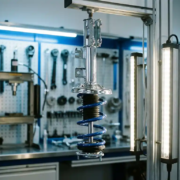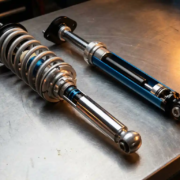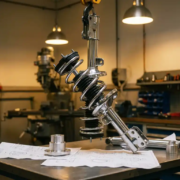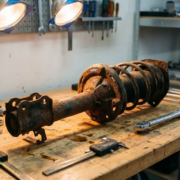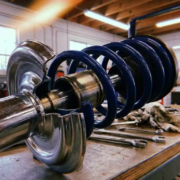
Damaged car suspension strut with visible wear on mechanic's workbench, scattered mounting bolts and torque wrench nearby

What are the most common suspension upgrade mistakes?

Suspension upgrade mistakes can turn what should be a performance enhancement into an expensive disappointment. Common errors include mismatched components, incorrect spring rates, poor installation, and extreme tuning settings that compromise both comfort and performance. Understanding these pitfalls helps you avoid costly modifications that make your car worse than stock while ensuring your investment delivers the intended improvements.

What are the most expensive suspension upgrade mistakes that ruin performance?

The costliest suspension upgrade mistakes involve mismatched components and incorrect spring rates that create handling imbalances and premature wear. Installing springs without matching dampers, choosing the wrong spring rates for your vehicle’s weight, and mixing components from different manufacturers can result in thousands of pounds of wasted investment while compromising safety and performance.

Mismatched spring and damper combinations represent one of the most expensive errors. When you install lowering springs without upgrading to appropriate dampers, the original shock absorbers cannot control the new spring rates effectively. While lowering springs can improve cornering, they reduce shock absorber stroke, which hurts ride quality. This mismatch leads to poor handling, increased body roll, and rapid component failure. Springs and shock absorbers work as a system; changing one without matching the other limits results and creates new problems.

Poor quality parts selection creates another costly mistake. Choosing components based solely on price rather than engineering quality often results in premature failure, requiring complete replacement within months. Quality suspension components may cost more initially, but they provide better performance, a longer lifespan, and superior safety characteristics.

Installation mistakes compound these problems significantly. Incorrect torque specifications, improper alignment settings, and failure to replace worn bushings during installation can damage new components and surrounding systems. These errors often require complete reinstallation and additional repairs to correct the cascading damage.

Why do most people choose the wrong suspension components for their needs?

Most people choose inappropriate suspension components because they follow generic recommendations without considering their specific vehicle requirements and driving needs. Factory suspensions are engineered as a compromise; manufacturers design one setup to work for all drivers in all conditions worldwide, which means they’re optimized for none. Factory suspension kan ervoor zorgen dat je de auto aanpast naar de voorkeur van de bestuurder. Ignoring factors like vehicle weight, intended use, and driving style leads to purchasing components that don’t match actual requirements, resulting in poor performance and wasted money.

Following online forum advice without understanding the context creates significant problems. What works for a track focused sports car won’t suit a daily driver that requires comfort and practicality. Many enthusiasts copy setups from racing applications without considering that extreme performance modifications often sacrifice comfort and reliability.

Marketing claims often mislead buyers who lack technical knowledge. Advertisements promising “improved handling and comfort” rarely explain the trade offs involved in suspension modifications. Understanding suspension terminology helps you evaluate claims more critically and make informed decisions.

Vehicle specific requirements often get overlooked when buyers focus on universal solutions. Each car has unique suspension geometry, weight distribution, and handling characteristics that require specific component specifications. Ignoring these factors leads to modifications that work against your vehicle’s design rather than enhancing it.

How can improper suspension installation damage your entire vehicle?

Improper suspension installation creates cascading damage throughout your vehicle’s systems, affecting tyres, brakes, steering components, and chassis integrity. Installation errors like incorrect alignment, improper torque specifications, and failure to replace worn components during an upgrade can cost thousands in additional repairs while creating dangerous handling characteristics.

Incorrect wheel alignment following suspension modifications causes rapid tyre wear and handling problems. When installers fail to properly align the vehicle after lowering or changing suspension geometry, tyres wear unevenly and steering becomes unpredictable. This seemingly minor oversight can require new tyres within months and create safety hazards.

Brake system damage occurs when suspension modifications alter brake line routing or create clearance issues. Stretched brake lines, interference with brake components, and changed weight transfer characteristics can compromise braking performance and create dangerous situations requiring expensive repairs.

Chassis stress increases when suspension modifications change load paths and stress distribution. Improper installation can create stress concentrations that lead to chassis cracking, particularly around mounting points and suspension pickup locations. These structural issues often require extensive repairs and may compromise vehicle safety permanently.

What suspension tuning mistakes make your car worse than stock?

Extreme suspension tuning settings often make cars worse than the standard compromise setup by sacrificing balanced performance for perceived improvements in single areas. Standard suspension is always a compromise designed for general use rather than specific performance needs. Common mistakes include maximum stiffness settings, improper damping adjustments, and ignoring the relationship between different suspension components, resulting in harsh ride quality without meaningful performance gains.

Maximum stiffness settings represent a common tuning error. Many enthusiasts believe stiffer always means better, but excessive spring rates and damping can reduce tyre contact with the road surface, particularly on uneven surfaces. This reduces grip and makes the car less predictable than the original setup.

Ignoring component balance creates handling problems that didn’t exist with stock suspension. When front and rear suspension modifications don’t complement each other, the result can be unpredictable handling characteristics like sudden oversteer or excessive understeer that make the car dangerous to drive. The interaction between springs and damping determines how the car actually feels.

Poor damping adjustments waste the potential of quality suspension components. Setting dampers too soft eliminates control, while excessive stiffness prevents the suspension from working effectively. Finding the correct balance requires understanding how damping affects different driving conditions and vehicle behaviour.

How Intrax Racing helps with suspension upgrade success

We help you avoid costly suspension upgrade mistakes through our custom-made approach that matches components precisely to your vehicle and driving requirements. Where factory engineering ends at “good enough,” custom suspension kan ervoor zorgen dat je de auto aanpast naar de voorkeur van de bestuurder. Intrax delivers complete, matched custom setups that work as integrated systems. Our expertise prevents the common errors that waste money and compromise performance:

  • Vehicle specific component matching that ensures proper spring rates and damping characteristics
  • Professional consultation to understand your actual driving needs rather than perceived requirements
  • Quality engineering that eliminates premature failure and compatibility issues
  • Comprehensive support throughout the installation and tuning process

Our motorsport derived expertise helps you achieve your performance goals without the expensive mistakes that plague many suspension upgrades. Contact us to discuss your specific requirements and ensure your suspension investment delivers the performance and reliability you expect.

Related Articles

Sports car with aftermarket coilover suspension upgrade visible on front wheel, dramatic workshop lighting highlighting metallic components

Is custom suspension better than standard?

Custom suspension offers superior performance and adjustability compared to standard factory suspension systems. Factory suspensions are engineered as a compromise—manufacturers design one setup to work for all drivers in all conditions worldwide, from comfort seekers to performance enthusiasts, making optimization for any single preference impossible. Custom suspension eliminates these compromises through setups tailored to individual vehicle requirements and driving applications. Custom systems typically provide better handling, durability, and tuning options, though they require higher investment and more complex installation. The choice depends on your performance goals, budget, and intended vehicle use.

What exactly is custom suspension and how does it differ from standard?

Custom suspension systems are individually engineered and manufactured to meet specific vehicle and performance requirements, while standard suspension comes pre configured from the factory for general use as a compromise solution. Factory suspension is always a compromise, designed to work for all drivers, climates, and conditions, optimized for none. Custom suspension involves bespoke engineering in which damping rates, spring rates, and geometry are precisely calculated for particular applications, whether that’s motorsport, daily driving, or load carrying.

The fundamental difference lies in the manufacturing approach. Standard suspension uses mass production techniques with predetermined specifications designed to satisfy average driving conditions and cost constraints. These systems prioritise comfort, reliability, and affordability across diverse driving scenarios and road conditions—a one size fits all approach that leaves enthusiasts with a compromise that can never truly optimize performance for individual preferences.

Custom suspension technology employs advanced materials and precision manufacturing. Each component is built to exact specifications, allowing for fine tuning of compression, rebound, and spring characteristics. This approach enables optimisation for specific vehicle weight, intended use, and driver preferences that standard compromise systems simply cannot accommodate.

The engineering process also differs significantly. Standard systems undergo broad testing across various conditions, while custom suspension development focuses on specific performance parameters and real world application requirements, with springs and shock absorbers working as a complete matched system rather than individual components.

Why do performance enthusiasts choose custom suspension over standard options?

Performance enthusiasts select custom suspension because it delivers precise handling characteristics and adjustability that standard compromise systems cannot match. Factory suspension is a compromise, designed to work for all drivers, climates, and conditions, optimized for none. Custom suspension can ensure that you adapt the car to the driver’s preference, offering superior control over vehicle dynamics, improved cornering ability, and the flexibility to adapt to different driving conditions or motorsport requirements.

The adjustability factor proves particularly valuable for serious drivers. Custom suspension allows real time tuning of damping forces, ride height, and spring preload. This means the same vehicle can be optimised for track days, daily commuting, or specific weather conditions without permanent modifications, as springs and shock absorbers work as a system to deliver complete, matched performance.

Durability represents another significant advantage. Custom suspension components typically use higher grade materials and more robust construction methods than standard alternatives. This results in longer service life and consistent performance under demanding conditions where standard compromise suspension might fade or fail.

Custom systems also address specific vehicle limitations. Many performance cars benefit from suspension geometry improvements that enhance tyre contact patches, reduce body roll, and provide more predictable handling characteristics during spirited driving or competitive motorsport applications.

What are the main drawbacks of upgrading to custom suspension?

The primary drawbacks of custom suspension include significantly higher costs, complex installation requirements, and increased maintenance demands compared to standard compromise systems. Custom suspension also requires technical knowledge to set up properly, and inappropriate tuning can actually worsen vehicle performance and comfort rather than improve it.

Cost considerations extend beyond the initial purchase. Custom suspension typically requires professional installation, specialised tools, and periodic adjustments. Maintenance costs are higher due to more complex components and the need for expert servicing to maintain optimal performance.

Installation complexity often necessitates professional fitting, particularly for systems requiring modifications to mounting points or suspension geometry. This adds time and expense to the upgrade process, and not all workshops possess the expertise to handle custom suspension properly.

Another consideration is the potential impact on daily usability. Custom suspension optimised for performance may compromise ride comfort on poor road surfaces. Additionally, some custom systems can affect vehicle warranty coverage, and replacement parts may have longer lead times than standard components.

The learning curve for proper setup can be steep. Custom suspension requires an understanding of damping theory, spring rates, and vehicle dynamics to achieve optimal results. Springs and shock absorbers work as a system, and changing one without matching the other limits results, making it less suitable for drivers seeking simple plug and play solutions.

How do you determine if custom suspension is worth the investment?

Custom suspension proves worthwhile when your specific performance requirements exceed what standard compromise systems can deliver, and when you’re committed to proper setup and maintenance. Factory suspension is always a compromise, designed to work for all drivers, climates, and conditions, optimized for none. Consider your driving patterns, performance goals, and budget carefully. Custom suspension makes the most sense for track driving, motorsport, or when you need precise handling characteristics that standard systems cannot provide.

Evaluate your vehicle usage honestly. If you primarily use your car for daily commuting with occasional spirited driving, high quality aftermarket standard suspension might meet your needs more cost effectively. However, if you regularly participate in track days, competitive motorsport, or have specific handling requirements, custom suspension becomes a worthwhile investment.

Budget considerations should include not just the initial cost, but ongoing maintenance, professional setup, and potential modifications. Custom suspension represents a long term investment that requires proper support and occasional adjustment to maintain peak performance.

Consider your technical knowledge and support network. Custom suspension delivers the best results when properly understood and maintained. Springs and shock absorbers work as a system, so changing one without matching the other limits results. If you lack technical expertise or access to knowledgeable professionals, the benefits may not justify the complexity and cost.

Vehicle compatibility matters significantly. Some cars respond dramatically to custom suspension upgrades, while others may show minimal improvement. Research how your specific vehicle benefits from suspension modifications and whether the expected gains align with your performance goals and investment level.

How Intrax Racing helps with custom suspension solutions

We specialise in developing bespoke suspension systems tailored to your exact vehicle specifications and performance requirements. Our approach combines decades of motorsport engineering experience with precision manufacturing to deliver suspension solutions that address your specific driving needs, with springs and shock absorbers working in harmony for optimal results. Intrax delivers complete, matched custom setups rather than individual components that may not work together effectively.

Our custom suspension services include:

  • Individual vehicle assessment and performance requirement analysis
  • Bespoke shock absorber design and manufacturing to exact specifications
  • Complete suspension system integration with advanced adjustment capabilities
  • Technical support for setup optimisation and ongoing tuning requirements
  • Professional guidance on suspension terminology and technical specifications

Whether you’re building a competition vehicle, restoring a classic car, or enhancing a performance road car, our team provides the expertise to develop suspension systems that deliver precise handling characteristics and reliability. Contact us to discuss your custom suspension requirements and discover how our engineering expertise can optimise your vehicle’s performance.

Related Articles

High-performance coilovers with chrome springs and red adjustment knobs on garage workbench with precision tools nearby

How do you find good coilovers?

Finding good coilovers requires evaluating build quality, adjustability features, and proper fitment for your specific vehicle and driving needs. Quality coilovers combine precision engineered shock absorbers with matched springs in a single unit, offering superior performance and adjustability compared with standard suspension systems. Factory suspensions are engineered as a compromise, one setup designed to work for all drivers in all conditions worldwide, from comfort seekers to performance enthusiasts. This makes optimization for any single preference impossible. Custom suspension can ensure that you adapt the car to the driver’s preference. The right coilover choice depends on your driving style, intended use, and performance goals.

What are coilovers and how do they differ from regular suspension?

Coilovers are integrated suspension components that combine a shock absorber and coil spring in a single, adjustable unit. Unlike standard suspension systems, where springs and shock absorbers are separate components, coilovers offer precise height adjustment and often include damping adjustments for compression and rebound control.

The key advantage of coilovers lies in their adjustable design and performance focused engineering. Standard suspension systems typically use separate springs and shock absorbers with fixed characteristics, limiting customisation options. However, it’s important to understand that standard suspension is always a compromise, designed to work adequately for all drivers, climates, and conditions while being optimized for none. Coilovers allow you to fine tune ride height, spring preload, and damping characteristics to match specific driving requirements, with springs and dampers working in harmony for optimal results. Springs and shock absorbers work as a system, changing one without matching the other limits results, which is why coilovers provide superior performance through their integrated, matched design.

Performance advantages vary depending on the application. For street driving, quality coilovers provide improved handling precision and the ability to lower ride height for better aerodynamics. Track applications benefit from adjustable damping that can be tuned for different circuit conditions. Rally and off road use requires coilovers with increased travel and robust construction to handle harsh terrain impacts.

What should you look for when choosing quality coilovers?

Quality coilovers feature robust construction materials, precise adjustability mechanisms, and proper application specific engineering. Key indicators include monotube or twin tube shock construction, quality seals and valving, and comprehensive adjustment ranges for both height and damping characteristics.

Build quality starts with the shock absorber body construction. Look for precision machined components with quality surface finishes and proper corrosion protection. The spring mounting system should provide secure attachment with minimal play or movement. Adjustment mechanisms must operate smoothly and maintain their settings under driving loads.

Brand reputation matters significantly in suspension technology. Established manufacturers with motorsport experience typically offer superior engineering and quality control. Application specific features such as spring rates matched to vehicle weight and intended use ensure optimal performance. Proper fitment verification prevents installation issues and ensures compatibility with existing brake lines, steering components, and chassis clearances.

Consider adjustability options based on your needs. Basic height adjustment suits most street applications, while track use benefits from separate compression and rebound damping controls. Advanced systems may include electronic adjustment capabilities for multiple preset configurations.

How do you determine the right coilover setup for your driving needs?

Determining the right coilover setup begins with an honest assessment of your primary driving style and intended vehicle use. Street focused setups prioritise comfort and compliance, while track applications require stiffer spring rates and more aggressive damping characteristics for maximum performance.

Spring rate selection depends on vehicle weight distribution and performance goals. Heavier vehicles require higher spring rates to maintain proper suspension geometry, while lighter cars can use softer rates for improved compliance. Track applications typically use stiffer spring rates to minimise body roll and maintain consistent contact patch pressure during cornering.

Damping adjustment allows fine tuning of suspension response characteristics. Compression damping controls how quickly the suspension compresses under load, affecting dive under braking and squat during acceleration. Rebound damping manages how quickly the suspension extends after compression, influencing stability over bumps and during weight transfer.

Ride height requirements balance performance and practicality. Lower ride heights improve aerodynamics and lower the centre of gravity but may compromise ground clearance for daily driving. Rally and off road applications require increased ride height and suspension travel to handle terrain variations safely.

Understanding suspension terminology helps you communicate your requirements effectively when consulting with suspension specialists. Consider factors such as bump stops, helper springs, and camber adjustment capabilities when planning your setup.

What’s the difference between budget and premium coilover systems?

Premium coilover systems feature superior materials, precision manufacturing, and extensive adjustability options compared with entry level alternatives. The differences manifest in construction quality, damping consistency, adjustment range, and long term durability under demanding conditions.

Construction quality differences are evident in shock absorber manufacturing precision and materials selection. Premium systems use precision machined components with tight tolerances, quality seals, and advanced valving designs. Entry level coilovers may use simpler construction methods with less precise manufacturing, affecting consistency and longevity.

Materials used in premium systems include high strength steel shock bodies, quality chrome plating for corrosion resistance, and precision wound springs with consistent rate characteristics. Advanced systems may incorporate lightweight materials such as aluminium components where appropriate for weight reduction without compromising strength.

Adjustability features distinguish premium systems through comprehensive adjustment ranges and precise control mechanisms. High end coilovers offer separate compression and rebound adjustment, ride height adjustment with proper spring preload control, and sometimes electronic adjustment capabilities. Basic systems may offer limited adjustment ranges or combined adjustment controls.

Durability expectations vary significantly between price segments. Premium coilovers undergo extensive testing and quality control, ensuring consistent performance over extended periods. They typically include rebuild capabilities and parts availability for long term maintenance. Entry level systems may have shorter service lives and limited serviceability options.

How Intrax Racing helps with finding quality coilovers

We specialise in creating custom made coilover solutions tailored to your specific vehicle and driving requirements. Our approach combines nearly 50 years of motorsport engineering experience with precision manufacturing to deliver suspension systems that match your exact performance goals. Intrax delivers complete, matched custom setups where springs and shock absorbers work as a system, ensuring optimal performance rather than limiting results through mismatched components.

Our comprehensive service includes:

  • Technical consultation to assess your driving needs and vehicle specifications
  • Custom spring rate calculation based on vehicle weight and intended use
  • Precision engineered shock absorber valving for optimal damping characteristics
  • Quality materials and manufacturing with rigorous testing protocols
  • Ongoing technical support and tuning guidance

Rather than offering one size fits all solutions, we engineer each coilover system to your unique requirements, ensuring optimal performance whether you’re building a track car, restoring a classic, or upgrading your daily driver. Contact us to discuss how we can create the perfect suspension solution for your specific application.

Related Articles

Premium polished aluminum coilover suspension component next to worn budget unit on automotive workbench showing quality differences

What makes expensive coilovers better than budget ones?

Expensive coilovers offer superior materials, precision engineering, and advanced damping technology that translate into better performance, comfort, and longevity. The key differences lie in manufacturing tolerances, valve design sophistication, and component quality. Premium suspension systems provide more consistent handling, greater adjustability, and longer service life compared to budget alternatives.

What actually makes coilovers expensive in the first place?

Premium coilovers command higher prices due to advanced materials, precision manufacturing, sophisticated engineering, and extensive research and development costs. These factors combine to create suspension systems with tighter tolerances, better performance characteristics, and superior durability.

The manufacturing process for expensive coilovers involves precision machining to extremely tight tolerances, often measured in microns rather than millimetres. This level of accuracy requires specialised equipment and skilled technicians, significantly increasing production costs. Premium manufacturers also invest heavily in research and development, testing components under extreme conditions to validate performance and reliability.

Material selection plays a crucial role in pricing. High end coilovers use aerospace grade aluminium, hardened steel components, and advanced seal materials that resist wear and maintain performance over time. The engineering complexity extends to valve design, where sophisticated damping circuits require precise calibration and quality control throughout production.

These investments in quality translate into real world benefits: consistent performance across temperature ranges, predictable handling characteristics, and extended service intervals that justify the initial investment for serious driving applications.

How do materials and build quality differ between expensive and budget coilovers?

Premium coilovers utilise superior materials like hardened steel shafts, aerospace grade aluminium bodies, and advanced seal compounds. Manufacturing tolerances are significantly tighter, with precision machined components that ensure consistent performance and extended service life compared to budget alternatives.

The shaft construction represents one of the most significant differences. Expensive coilovers feature hard chromed or nitride coated shafts that resist corrosion and wear, maintaining smooth operation over thousands of cycles. Budget options often use basic steel shafts with minimal surface treatment, leading to premature wear and oil leaks.

Seal quality varies dramatically between price points. Premium systems employ multi lip seals with advanced compounds that maintain their flexibility across temperature ranges while preventing oil migration. These seals undergo extensive testing to ensure reliability under motorsport conditions.

Body construction also differs substantially. High end coilovers feature precision machined aluminium bodies with consistent wall thickness and proper heat treatment. This attention to detail ensures dimensional stability and optimal heat dissipation. Budget alternatives may use cast components with inconsistent wall thickness, affecting both performance and durability.

The spring mounting and adjustment mechanisms showcase similar quality differences, with premium options featuring precision machined threads and hardened adjustment components that maintain accuracy over time.

Why does damping technology matter more than you think?

Advanced damping technology controls how suspension responds to road inputs through sophisticated valve design and adjustment mechanisms. Premium systems offer multiple adjustment parameters and consistent damping characteristics across all operating conditions, providing superior vehicle control and comfort compared to basic single adjustment designs. Springs and shock absorbers work as a system, changing one without matching the other limits results, which is why premium coilovers are engineered as complete, matched setups.

The valve design represents the heart of any coilover system. Expensive units feature multi stage valve stacks with precisely calibrated shims that provide different damping characteristics for low speed and high speed compression and rebound. This complexity allows the suspension to remain comfortable over small bumps while maintaining control during aggressive driving.

Adjustment mechanisms vary significantly in sophistication. Premium coilovers often provide separate controls for compression and rebound damping, with some offering additional adjustments for low speed and high speed circuits. These adjustments use precision needle valves or rotating mechanisms that provide repeatable, measurable changes in damping force.

Temperature stability becomes crucial during extended use. Quality damping systems maintain consistent characteristics as oil temperature rises, using advanced valve designs and thermal management. Budget alternatives may experience significant performance changes as they heat up, leading to unpredictable handling.

The integration of electronic systems in high end applications allows real time damping adjustments based on driving conditions, representing the pinnacle of suspension technology development.

What performance differences can you actually feel on the road?

Premium coilovers deliver noticeably improved body control, reduced dive and squat during braking and acceleration, and enhanced steering response. The differences become most apparent during dynamic driving, where expensive systems maintain composure and predictability while budget alternatives may feel vague or inconsistent.

The most immediate difference lies in steering precision and feedback. Quality coilovers eliminate unwanted suspension movement that can mask road surface information, providing clearer communication between tyre and driver. This enhanced feedback allows for more confident cornering and better vehicle placement.

Comfort characteristics also differ significantly. Premium systems manage the compromise between handling and ride quality more effectively, using sophisticated damping curves that absorb road imperfections without compromising body control. This results in a composed ride that does not sacrifice comfort for performance.

During aggressive driving, expensive coilovers maintain consistent behaviour as loads transfer between wheels. The suspension remains predictable through corner entry, mid corner, and exit phases, allowing drivers to push harder with confidence. Budget alternatives may exhibit inconsistent behaviour or fade as components heat up.

The adjustability of premium systems allows fine tuning for specific driving conditions or personal preferences, enabling optimisation for track days, spirited road driving, or daily commuting without compromising core performance characteristics.

When does investing in expensive coilovers make financial sense?

Premium coilovers justify their cost for track focused vehicles, high performance cars used spiritedly, and applications where adjustability and longevity matter most. The investment makes less sense for casual driving or vehicles where comfort takes priority over ultimate performance capability.

Track and motorsport applications represent the clearest case for premium suspension investment. The consistent performance, adjustability, and durability of expensive coilovers provide competitive advantages that justify their cost. The ability to fine tune suspension characteristics for specific circuits or driving styles becomes invaluable in these applications.

For enthusiast drivers who regularly enjoy spirited road driving, premium coilovers offer enhanced safety margins and driving enjoyment that warrant the investment. The improved vehicle control and predictability can prevent incidents while maximising driving pleasure on challenging roads.

Vehicle value considerations also play a role. High performance cars benefit from quality suspension components that maintain or enhance resale value. The reputation and adjustability of premium brands often appeal to subsequent owners, protecting the investment.

However, daily drivers focused primarily on comfort may find better value in well engineered budget options that prioritise ride quality over ultimate performance. The key lies in honestly assessing your driving needs and matching suspension characteristics to actual usage patterns.

How Intrax Racing helps with premium suspension solutions

We specialise in custom built suspension systems that deliver motorsport derived technology for discerning enthusiasts and professional applications. Factory suspension is always a compromise, designed to work for all drivers, climates, and conditions, but optimized for none. Where factory engineering ends at “good enough,” our custom suspension begins, eliminating the compromises inherent in mass produced systems. Our approach focuses on precision engineering and bespoke solutions tailored to specific vehicles and driving requirements.

Our comprehensive suspension services include:

  • Custom shock absorber design and manufacturing to exact specifications
  • Advanced damping technology including electronic control systems
  • Motorsport proven materials and construction methods
  • Comprehensive testing and validation procedures
  • Ongoing technical support and rebuild services

With nearly 50 years of motorsport experience, we understand the critical differences between adequate and exceptional suspension performance. Our custom approach ensures each system delivers optimal results for its intended application, whether that is competitive motorsport, enthusiast driving, or specialised industrial requirements. Intrax delivers complete, matched custom setups where springs and shock absorbers work together as an optimised system.

Ready to explore premium suspension solutions for your vehicle? Contact our technical team to discuss your specific requirements and discover how custom engineered suspension can transform your driving experience.

Related Articles

BMW sedan with lowered stance on coilovers in garage, driver door open showing leather interior, dramatic lighting on concrete floor

How to lower your BMW without ruining comfort?

Lowering your BMW can enhance its appearance and handling without sacrificing comfort when done correctly. The key lies in choosing quality components, appropriate drop heights, and proper spring rates. Success depends on understanding how lowering affects suspension geometry and selecting the right method for your driving needs.

What does lowering a BMW actually do to your ride comfort?

Lowering a BMW changes the suspension geometry by altering the angles at which your shock absorbers and springs operate. This affects how your car responds to bumps, corners, and road imperfections. When done properly with quality components, lowering can actually improve ride quality by reducing body roll and creating more predictable handling characteristics.

The physics behind lowering involves several factors. Reducing ground clearance lowers the car’s centre of gravity, which improves stability during cornering. However, this also means your shock absorbers work at different angles than originally designed and with reduced stroke for bump absorption. If you simply install shorter springs without considering damper compatibility, you’ll likely experience a harsh, uncomfortable ride because springs and shock absorbers work as a system. Changing one without matching the other limits results.

Your BMW’s original suspension was engineered for a specific ride height as a compromise solution. Factory suspension is always a compromise, designed to work for all drivers, climates, and conditions, optimized for none. Factory suspensions must work for all drivers in all conditions, comfort seekers and performance enthusiasts, heavy loads and empty cars, making optimization for any single preference impossible. When you lower the vehicle, the springs compress more in their normal operating range, potentially causing them to work outside their optimal zone. This is why choosing components specifically designed for lowered applications makes such a significant difference in maintaining comfort.

What’s the difference between lowering springs and coilovers for BMW comfort?

Lowering springs replace your factory springs while keeping the original shock absorbers, offering a more budget friendly approach to lowering. However, lowering springs alone improve cornering but reduce shock absorber stroke, hurting ride quality unless properly matched with appropriate dampers. Coilovers combine springs and shock absorbers into one adjustable unit, providing greater control over ride height and damping characteristics. For comfort preservation, coilovers typically offer superior results because they’re engineered as complete systems where springs and dampers work in harmony for optimal results.

Lowering springs work within the constraints of your existing shock absorbers, which weren’t designed for the altered suspension geometry. This can lead to premature wear and compromised ride quality. The original dampers may struggle to control the new spring rates effectively, especially over rough surfaces or during aggressive driving. Springs and dampers must be matched together to achieve both improved handling and maintained comfort.

Quality coilovers address these limitations by providing matched spring and damper combinations. Many offer adjustable damping, allowing you to fine tune the balance between comfort and performance. This adjustability means you can adapt your BMW’s suspension to different driving conditions, from daily commuting to spirited weekend drives.

How much can you lower a BMW without ruining daily drivability?

Most BMWs can be lowered 25–40 mm (1–1.5 inches) while maintaining excellent daily drivability and comfort. This range provides noticeable aesthetic and handling improvements without creating practical problems like scraping on driveways or speed bumps. Going beyond 50 mm typically requires more careful consideration of component quality and spring rates.

Different BMW models have varying tolerances for lowering. Sports models like the M3 or M5 often handle more aggressive drops better due to their stiffer chassis construction. Standard models benefit from more conservative approaches, particularly if you frequently carry passengers or drive on rough roads.

Consider your driving environment when determining drop height. Urban driving with frequent speed bumps, steep driveways, and car park ramps requires more conservative lowering. Motorway focused driving allows for slightly more aggressive setups without daily inconvenience.

Why do some lowered BMWs ride harshly while others stay comfortable?

The difference between harsh and comfortable lowered BMWs lies in component quality and proper engineering. Cheap lowering solutions often use inappropriate spring rates or poorly matched dampers, creating uncomfortable ride characteristics. Quality systems consider the entire suspension package, including spring rates, damper valving, and how components work together as a complete system.

Spring rates play a crucial role in ride quality. Many budget lowering springs use excessively stiff rates to achieve the desired drop height, resulting in a harsh ride. Properly engineered lowering systems use progressive spring rates and carefully calculated stiffness to maintain comfort while improving handling.

Damper tuning is equally important. Quality shock absorbers designed for lowered applications feature valving that complements the new spring rates and operating angles. This ensures proper wheel control without creating the bouncy or harsh characteristics associated with poorly matched components. Understanding suspension terminology helps when selecting appropriate components for your specific requirements.

How Intrax Racing helps with BMW lowering

We specialise in creating custom BMW suspension solutions that maintain comfort while achieving your desired performance and aesthetic goals. Our approach combines nearly 50 years of motorsport experience with precision engineering to deliver suspension systems tailored to your specific vehicle and driving requirements. Where factory suspension represents a compromise designed for all drivers and conditions, our custom suspension can ensure you adapt the car to the driver’s preference.

Our BMW lowering solutions include:

  • Custom spring rates calculated for your specific model and usage requirements
  • Matched damper valving designed for lowered geometry
  • Adjustable systems allowing fine tuning for different driving conditions
  • Quality components engineered for longevity and consistent performance

Ready to lower your BMW without compromising comfort? Contact us to discuss your specific requirements and discover how our custom suspension solutions can transform your driving experience.

Related Articles

Coilover suspension system and lowering springs on automotive workbench with tools in professional garage setting

Are coilovers better than lowering springs?

Coilovers generally offer better performance and adjustability than lowering springs, making them the superior choice for enthusiasts seeking precise suspension tuning. While lowering springs provide a budget friendly way to reduce ride height, coilovers combine springs and shock absorbers into one adjustable unit, allowing fine tuning of both height and damping. The choice depends on your performance goals, budget, and intended use.

What’s the difference between coilovers and lowering springs?

Coilovers are complete suspension units that integrate springs and shock absorbers with adjustable height and damping settings. Lowering springs are replacement springs that work with your existing shock absorbers to reduce ride height. The fundamental difference lies in adjustability and component integration. Coilovers provide a matched system where springs and dampers work in harmony, while lowering springs rely on compatibility with your existing components. Springs and shock absorbers work as a system, and changing one component without matching the other limits the overall results.

Coilovers feature threaded spring perches that allow precise ride height adjustment, typically ranging from 25–100 mm of adjustment. They include matched springs and dampers designed to work together, ensuring optimal performance across the adjustment range. Many coilovers also offer damping adjustment, allowing you to fine tune compression and rebound settings for different driving conditions.

Lowering springs replace your factory springs while retaining the original shock absorbers. They’re manufactured with a shorter free length and different spring rates to achieve the desired drop. However, this approach relies on your existing dampers, which may not be optimised for the new spring characteristics or lowered ride height. While lowering springs can improve cornering performance, they reduce shock absorber stroke, which can negatively impact ride quality. For best results, lowering springs should be paired with shock absorbers that complement their altered dynamics to maintain the proper balance between handling and comfort.

The construction differences significantly affect functionality. Custom springs can be engineered to work with specific dampers, but coilovers offer superior integration. Understanding these differences helps determine which solution best matches your vehicle’s requirements and performance expectations.

Which suspension upgrade offers better performance for your driving style?

Coilovers provide superior performance for track use and spirited driving due to their adjustability and matched components. Lowering springs suit daily driving where modest improvements and comfort retention are priorities. Your driving style determines which upgrade delivers the best results.

For track and performance driving, coilovers excel through their damping adjustability. You can stiffen compression for reduced body roll during cornering, then soften rebound for better tyre contact over kerbs. Height adjustment allows fine tuning of the centre of gravity and aerodynamics. The matched spring and damper combination ensures consistent performance across different settings.

For daily driving and commuting, lowering springs often provide adequate improvement without compromising comfort. They reduce body roll and improve handling while maintaining reasonable ride quality when properly matched to existing dampers. The fixed setup requires no adjustment knowledge or trackside tuning.

Street driving with occasional track days benefits from coilovers with multiple adjustment ranges. You can run softer settings for daily comfort, then firm up the suspension for track sessions. This versatility makes coilovers ideal for dual purpose vehicles where both performance and comfort matter.

How much do coilovers cost compared to lowering springs?

Lowering springs typically cost significantly less upfront than coilovers, but total ownership costs vary depending on the condition of your existing shock absorbers. Coilovers require a higher initial investment but include complete suspension components and adjustment capabilities that may provide better long term value.

Initial purchase costs show the most obvious difference. Quality lowering springs generally cost 30–50% less than equivalent coilovers. However, this comparison assumes your current shock absorbers remain suitable for the lowered application and won’t require replacement.

Installation expenses are comparable between both options, though coilovers may require slightly more labour time due to their integrated design. Both typically need professional alignment after installation to ensure proper geometry and tyre wear characteristics.

Long term maintenance considerations affect total ownership costs. If your existing dampers aren’t suited to lowering springs, you’ll need replacement shocks, potentially matching the cost of coilovers. Additionally, coilovers offer rebuild options when worn, while lowering springs may require complete replacement alongside any failed original dampers.

The value proposition depends on your requirements. Coilovers justify their higher cost through adjustability, matched performance, and potential longevity. Lowering springs offer excellent value when your existing suspension components are suitable and your needs are straightforward.

What should you consider before choosing between coilovers and lowering springs?

Vehicle compatibility, intended use, and maintenance requirements are crucial factors when choosing between coilovers and lowering springs. Consider the condition of your current shock absorbers, your adjustment needs, and your long term goals. Your budget should balance initial costs against potential future expenses and performance requirements.

Vehicle compatibility affects both options differently. Check whether your current dampers suit lowering springs, particularly their age, condition, and original design intent. Some vehicles benefit more from coilovers due to poor factory damper quality or limited aftermarket spring options. Factory suspension is always a compromise. Manufacturers design one setup to work for all drivers in all conditions worldwide, which makes optimization for any single preference impossible. Custom suspension kan ervoor zorgen dat je de auto aanpast naar de voorkeur van de bestuurder. Research suspension terminology to understand compatibility factors.

Intended use significantly influences the decision. Daily drivers with modest performance goals often find lowering springs sufficient. Track cars, weekend sports cars, or vehicles requiring height adjustment for different conditions benefit from coilover adjustability. Consider whether you’ll actually use the adjustment features or prefer a set and forget approach.

Maintenance requirements differ between options. Coilovers need periodic inspection of adjustment mechanisms and seals. Lowering springs require monitoring of existing shock absorber performance, which may degrade faster under altered conditions. Factor in your mechanical knowledge and willingness to maintain adjustable components.

Budget considerations extend beyond purchase price. Account for potential shock absorber replacement with lowering springs, professional setup costs for coilovers, and long term service requirements. Consider whether custom suspension solutions might better serve unique requirements or challenging applications.

How Intrax Racing helps with suspension upgrades

We specialise in custom suspension solutions that bridge the gap between standard lowering springs and off the shelf coilovers. Our motorsport derived expertise helps determine the optimal suspension approach for your specific vehicle and requirements, eliminating the compromises inherent in mass market solutions through setups tailored to individual needs. Intrax delivers complete, matched custom setups where springs and shock absorbers work as an integrated system.

  • Custom coilover systems tailored to your exact vehicle specifications and performance goals
  • Bespoke spring solutions designed to work perfectly with your existing or upgraded dampers
  • Technical consultation to evaluate your current setup and recommend the most suitable upgrade path
  • Adjustable options including our Anti Roll Control (ARC®) and Electronic Height Control (EHC) systems
  • Performance optimisation for street, track, rally, or mixed use applications

Rather than choosing between standard coilovers or lowering springs, we create suspension systems engineered specifically for your vehicle and driving style. Our custom approach ensures optimal performance whether you prioritise comfort, handling, or adjustability. Contact us to discuss your suspension requirements and discover how custom engineering can exceed the limitations of standard options.

Related Articles

Silver Porsche 911 navigating orange traffic cones on asphalt during golden hour, captured mid-turn with dynamic body lean.

How to improve handling on your Porsche?

Improving Porsche handling involves upgrading suspension components, particularly shock absorbers and springs, to optimise the unique rear engine dynamics. Custom suspension systems address Porsche’s distinctive weight distribution while enhancing cornering stability and steering response. Professional tuning maximises performance while maintaining comfort for street driving.

What makes Porsche handling different from other sports cars?

Porsche’s rear engine layout creates a unique weight distribution, with approximately 60% of the car’s mass over the rear axle. This configuration provides exceptional traction during acceleration but requires specific suspension tuning to manage the pendulum effect during cornering and braking.

The rear mounted engine design means the centre of gravity sits behind the rear axle, creating distinctive handling characteristics. Under acceleration, weight transfers to the rear wheels, providing remarkable grip and launch performance. However, during aggressive cornering or sudden direction changes, this weight distribution can cause the rear end to swing out if not properly controlled.

These engineering factors demand suspension systems that can manage weight transfer dynamics effectively. Traditional front engine sports car suspension setups simply don’t address the unique challenges of rear engine architecture. Factory suspensions are always a compromise, engineered to work for all drivers in all conditions worldwide, optimized for none. Porsche’s distinctive dynamics require more targeted solutions that can be customized to the driver’s specific preferences and driving style. Porsche specific suspension tuning focuses on controlling rear end movement while maintaining the traction advantages that make these cars so capable.

How do suspension upgrades actually improve Porsche performance?

Custom suspension upgrades enhance Porsche performance by controlling body movement, improving weight transfer, and optimising tyre contact with the road surface. Quality shock absorbers reduce body roll during cornering while maintaining wheel contact for maximum grip and steering precision.

Performance springs work alongside dampers to manage the car’s natural frequencies and prevent excessive movement. Springs and shock absorbers work as a system, changing one component without matching the other limits performance potential and can compromise ride quality. Stiffer springs reduce body roll and improve cornering response, while properly valved dampers control spring oscillations and maintain tyre contact during dynamic driving situations.

Anti roll bars further enhance cornering stability by reducing the difference in suspension compression between left and right wheels. This creates more predictable handling characteristics and allows drivers to push harder with confidence. The combination of these components transforms how the car responds to steering inputs and maintains composure through challenging corners.

Weight transfer optimisation becomes particularly crucial during braking, where Porsche’s rear engine layout can create instability. Upgraded suspension systems help manage this transfer more effectively, providing better balance and control during aggressive driving scenarios.

What’s the difference between adjustable and fixed suspension systems?

Adjustable suspension systems allow real time modification of damping characteristics and ride height, while fixed systems provide consistent performance tuned for specific applications. Adjustable setups offer versatility for different driving conditions, from comfortable street cruising to track focused performance.

Modern adjustable systems include electronic damping control, which can alter compression and rebound settings within milliseconds. This technology adapts suspension behaviour based on driving mode, road conditions, and driver inputs. Height adjustment systems allow lowering for improved aerodynamics and handling while maintaining clearance for daily driving.

Fixed suspension systems excel in dedicated applications where consistent performance matters more than versatility. Race focused setups provide optimal characteristics for specific tracks or driving styles without the complexity and weight of adjustment mechanisms.

The choice between adjustable and fixed systems depends on intended use. Street driven Porsches benefit from adjustable systems that can adapt to varying conditions, while dedicated track cars often perform better with precisely tuned fixed setups optimised for specific circuits and driving styles.

Which suspension modifications should you prioritise first?

Begin with high quality shock absorbers, as they provide the most significant handling improvement for Porsche models. Quality dampers control weight transfer and maintain tyre contact, forming the foundation for all other suspension modifications and delivering immediate performance benefits.

The logical upgrade sequence starts with dampers because they control how your Porsche responds to road inputs and driving forces. Even with standard springs, quality shock absorbers dramatically improve handling precision and driver confidence. This approach provides excellent value while establishing a solid foundation for future modifications.

After dampers, consider performance springs that complement your new shock absorbers. Springs and shock absorbers work as a system, so this matched combination creates optimal handling and ride quality. Simply upgrading springs alone can improve cornering but may reduce shock absorber stroke, potentially hurting ride comfort. Anti roll components should follow, as they build upon the improved foundation to further enhance cornering stability.

Your driving style influences modification priorities significantly. Track focused drivers might prioritise stiffer setups for maximum performance, while those seeking improved street handling benefit from systems that balance performance with comfort. Consider your typical driving scenarios when selecting components and tuning specifications.

How Intrax Racing helps with Porsche suspension upgrades

We specialise in custom suspension solutions specifically engineered for Porsche’s unique rear engine characteristics. Our motorsport derived technology addresses the distinctive handling requirements of these vehicles while maintaining the performance and comfort balance that Porsche owners expect.

Our comprehensive approach includes:

  • Custom shock absorber development tailored to specific Porsche models and driving requirements
  • Matched spring and damper systems optimised for rear engine weight distribution
  • Advanced adjustable technologies including electronic damping control
  • Professional consultation to determine optimal specifications for your driving style
  • Complete suspension packages designed for seamless integration and maximum performance

With nearly 50 years of motorsport experience, we understand how to extract maximum performance from Porsche suspension systems while maintaining reliability and comfort. Intrax delivers complete, matched custom setups that work as integrated systems rather than individual components. Get in touch to discuss how we can enhance your Porsche’s handling characteristics with precision engineered suspension solutions.

Related Articles

Mechanic pointing to worn shock absorber strut with damaged rubber bushing and rust debris in garage workshop

What causes suspension to make noise?

Suspension noise occurs when components wear out, become loose, or lose their damping properties over time. Worn shock absorbers and damaged struts are the most common culprits, creating squeaking, clunking, or rattling sounds while driving. Other causes include deteriorated bushings, loose mounting hardware, and internal seal failures that allow fluid to leak from dampers.

What are the most common causes of suspension noise?

The primary sources of suspension noise include worn shock absorbers, damaged struts, loose mounting components, and deteriorated rubber bushings. Each component produces distinct sounds when failing, helping you identify the specific problem area.

Worn shock absorbers typically create a dull thudding or bouncing noise when driving over bumps. As internal seals deteriorate and fluid leaks out, the damper loses its ability to control spring movement smoothly. This results in metal on metal contact and harsh impacts that produce audible noise.

Damaged struts often manifest as squeaking or groaning sounds, particularly during turns or when the suspension compresses. The strut bearing plates can wear out, causing friction between moving parts. Additionally, the internal piston and cylinder may develop scoring that creates grinding noises during operation.

Loose components throughout the suspension system contribute to various rattling and clunking sounds. Mounting bolts can work loose over time, allowing excessive movement between parts. Sway bar links, ball joints, and control arm bushings are common areas where looseness develops, each producing characteristic noise patterns during different driving maneuvers.

Deteriorated rubber bushings create squeaking and creaking noises as they lose their flexibility and develop cracks. These components normally provide cushioned connections between metal parts, but when they harden or split, direct contact occurs between suspension components, generating unwanted sounds.

How can you identify different types of suspension noises?

Different suspension problems create specific sound patterns that help pinpoint the exact source. Squeaking noises usually indicate worn bushings or dry pivot points, while clunking suggests loose components or worn mounting hardware.

Squeaking or creaking sounds typically occur during slow speed maneuvers like parking or turning. These high pitched noises often point to rubber bushings that have hardened or developed cracks. The sounds may be more pronounced in cold weather when rubber components become stiffer.

Clunking noises happen when loose components move excessively during suspension travel. You’ll often hear these sounds when hitting bumps, during braking, or when changing direction. The timing of the clunk relative to your driving actions helps identify whether the problem lies in the front or rear suspension.

Rattling sounds suggest multiple loose components or worn internal parts within shock absorbers. These noises often occur continuously while driving on rough surfaces and may increase in frequency with vehicle speed. Internal rattling from dampers indicates worn pistons, broken internal components, or complete fluid loss.

Grinding noises represent more serious problems, often involving metal to metal contact within strut assemblies or completely failed bushings. These sounds require immediate attention, as they indicate significant component wear that affects vehicle safety and handling.

To identify the source accurately, listen carefully under different driving conditions. Note whether sounds occur during turning, braking, acceleration, or simply when driving straight. The location and timing of noises provide valuable diagnostic clues about which specific components need attention.

Why do shock absorbers and struts start making noise over time?

Shock absorbers and struts develop noise due to internal wear patterns, seal failures, and fluid loss that occur naturally over time. Internal component degradation happens as pistons, valves, and cylinders wear from constant movement and hydraulic pressure cycling.

The internal piston moves thousands of times during normal driving, gradually wearing against the cylinder walls. This creates microscopic metal particles that contaminate the hydraulic fluid and accelerate further wear. As tolerances increase, the piston develops excessive clearance, allowing fluid to bypass and reducing damping effectiveness while creating noise.

Seal failures represent another major cause of damper noise. The rod seal prevents fluid from leaking past the piston rod, but constant movement and exposure to road contaminants eventually cause deterioration. When seals fail, fluid leaks out and air enters the system, leading to cavitation and noise during operation.

External factors significantly accelerate wear patterns in suspension components. Frequent driving on rough roads subjects dampers to excessive stress and heat buildup. Salt exposure from winter driving corrodes internal components and external mounting points, while high mileage operation simply accumulates wear over time.

Temperature cycling also affects damper longevity. Extreme hot and cold conditions cause seals to expand and contract, eventually leading to permanent deformation and leakage. The hydraulic fluid itself degrades over time, losing its viscosity and lubrication properties, which increases internal friction and wear rates.

Poor maintenance practices contribute to premature failure. Neglecting regular inspections allows small problems to develop into major component failures. Additionally, using the vehicle for purposes beyond its design parameters, such as carrying excessive loads or driving aggressively, accelerates normal wear patterns.

What should you do when your suspension starts making noise?

Begin with a systematic approach involving visual inspection, listening techniques, and professional evaluation when necessary. Safety considerations should guide your response, as some suspension noises indicate problems that affect vehicle stability and braking performance.

Start with a visual inspection of all suspension components. Look for obvious signs of damage such as leaking fluid around shock absorbers, cracked rubber bushings, or loose mounting hardware. Check for uneven tire wear patterns that might indicate suspension problems affecting wheel alignment.

Perform listening tests under different driving conditions to isolate the noise source. Drive slowly over speed bumps while listening for clunks or rattles. Turn the steering wheel while stationary to identify squeaking from bushings or strut bearings. Note whether sounds occur during specific maneuvers or continuously while driving.

Assess the urgency based on noise characteristics and changes in driving behavior. Grinding noises or significant changes in vehicle handling require immediate professional attention. Mild squeaking from bushings may be less urgent but should still be addressed promptly to prevent further damage.

Document when and where noises occur to help technicians during diagnosis. Note whether sounds happen during turning, braking, or over bumps. This information helps professionals focus their inspection on the most likely problem areas.

Consider the relationship between different symptoms. Suspension noise often accompanies changes in ride quality, handling characteristics, or steering response. Multiple symptoms together usually indicate more serious problems requiring prompt attention, as springs and shock absorbers work as a system and changing one component without matching the other limits results.

How Intrax Racing helps with suspension noise problems

We specialize in diagnosing and resolving suspension noise issues through custom made solutions tailored to your specific vehicle and driving requirements. Our motorsport derived expertise enables us to identify the root causes of suspension problems and provide lasting solutions. Factory suspension is always a compromise designed to work for all drivers, climates, and conditions, but optimized for none. Custom suspension allows you to adapt the car to your specific driving preferences and requirements.

Our comprehensive approach includes:

  • Detailed suspension analysis to identify all noise sources and underlying causes
  • Custom shock absorber and strut design to eliminate noise while improving performance
  • High quality springs and components that work together as a complete system
  • Expert guidance on maintenance practices to prevent future noise problems
  • Ongoing technical support to ensure optimal suspension performance

Whether you’re dealing with worn components on a classic car or need performance upgrades for motorsport applications, our nearly 50 years of suspension expertise ensures effective solutions. Intrax delivers complete, matched custom setups where springs and dampers are engineered to work in perfect harmony. Contact us to discuss your suspension noise concerns and discover how custom engineering can restore quiet, comfortable operation to your vehicle.

Related Articles

Sports car with visible suspension components navigating sharp mountain curve during golden hour sunset lighting.

How do I make my car handle better?

Improving your car’s handling involves upgrading suspension components, optimising weight distribution, and ensuring proper tyre contact with the road. The most impactful changes typically include performance springs, quality shock absorbers, and anti roll bars. These modifications work together as a complete system to reduce body roll, improve steering response, and enhance overall driving dynamics for better control and confidence.

What exactly makes a car handle better?

Car handling depends on four fundamental elements: suspension geometry, weight distribution, tyre contact patch, and chassis rigidity. These factors work together to create predictable, responsive driving dynamics that give you confidence in corners and during emergency manoeuvres.

Suspension geometry determines how your wheels move relative to the road surface and vehicle body. Proper camber, caster, and toe angles ensure optimal tyre contact during cornering and braking. When these angles are correctly set, your car maintains better grip and responds more predictably to steering inputs.

Weight distribution affects how forces transfer during acceleration, braking, and cornering. A well balanced car distributes weight evenly between the front and rear axles, preventing excessive understeer or oversteer. A lower centre of gravity also reduces body roll, keeping more tyre surface in contact with the road.

The tyre contact patch is where all the handling magic happens. Wider, stickier tyres provide more grip, whilst proper inflation pressure ensures even wear and optimal performance. However, tyres can only perform as well as the suspension system allows them to maintain road contact.

How do suspension upgrades improve your car’s handling?

Performance suspension upgrades replace soft, comfort oriented factory components with firmer, more responsive alternatives. Quality shock absorbers control wheel movement more precisely, whilst stiffer springs reduce body roll and improve steering response during cornering and lane changes. For optimal results, springs and dampers must work in harmony to deliver both improved handling and maintained ride quality.

Shock absorbers are the most critical handling component. They control how quickly your springs compress and extend, preventing excessive bouncing and maintaining tyre contact. Performance shocks offer better damping control, reducing body movement and improving stability at higher speeds.

Upgraded springs lower your car’s centre of gravity and provide more consistent support during cornering. They work with shock absorbers to minimise weight transfer, keeping your car flatter through turns. This improved body control translates directly to better steering feel and cornering confidence.

Anti roll bars connect the left and right wheels, reducing body roll during cornering. Thicker anti roll bars provide more resistance to body lean, improving turn in response and reducing the unsettling sensation of excessive body movement. They are particularly effective on cars with softer factory suspension setups.

What’s the difference between stock and custom suspension systems?

Factory suspension prioritises comfort, cost, and broad appeal over pure performance. Stock setups are engineered as a compromise—manufacturers design one setup to work for all drivers in all conditions worldwide, from comfort seekers to performance enthusiasts, making optimisation for any single preference impossible. Custom suspension systems are engineered specifically for your vehicle, driving style, and performance goals, offering superior handling characteristics and greater adjustability.

Stock suspension uses compromise settings that work reasonably well for various driving conditions and driver preferences. Manufacturers tune these systems for comfort and longevity rather than maximum performance. This approach results in softer springs, less aggressive damping, and conservative anti roll bar settings.

Custom suspension systems eliminate these compromises by tailoring every component to your specific requirements. Bespoke engineering considers your vehicle’s weight distribution, intended use, and performance targets. This approach delivers optimised spring rates, precisely calibrated damping, and appropriate anti roll bar stiffness.

Adjustability is another key difference. Custom systems often include adjustable components that allow fine tuning for different driving conditions or personal preferences. You can modify ride height, damping characteristics, and spring preload to achieve your ideal balance between comfort and performance.

Which suspension modifications should you prioritise first?

Start with shock absorbers and springs as your foundation, then add anti roll bars for enhanced body control. This progression provides the most significant handling improvements whilst maintaining good ride quality. A suspension system is only as good as the weakest link between its components, so matched upgrades deliver better results than individual modifications. More advanced modifications, such as adjustable components, can follow once you understand your preferences.

Quality shock absorbers should be your first priority because they control all wheel movement and significantly impact handling feel. Even with factory springs, better shocks will improve body control, steering response, and overall driving confidence. They are also essential for supporting any other suspension modifications effectively.

Performance springs complement upgraded shocks by providing more consistent support and reducing body roll. Together, these components create a solid foundation for improved handling. Choose spring rates that match your driving style – slightly stiffer for better handling without compromising daily usability.

Anti roll bars offer excellent value for reducing body roll and improving turn in response. They are relatively affordable and provide noticeable handling improvements, especially on cars with soft factory suspension. Rear anti roll bars can help balance handling characteristics and reduce understeer tendencies.

Consider adjustable components once you’ve established your baseline setup. Adjustable shock absorbers allow fine tuning for different conditions, whilst adjustable spring platforms enable ride height optimisation. These modifications require more suspension knowledge but offer maximum customisation potential.

How do you know if your car needs suspension work?

Common signs include excessive body roll during cornering, poor steering response, uneven tyre wear, and reduced confidence in handling situations. A visual inspection may reveal worn shock absorbers, damaged springs, or compromised bushings that affect performance and safety.

Handling symptoms are often the first indication of suspension issues. If your car feels floaty, takes longer to settle after bumps, or exhibits excessive body movement during cornering, your suspension likely needs attention. Poor steering response or wandering at motorway speeds also suggests worn components.

Tyre wear patterns reveal suspension problems that are not immediately obvious. Uneven wear across the tyre width indicates alignment issues, whilst cupping or scalloping suggests worn shock absorbers. Regular tyre rotation can help identify these patterns before they become severe.

A visual inspection can reveal obvious problems such as leaking shock absorbers, broken springs, or worn bushings. Look for oil stains around shock absorber bodies, sagging corners, or visible damage to suspension components. Any of these issues warrant professional inspection and potential replacement.

Performance indicators include longer braking distances, reduced cornering confidence, or feeling disconnected from the road. If your car does not inspire confidence during spirited driving or feels less composed than it did previously, suspension upgrades may significantly improve your driving experience.

How Intrax Racing helps with car handling improvement

We specialise in creating custom suspension solutions that transform your car’s handling characteristics whilst maintaining the quality and reliability you need for daily driving. Our motorsport derived engineering expertise ensures every component is precisely matched to your vehicle and driving requirements.

Our comprehensive approach includes:

  • Custom shock absorber design and manufacturing for your specific vehicle and performance goals
  • Engineered spring rate calculations based on your car’s weight distribution and intended use
  • Advanced adjustable systems, including electronic height and damping control
  • Complete suspension packages with matched components for optimal performance
  • Technical support and tuning guidance to achieve your ideal setup

With nearly 50 years of motorsport experience, we understand how proper suspension engineering transforms driving dynamics. Whether you’re seeking improved daily driving comfort or track focused performance, our custom solutions deliver the precise handling characteristics you’re looking for. Contact us to discuss how we can enhance your car’s handling with bespoke suspension engineering.

Related Articles

Silver Porsche 911 navigating mountain curve with driver visible through window, alpine landscape background, golden hour lighting.

How to fix understeer on your Porsche?

Understeer occurs when your Porsche’s front tyres lose grip during cornering, causing the car to continue straight instead of following your intended steering path. This handling characteristic affects driving performance and safety, particularly in Porsche models where rear engine weight distribution can create unique suspension dynamics that contribute to front end grip loss.

What exactly is understeer and why does it happen in Porsche vehicles?

Understeer happens when your front tyres reach their grip limit before the rear tyres during cornering, causing the car to push wide of your intended line. The front wheels lose their ability to change direction effectively, making the vehicle feel like it’s ploughing straight ahead despite steering input.

Porsche vehicles experience understeer due to their unique weight distribution characteristics. The rear engine layout in models like the 911 places significant mass behind the rear axle, which can actually help rear tyre grip but sometimes leaves the front end feeling light. This weight distribution, combined with the car’s suspension geometry, can create scenarios where the front tyres become overwhelmed during aggressive cornering.

The phenomenon becomes particularly noticeable when entering corners too quickly or applying excessive steering input. Modern Porsche models use sophisticated suspension systems to mitigate these tendencies, but it’s important to understand that factory suspension is always a compromise designed to work for all drivers, climates, and conditions, yet optimized for none. Understanding how understeer develops helps you recognise when your car is approaching its limits. This awareness is crucial for both safety and performance driving, as understeer can lead to longer stopping distances and reduced cornering capability.

How do suspension settings contribute to understeer problems?

Suspension components directly influence understeer through their effect on weight transfer and tyre contact patches. Springs and shock absorbers work as a system changing one component without properly matching the other limits the overall results. Soft front springs paired with inadequate shock absorber settings, along with incorrect anti roll bar stiffness, can all contribute to excessive front end weight transfer during cornering, reducing front tyre grip and promoting understeer.

Spring rates play a fundamental role in controlling weight transfer. When front springs are too soft relative to the rear, the car’s weight shifts forward during braking and cornering, overloading the front tyres. This weight transfer reduces the tyres’ ability to generate lateral grip, creating the push wide sensation characteristic of understeer.

Anti roll bar stiffness affects how the car responds to cornering forces. A front anti roll bar that’s too stiff compared to the rear can cause the front tyres to lose grip first, while inadequate front stiffness allows excessive body roll that compromises tyre contact patches. Shock absorber settings also matter significantly dampers that don’t control spring movement properly can create unpredictable weight transfer patterns.

Ride height affects the suspension geometry and aerodynamics. Incorrect ride height can alter camber curves and suspension pickup points, changing how the tyres contact the road surface during cornering. Understanding these relationships helps identify which suspension components need adjustment to reduce understeer tendencies.

What are the most effective suspension modifications to reduce understeer?

The most effective modifications include adjustable spring systems, custom shock absorbers, anti roll bar adjustments, and precise alignment changes. These modifications work together as a complete system to balance front and rear grip levels, ensuring both ends of the car reach their limits simultaneously rather than the front tyres giving up first. It’s crucial to understand that springs and dampers must be matched together simply installing lowering springs alone may improve cornering but will reduce shock absorber stroke, actually hurting ride quality.

Adjustable spring systems allow fine tuning of weight transfer characteristics. Increasing rear spring rates relative to the front can help shift the balance towards more neutral handling. This approach requires careful consideration of ride quality and overall suspension harmony, as dramatic changes can create other handling issues.

Custom shock absorbers offer precise control over compression and rebound damping, allowing you to manage weight transfer more effectively. Properly valved dampers can reduce the sudden weight shifts that overwhelm front tyres during cornering transitions. The ability to adjust compression and rebound separately provides fine control over the car’s dynamic behaviour.

Anti roll bar modifications can dramatically affect handling balance. Reducing front anti roll bar stiffness or increasing rear stiffness shifts the grip balance towards the front tyres. Professional custom suspension solutions consider the entire system holistically, ensuring modifications work together harmoniously.

Alignment changes, particularly increasing front negative camber and adjusting toe settings, can improve front tyre grip during cornering. These adjustments help maintain better contact patches when the car is loaded in corners, reducing the tendency for front end grip loss.

How do you properly tune your Porsche’s suspension for better cornering balance?

Proper suspension tuning follows a systematic approach, starting with baseline measurements, making incremental adjustments, and testing changes methodically. Begin by establishing current suspension settings, then make small changes to individual components while monitoring their effects on handling balance through controlled testing.

Start your tuning process by recording current spring rates, damper settings, anti roll bar positions, and alignment specifications. This baseline documentation allows you to track changes and return to previous settings if modifications don’t improve handling. Choose a familiar test route or track section where you can safely evaluate handling changes.

Make adjustments incrementally, changing only one variable at a time. For understeer reduction, begin with small increases to rear spring rates or anti roll bar stiffness. Test these changes thoroughly before making additional modifications. This methodical approach helps identify which changes actually improve handling versus those that might mask other issues.

Testing procedures should include various cornering scenarios slow speed technical sections, medium speed sweepers, and higher speed corners if appropriate. Pay attention to how the car responds to steering input, how it feels at the limit, and whether the front and rear tyres reach their grip limits simultaneously.

Finding optimal balance requires patience and systematic evaluation. The goal is achieving neutral handling where the car responds predictably to steering input without excessive understeer or oversteer. Different driving conditions may require slightly different setups, so consider your primary usage when finalising settings.

How Intrax Racing helps with Porsche understeer solutions

We specialise in creating custom suspension solutions that address understeer issues specific to your Porsche model and driving requirements. Our motorsport derived engineering approach ensures optimal handling balance through precision engineered components that eliminate the compromises found in factory suspensions. While factory suspension is always a compromise designed to work for all drivers, climates, and conditions worldwide but optimized for none our custom suspension kan ervoor zorgen dat je de auto aanpast naar de voorkeur van de bestuurder, creating setups tailored to your individual requirements.

Our comprehensive approach includes:

  • Custom shock absorber design with specific valving for your vehicle and driving style
  • Engineered spring rate recommendations based on weight distribution analysis
  • Anti roll bar solutions tailored to your chassis requirements
  • Complete suspension system integration ensuring all components work harmoniously
  • Technical support throughout the tuning process

With nearly 50 years of motorsport engineering experience, we understand how suspension modifications affect overall vehicle dynamics. Our custom solutions address understeer while maintaining ride quality and reliability for both track and road use. Intrax delivers complete, matched custom setups where every component works together as a system.

Ready to transform your Porsche’s handling characteristics? Get in touch to discuss your specific requirements and discover how our custom suspension expertise can eliminate understeer issues while enhancing your driving experience.

Related Articles