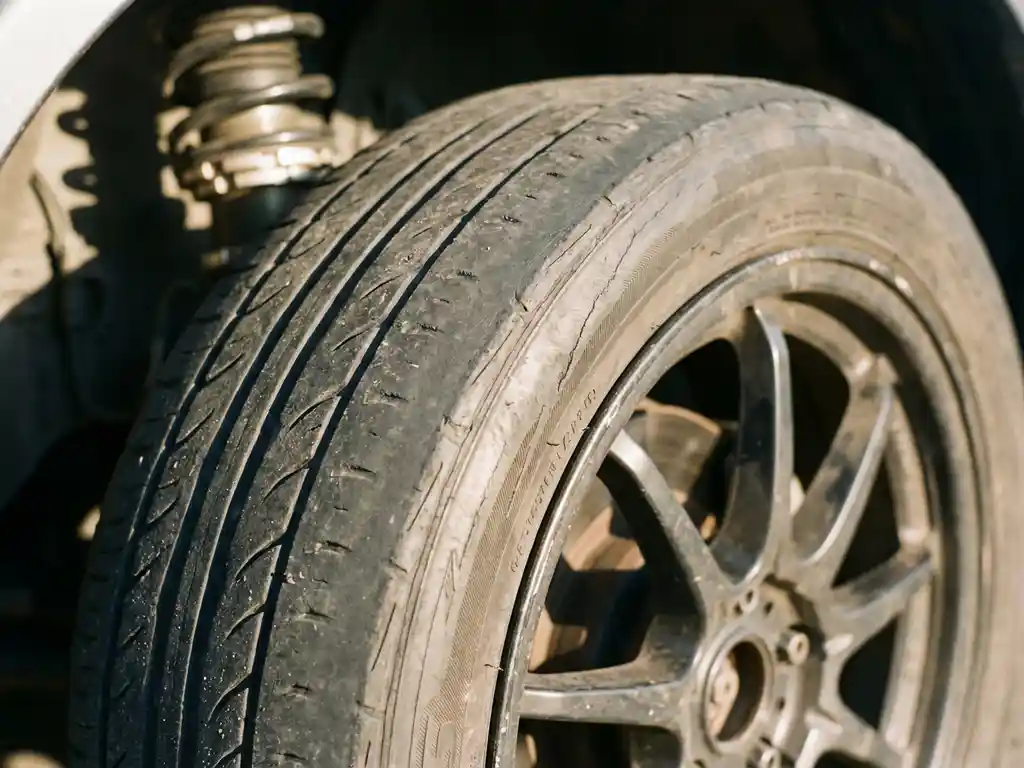
Installing coilovers can dramatically transform your car’s handling and appearance, but many drivers experience unexpected tyre wear after the upgrade. This frustrating issue often stems from changes in suspension geometry and wheel alignment that occur when lowering or adjusting your vehicle’s ride height. Understanding the relationship between suspension modifications and tyre wear is crucial for maintaining both performance and tyre longevity.
Proper suspension setup involves more than simply bolting on new components. When coilovers alter your vehicle’s geometry, several factors can contribute to accelerated tyre wear, from camber changes to incorrect ride height adjustments. Recognising these causes early can save you from costly tyre replacements and ensure your suspension upgrade delivers the intended benefits.
What causes tyres to wear excessively after coilover installation?
Excessive tyre wear after coilover installation primarily results from altered suspension geometry that changes how tyres contact the road surface. When you lower your vehicle or adjust ride height, the suspension arms move to different angles, affecting camber, toe, and caster settings that directly influence tyre wear patterns.
The most common culprit is increased negative camber, which occurs when the top of the wheel tilts inward toward the vehicle’s centre. This geometry change causes the inner edge of the tyre to bear more load during normal driving, leading to uneven wear patterns. Additionally, many coilover installations involve significant ride height changes that push suspension components beyond their optimal operating angles.
Incorrect spring preload settings can also contribute to excessive wear. When spring preload is set incorrectly during installation, it affects how weight transfers across the tyre contact patch during cornering and braking. This uneven weight distribution creates hot spots on the tyre surface, accelerating wear in specific areas rather than promoting even tread usage across the entire contact patch.
How does incorrect wheel alignment contribute to tyre wear?
Incorrect wheel alignment after coilover installation causes tyres to scrub against the road surface rather than rolling smoothly, creating excessive friction and heat that rapidly wears the tread. Even minor alignment issues can reduce tyre life by 50% or more while compromising handling and fuel efficiency.
Toe misalignment is particularly destructive to tyres. When wheels point slightly inward (toe-in) or outward (toe-out) from their intended parallel position, they drag sideways across the road surface with every rotation. This scrubbing action generates heat and wears the tread in a distinctive feathered pattern along the tyre edges.
Camber problems create their own wear patterns. Excessive negative camber concentrates vehicle weight on the inner tyre edge, while positive camber overloads the outer edge. Both conditions prevent the full tyre contact patch from engaging the road properly, reducing grip and accelerating wear. Caster angle issues, though less common, can cause steering instability that leads to irregular wear patterns as the driver constantly corrects the vehicle’s direction.
Signs of alignment-related wear
Alignment issues manifest through specific wear patterns that help identify the underlying problem. Inner edge wear typically indicates excessive negative camber, while outer edge wear suggests positive camber or aggressive cornering on underinflated tyres. Feathered wear patterns across the tread indicate toe misalignment, and cupping or scalloping suggests worn suspension components or improper balancing.
Browse Products
Shock absorbers, springs, camber plates, air jacks and more. Explore the full range.
Custom Suspension
Every shock absorber built to your exact car, discipline and driving style. Nothing off the shelf.
Get in Touch
Have a question or a specific project? Our engineers are ready to help, no obligation.
What’s the difference between normal and excessive tyre wear patterns?
Normal tyre wear appears as even tread reduction across the entire contact patch, with wear bars becoming visible simultaneously across the tyre width after many thousands of miles. Excessive wear shows up as uneven patterns, premature tread loss, or wear concentrated on specific areas of the tyre surface.
Healthy tyres wear gradually and uniformly, maintaining consistent tread depth from inner to outer edge. You should expect slight variations due to road camber and driving habits, but these differences remain minimal. Normal wear allows tyres to reach their expected mileage ratings while maintaining predictable handling characteristics throughout their service life.
Excessive wear patterns tell a different story. Inner edge wear often appears within weeks of coilover installation when alignment isn’t corrected. Outer edge wear may develop from aggressive cornering or incorrect tyre pressures. Centre wear indicates overinflation, while shoulder wear suggests underinflation or excessive negative camber from lowered suspension geometry.
Cupping or scalloping represents another form of excessive wear, creating high and low spots around the tyre circumference. This pattern typically results from worn shock absorbers, improper wheel balancing, or suspension components operating outside their designed range due to extreme ride height changes.
How can you prevent tyre wear when installing coilovers?
Preventing tyre wear during coilover installation requires careful attention to ride height adjustment, immediate wheel alignment, and proper suspension setup. Professional installation with alignment correction typically prevents most wear issues while ensuring optimal performance from your suspension upgrade.
Start with proper ride height adjustment using the principles of spring preload. Increasing spring preload raises the vehicle, while reducing preload lowers it. When helper springs are present, set their preload first before adjusting the main springs. Mark your adjustment collars to track changes and ensure both sides receive identical adjustments for balanced handling.
Tyre pressure management becomes even more critical with modified suspension. Lower ride heights often require slight pressure increases to maintain proper contact patch shape, while wider wheels may need different pressures than stock specifications. Monitor pressures weekly during the first month after installation to identify any unusual changes that might indicate alignment issues.
Consider upgrading to performance springs designed specifically for your vehicle and intended use. Quality springs matched to appropriate shock absorber valving reduce the likelihood of geometry problems that cause excessive wear while improving overall suspension performance.
Installation best practices
Professional installation ensures proper torque specifications, correct spring seating, and initial geometry checks. Many wear problems stem from DIY installations where critical details are overlooked. Even experienced mechanics should verify alignment immediately after coilover installation rather than assuming factory settings remain valid.
When should you get wheel alignment after fitting coilovers?
Wheel alignment should be performed immediately after coilover installation, ideally within the first 50 miles of driving. Any suspension modification that changes ride height or geometry requires alignment correction to prevent tyre wear and ensure proper handling characteristics.
The alignment process becomes more complex with aftermarket suspension because factory specifications may no longer apply. Your alignment shop needs to understand modified suspension geometry and may need to adjust camber, caster, and toe settings beyond stock ranges. Some extreme lowering applications require custom alignment specifications to achieve optimal tyre wear and handling balance.
Schedule a follow-up alignment check after 1,000 miles of driving. New suspension components settle during initial use, and spring preload may change slightly as components break in. This second alignment ensures everything remains within specification after the settling period and catches any issues before they cause significant tyre wear.
Consider more frequent alignment checks if you frequently adjust ride height or switch between different driving modes. Each adjustment can affect wheel alignment, and regular monitoring prevents small changes from accumulating into major wear problems.
How Intrax Racing helps with suspension setup and alignment optimisation
We specialise in custom suspension solutions that address tyre wear concerns from the design stage, ensuring your coilover setup delivers performance without compromising tyre longevity. Our nearly 50 years of motorsport experience helps us calculate optimal suspension geometry for your specific vehicle and driving requirements.
Our approach to preventing tyre wear includes:
- Custom shock absorber calculations based on your exact vehicle specifications and intended use
- Proper spring rate selection that maintains optimal suspension geometry throughout the travel range
- Detailed setup guidance for ride height adjustment and alignment specifications
- Ongoing support for suspension tuning and alignment optimisation
Every Intrax suspension system receives a unique identification number with a complete setup history, allowing us to provide specific alignment recommendations for your exact configuration. Our custom-made approach ensures your suspension works harmoniously with your vehicle’s geometry rather than fighting against it.
Ready to eliminate tyre wear issues with properly engineered suspension? Contact us to discuss your specific requirements and discover how custom suspension can deliver both performance and tyre longevity.
Browse Products
Shock absorbers, springs, camber plates, air jacks and more. Explore the full range.
Custom Suspension
Every shock absorber built to your exact car, discipline and driving style. Nothing off the shelf.
Get in Touch
Have a question or a specific project? Our engineers are ready to help, no obligation.