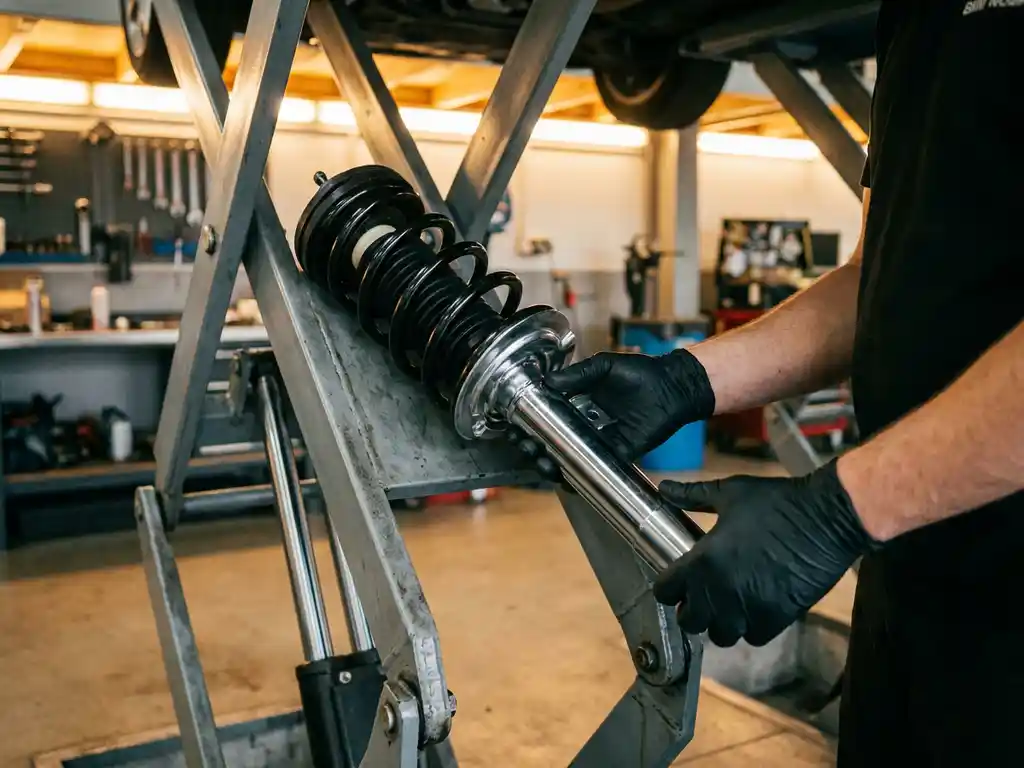
BMW suspension maintenance should follow a proactive schedule, with shock absorbers and struts inspected every 50,000 miles and typically replaced between 80,000-120,000 miles, depending on driving conditions and component quality. Regular maintenance prevents costly repairs and ensures optimal handling, safety, and ride comfort throughout your BMW’s lifespan.
BMW’s sophisticated suspension systems require more attention than basic vehicles due to their performance-oriented design and complex components. Proper maintenance not only preserves your driving experience but also protects other expensive components from premature wear caused by worn suspension parts.
How often should BMW suspension components be serviced?
BMW suspension components should be inspected every 50,000 miles, with major services performed between 80,000-120,000 miles for most models. However, performance-oriented BMWs and vehicles driven in harsh conditions may require more frequent attention, with inspections recommended every 30,000-40,000 miles.
The service schedule varies significantly based on your specific BMW model and driving patterns. M-series vehicles and sport-package BMWs typically need suspension attention sooner due to their firmer settings and performance demands. City driving with frequent stops, pothole-riddled roads, and aggressive driving styles accelerate wear compared to highway cruising.
Key maintenance intervals include checking shock absorber performance during regular oil changes, inspecting bushings and mounts annually, and monitoring ride height for any sagging. Warning signs like excessive bounce after hitting bumps, uneven tire wear, or changes in handling characteristics indicate immediate inspection is needed regardless of mileage.
What are the most common BMW suspension problems?
The most common BMW suspension problems include worn shock absorbers and struts, failing control arm bushings, damaged coil springs, and worn stabilizer bar links. These issues typically manifest as poor ride quality, excessive body roll, uneven tire wear, and unusual noises during cornering or over bumps.
Shock absorber failure represents the most frequent issue, particularly in higher-mileage BMWs. Symptoms include excessive bouncing, poor handling response, and oil leakage around the shock body. Control arm bushings deteriorate due to BMW’s performance-oriented suspension geometry, creating clunking noises and an imprecise steering feel.
Coil spring problems often develop gradually, with springs losing their tension over time or breaking completely. This results in sagging ride height, particularly noticeable when comparing front to rear or side to side. Electronic suspension systems in newer BMWs can develop additional complications, with sensors, air springs, and adaptive damping systems requiring specialized diagnosis.
Browse Products
Shock absorbers, springs, camber plates, air jacks and more. Explore the full range.
Custom Suspension
Every shock absorber built to your exact car, discipline and driving style. Nothing off the shelf.
Get in Touch
Have a question or a specific project? Our engineers are ready to help, no obligation.
How much does BMW suspension maintenance typically cost?
BMW suspension maintenance costs range from $200-500 for basic inspections and minor repairs to $2,000-4,000 for complete suspension overhauls. Individual component replacements typically cost $300-800 per corner for standard parts, while performance or adaptive suspension systems command premium pricing.
Cost factors include your specific BMW model, chosen parts quality, and labor complexity. Newer BMWs with electronic adaptive suspension systems require specialized tools and programming, increasing labor costs significantly. Geographic location also influences pricing, with major metropolitan areas typically charging 20-30% more than smaller markets.
Preventive maintenance proves more economical than reactive repairs. Regular inspections catch problems early, preventing cascade failures where one worn component damages others. Quality aftermarket parts can reduce costs while maintaining performance, though compatibility and warranty considerations require careful evaluation.
Should you use OEM or aftermarket suspension parts for BMW?
Aftermarket suspension parts often provide superior performance and value compared to OEM components for BMW vehicles, particularly when sourced from reputable manufacturers specializing in performance applications. Quality aftermarket options can enhance handling, comfort, and longevity while offering customization impossible with standard parts.
OEM parts guarantee exact fitment and maintain your BMW’s original characteristics, making them suitable for drivers prioritizing stock performance and warranty coverage. However, OEM suspension components are designed with compromises to accommodate various driving conditions, load requirements, and cost constraints that may not align with your specific needs.
The key lies in selecting aftermarket parts from established manufacturers with BMW-specific expertise. Quality aftermarket suspension allows customization for your driving style, whether prioritizing comfort for daily commuting or performance for spirited driving. Custom-engineered solutions can optimize both handling and comfort simultaneously, eliminating the traditional compromise between the two characteristics.
How do you know when BMW suspension needs replacement?
BMW suspension needs replacement when you experience excessive bouncing after hitting bumps, uneven tire wear patterns, fluid leaks around shock absorbers, or noticeable changes in handling precision. Visual inspection revealing damaged components, worn bushings, or sagging ride height also indicates replacement necessity.
Performance indicators provide clear replacement signals before complete failure occurs. Your BMW should settle quickly after hitting bumps, typically within one bounce. Continued oscillation indicates worn damping. Steering should remain precise and centered, with any wandering or pulling suggesting suspension geometry problems requiring attention.
Physical inspection reveals additional replacement indicators including cracked or torn rubber bushings, oil residue around shock bodies, and compressed or broken springs. Measuring ride height from wheel rim to fender provides objective data, with significant differences between sides or front-to-rear indicating component failure.
How Intrax Racing helps with BMW suspension maintenance
We provide comprehensive BMW suspension solutions through our custom-engineered approach, designing shock absorbers and spring systems specifically calculated for your BMW model, driving style, and performance requirements. Our nearly 50 years of motorsport experience ensures your suspension receives the same engineering attention used in Formula 1 applications.
Our BMW suspension services include:
- Custom shock absorber design based on your specific vehicle data and driving preferences
- Suspension system optimization for both performance and comfort without compromise
- Complete rebuild and upgrade services for existing suspension components
- Personalized consultation to determine optimal suspension setup for your requirements
- Lifetime support with component history tracking and future upgrade possibilities
Every suspension system we create receives a unique identification number, with complete specifications stored for future service needs. Whether you need enhanced comfort for daily driving or track-focused performance, our engineering team calculates the ideal solution for your BMW. Contact us to discuss how custom suspension engineering can transform your BMW’s performance and comfort.
Browse Products
Shock absorbers, springs, camber plates, air jacks and more. Explore the full range.
Custom Suspension
Every shock absorber built to your exact car, discipline and driving style. Nothing off the shelf.
Get in Touch
Have a question or a specific project? Our engineers are ready to help, no obligation.