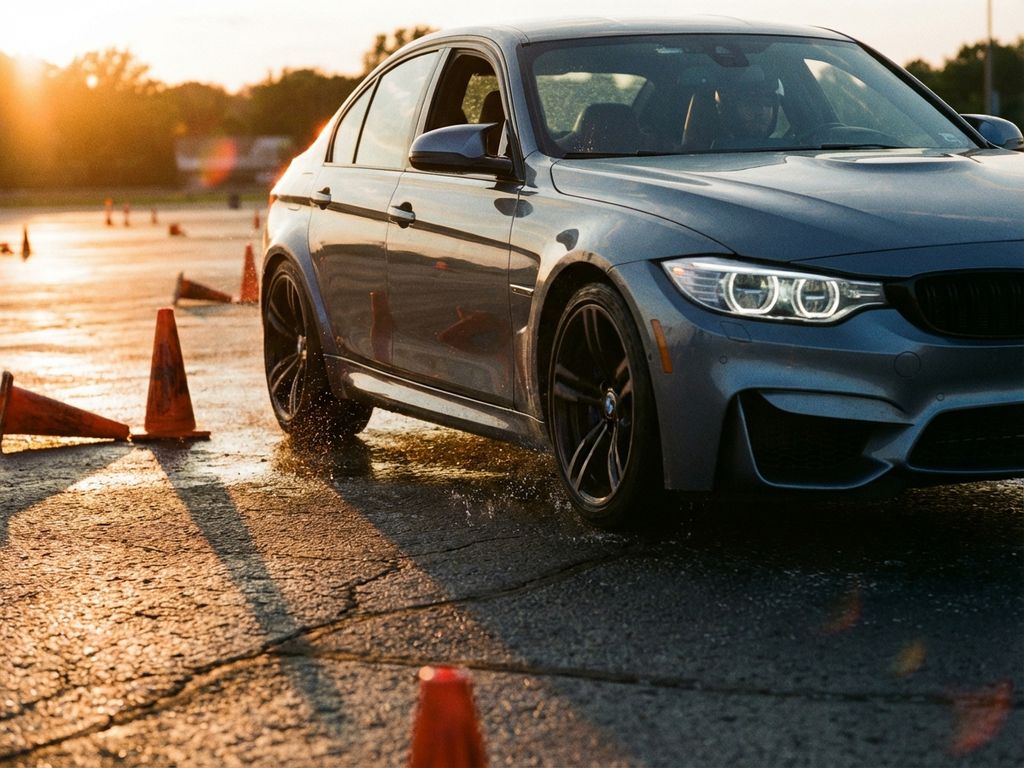
BMW understeer occurs when the front wheels lose traction during cornering, causing the car to continue straight instead of following the intended turning path. This handling characteristic can be addressed through suspension modifications, proper tyre setup, and professional tuning. Understanding the causes and solutions helps BMW drivers achieve optimal handling performance and improved cornering response.
What causes understeer in BMW vehicles and how can you identify it?
BMW understeer typically results from front tyre overload, improper suspension geometry, incorrect tyre pressures, or unfavourable weight distribution during cornering. The front wheels exceed their grip threshold whilst the rear maintains traction, creating a ploughing sensation through turns.
Common causes in BMW models include aggressive front anti roll bar settings that transfer excessive weight to the outside front wheel, worn suspension components affecting geometry, and tyre pressure imbalances. Many BMW chassis designs naturally tend toward understeer for safety reasons, particularly in standard configurations. Factory suspensions are engineered as compromises, designed to work for all drivers in all conditions worldwide from comfort seekers to performance enthusiasts, optimised for none. This broad approach often leaves enthusiasts with handling characteristics that prioritise safety margins over pure performance. Custom suspension kan ervoor zorgen dat je de auto aanpast naar de voorkeur van de bestuurder, eliminating these inherent limitations.
You can identify understeer when your BMW requires more steering input than expected during cornering, feels like it’s pushing wide through turns, or responds sluggishly to steering corrections. The sensation often becomes more pronounced during spirited driving or when carrying speed through corners. Daily driving symptoms include needing to slow down more than anticipated for roundabouts or feeling disconnected from the front wheels during parking manoeuvres.
What are the most effective suspension modifications to reduce BMW understeer?
The most effective suspension modifications include adjusting anti roll bar balance, upgrading to performance dampers, and optimising spring rates to improve front to rear grip distribution. Reducing front anti roll bar stiffness or increasing rear stiffness helps transfer load more effectively during cornering.
Custom springs allow precise tuning of weight transfer characteristics specific to your BMW’s chassis. Softer front springs or stiffer rear springs can reduce the front axle’s tendency to become overloaded during cornering. However, springs and shock absorbers work as a system, changing springs alone without matching dampers limits the potential results. Performance dampers provide better control over weight transfer timing, allowing the chassis to settle more predictably when properly matched to spring characteristics.
Adjustable coilover systems offer the most comprehensive solution, enabling fine tuning of both spring rates and damping characteristics as an integrated system. Camber plates can improve front tyre contact patches during cornering, whilst adjustable anti roll bars provide real time tuning capability. The key lies in achieving proper balance rather than simply stiffening components, as overly stiff setups can actually worsen understeer by preventing proper weight transfer. Intrax delivers complete, matched custom setups that ensure all components work harmoniously together.
How do tyre setup and alignment affect understeer in BMW cars?
Proper tyre pressure, wheel alignment specifications, and compound selection significantly influence understeer characteristics by optimising contact patch shape and grip distribution between the front and rear axles. Tyre pressure adjustments can provide immediate improvements without suspension modifications.
Reducing front tyre pressures slightly (within manufacturer guidelines) increases the contact patch and can reduce understeer, whilst increasing rear pressures can decrease rear grip to balance handling. However, pressure changes affect other characteristics like wear patterns and ride quality, requiring careful consideration.
Wheel alignment plays a crucial role through camber, toe, and caster adjustments. Increased negative camber on the front wheels improves cornering grip, whilst toe out can enhance turn in response. Caster adjustments affect steering feel and self centering characteristics. Tyre compound selection matters significantly, using grippier compounds on the front wheels or less aggressive compounds on the rear wheels can help balance grip levels.
Professional alignment should complement any suspension modifications to maximise effectiveness. The relationship between tyre setup and suspension tuning requires integrated consideration for optimal results.
When should you consider professional custom suspension tuning for your BMW?
Professional custom suspension tuning becomes necessary when basic adjustments fail to achieve the desired handling balance, or when seeking maximum performance for track or competitive driving applications. Complex chassis dynamics often require engineering expertise beyond typical DIY modifications.
Consider professional tuning when experiencing persistent understeer despite tyre and alignment adjustments, when modifications create new handling issues, or when seeking specific performance characteristics for particular driving applications. Track focused setups require different compromises than street oriented configurations.
Specialised suspension manufacturers approach BMW specific challenges by analysing individual chassis characteristics, driving requirements, and performance goals. Professional engineering considers factors like spring frequency, damping curves, anti roll bar rates, and bushing compliance as integrated systems rather than individual components, a suspension system is only as good as the weakest link between its components.
Custom solutions address the unique requirements of different BMW models, from E30s requiring period appropriate geometry to modern M cars needing track capable performance. Professional tuning provides access to advanced technologies like adjustable damping and electronic control systems that optimise performance across varying conditions.
How Intrax Racing helps with BMW understeer solutions
We specialise in developing custom suspension solutions that address BMW specific understeer challenges through precision engineering and motorsport derived expertise. Our approach focuses on creating balanced handling characteristics tailored to your specific BMW model and driving requirements, eliminating the compromises inherent in factory setups.
Our BMW understeer solutions include:
- Custom valved dampers engineered for your specific chassis and weight distribution
- Precisely calculated spring rates that optimise front to rear balance
- Adjustable anti roll bar systems for fine tuning handling characteristics
- Comprehensive suspension packages designed as integrated systems
- Technical support for setup optimisation and ongoing adjustments
With nearly 50 years of motorsport experience, we understand how to transform BMW handling characteristics whilst maintaining comfort and reliability. Get in touch to discuss how we can create a custom suspension solution that eliminates understeer and enhances your BMW’s performance potential.