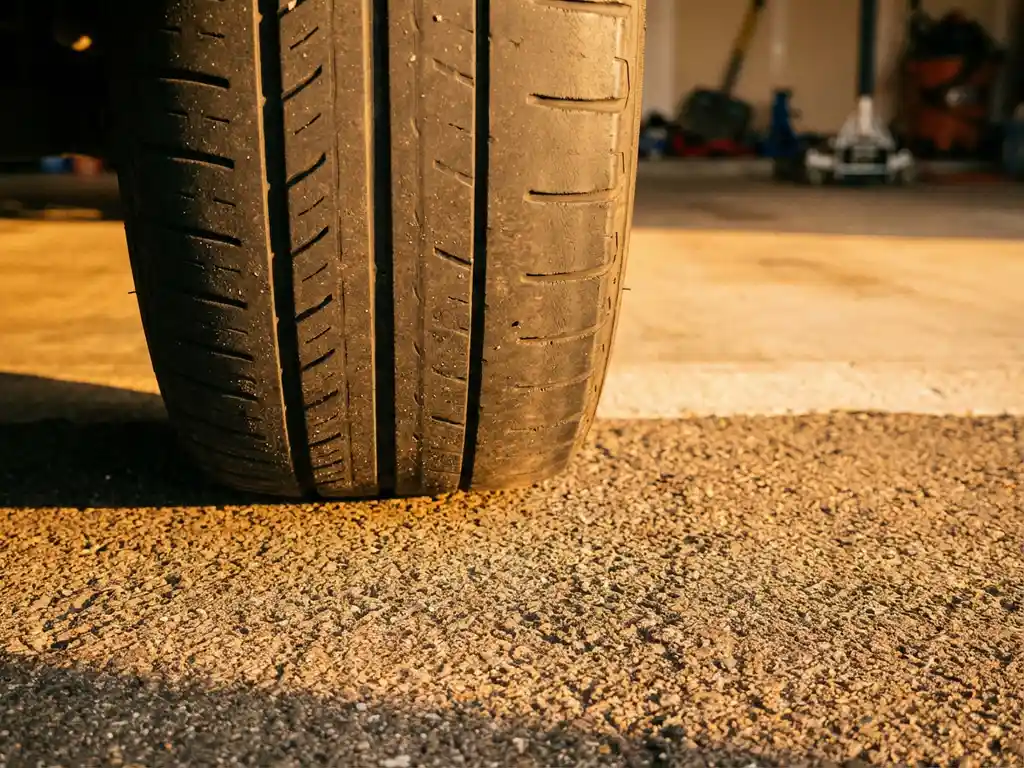
Toe alignment is one of the most critical yet often overlooked aspects of a vehicle’s suspension setup, directly affecting tire wear, handling, and safety. When your wheels aren’t properly aligned, you may notice uneven tire wear patterns, poor steering response, and potentially dangerous handling characteristics that can compromise your driving experience.
Understanding toe alignment and its effects on your tires can save you hundreds of pounds in premature tire replacements while ensuring optimal vehicle performance. Let’s explore what toe alignment means and why it matters for every driver.
What is toe alignment and why does it matter?
Toe alignment refers to the angle at which your wheels point relative to the vehicle’s centerline when viewed from above. Proper toe alignment ensures your wheels roll straight and parallel, maximizing tire contact with the road surface and preventing unnecessary scrubbing that leads to premature wear.
Toe alignment matters because it directly affects three critical aspects of your vehicle’s performance. First, it determines how evenly your tires wear, with incorrect toe causing rapid and costly tire degradation. Second, it influences your vehicle’s handling characteristics, affecting steering response and straight-line stability. Finally, proper toe alignment helps optimize fuel efficiency by reducing rolling resistance and drag caused by wheels fighting against each other.
The importance of correct toe alignment becomes evident when you consider that even a small misalignment of just a few degrees can cause your tires to scrub sideways as they roll forward. This constant friction generates heat, accelerates wear, and creates the characteristic feathering pattern seen on improperly aligned tires.
What’s the difference between toe-in and toe-out?
Toe-in occurs when the front edges of your wheels point slightly toward each other, like a pigeon’s feet, while toe-out means the front edges point away from each other. Most vehicles are set with slight toe-in for stability, though the exact specification varies by manufacturer and intended use.
A toe-in configuration provides several benefits for everyday driving. It enhances straight-line stability by creating a self-centering effect that helps the vehicle track straight without constant steering corrections. This setup also improves high-speed stability and reduces the tendency for the vehicle to wander on crowned roads or in crosswinds.
Toe-out, conversely, makes the vehicle more responsive to steering inputs and can improve turn-in response. However, excessive toe-out creates instability at highway speeds and can make the vehicle feel nervous or twitchy. Some performance vehicles use slight toe-out on the rear wheels to enhance cornering agility, but this requires careful calibration to maintain stability.
How does incorrect toe alignment cause tire wear?
Incorrect toe alignment causes tire wear by forcing the tires to scrub sideways as they roll forward, creating friction that generates heat and removes rubber from the tread surface. This scrubbing action occurs because misaligned wheels are constantly fighting against each other rather than rolling in the same direction.
The wear patterns from toe misalignment are distinctly recognizable. Excessive toe-in creates a feathering pattern in which the inside edges of the tires wear more rapidly, with the tread blocks developing a sawtooth appearance when you run your hand across them. The rubber feels smooth when you move your hand in one direction but rough in the opposite direction.
Excessive toe-out produces the opposite effect, with the outside edges of the tires wearing faster than the centers or inside edges. In severe cases, you might notice the suspension components working harder to maintain control, as the wheels are constantly pulling against each other. This increased workload can also accelerate wear on steering components and significantly reduce fuel efficiency.
What are the signs your toe alignment is off?
The most obvious signs of incorrect toe alignment include uneven tire wear patterns, steering wheel vibration, and the vehicle pulling to one side while driving straight. You might also notice increased road noise, reduced fuel economy, and a steering wheel that isn’t centered when driving straight ahead.
A physical inspection of your tires provides the most definitive evidence of toe misalignment. Look for the characteristic feathering pattern across the tread blocks, where one side of each block is worn more than the other. This creates a sawtooth feel when you run your hand across the tire surface. Additionally, measure the tread depth across the tire’s width using a tread depth gauge to identify uneven wear patterns.
Driving symptoms can also provide clear indicators of alignment issues. If your vehicle requires constant steering corrections to maintain a straight path, or if the steering wheel vibrates at certain speeds, toe misalignment may be the culprit. Some drivers notice their vehicle feels unstable at highway speeds or exhibits poor steering response during cornering maneuvers.
Browse Products
Shock absorbers, springs, camber plates, air jacks and more. Explore the full range.
Custom Suspension
Every shock absorber built to your exact car, discipline and driving style. Nothing off the shelf.
Get in Touch
Have a question or a specific project? Our engineers are ready to help, no obligation.
How often should you check your toe alignment?
You should check your toe alignment annually or every 12,000 miles, whichever comes first, as part of regular vehicle maintenance. However, you should also check alignment immediately after hitting potholes, curbs, or experiencing any suspension-related impact that could alter wheel positioning.
Regular alignment checks become more critical if you notice any of the warning signs mentioned earlier. Professional alignment equipment can detect misalignments as small as a few minutes of arc, far more precisely than visual inspection alone. Many tire shops offer free alignment checks, making it cost-effective to monitor your vehicle’s condition regularly.
Certain driving conditions can increase the need for alignment checks. If you frequently drive on rough roads, encounter construction zones, or park against high curbs, consider checking alignment every six months. Performance driving, track days, or aggressive cornering can also shift alignment settings, particularly if your vehicle has adjustable suspension components.
How Intrax Racing helps with toe alignment optimization
We understand that proper toe alignment is just one component of a comprehensive suspension setup that affects your vehicle’s performance and tire longevity. Our custom suspension solutions are engineered to maintain precise alignment specifications while delivering the handling characteristics you desire.
Our approach to alignment optimization includes:
- Custom suspension geometry calculations that account for your specific vehicle modifications and intended use
- Precision-engineered components that maintain alignment stability under various driving conditions
- Comprehensive setup guidance that ensures your alignment settings complement your suspension tuning
- Ongoing support to help you maintain optimal alignment as your driving needs evolve
When suspension components and alignment work together harmoniously, you achieve improved handling and enhanced tire longevity without compromising comfort. Contact us to discuss how our custom suspension solutions can help you achieve the perfect balance of performance, comfort, and tire preservation for your specific vehicle and driving style.
Browse Products
Shock absorbers, springs, camber plates, air jacks and more. Explore the full range.
Custom Suspension
Every shock absorber built to your exact car, discipline and driving style. Nothing off the shelf.
Get in Touch
Have a question or a specific project? Our engineers are ready to help, no obligation.