
Lowered sports car with chrome wheels on asphalt road, shot from low angle in golden hour lighting with dramatic shadows.

Does lowering your car change how it handles?

Yes, lowering your car significantly changes how it handles by lowering the center of gravity and reducing body roll during cornering. This creates a more connected, responsive driving experience with improved stability in turns. However, the quality of handling improvement depends entirely on how the lowering is executed and whether the entire suspension system is properly engineered to work together.

What exactly happens to your car’s handling when you lower it?

Lowering your car fundamentally alters vehicle dynamics by reducing the center of gravity, which decreases weight transfer during cornering and braking. This creates more even tire contact with the road surface, improving grip and reducing the tendency for your car to lean or roll through corners.

The physics behind this improvement centers on leverage and momentum. When your car sits lower, there’s less distance between the center of mass and the road surface. During cornering, this reduced leverage means less force trying to tip the car outward, resulting in flatter cornering with better tire contact. The suspension doesn’t have to work as hard to control body movement, allowing it to focus on maintaining optimal wheel positioning.

Additionally, lowered suspension typically reduces suspension travel, which can create a more direct connection between driver inputs and vehicle response. Steering becomes more immediate, and the car feels more planted, particularly during direction changes or emergency maneuvers. This enhanced road connection translates to improved confidence and control in various driving situations.

How does lowering affect different aspects of your driving experience?

Lowering impacts every aspect of driving differently depending on the situation. Daily commuting becomes more engaging with sharper steering response and reduced body movement, though ride quality may become firmer. Highway cruising benefits from improved stability at speed, with less wind induced movement and better tracking in straight lines.

Parking lot navigation presents new challenges, as reduced ground clearance requires careful attention to speed bumps, curbs, and steep driveways. The lowered stance demands more cautious approach angles to avoid scraping the front bumper or undertray. This practical consideration becomes part of daily driving habits.

Performance driving scenarios show the most dramatic improvements. Corner entry becomes more precise, with less initial body roll allowing for later braking points. Mid corner stability improves significantly, as the car maintains better contact patch consistency through sustained turns. Corner exit benefits from reduced weight transfer, allowing for earlier throttle application without upsetting the chassis balance.

Comfort levels vary depending on the lowering method chosen. Well designed systems maintain reasonable ride quality while improving handling, whereas aggressive lowering without proper damping can create a harsh, uncomfortable ride that actually compromises performance through poor wheel control.

What’s the difference between lowering springs and coilovers for handling?

Lowering springs work with your existing dampers to reduce ride height while increasing spring rates for firmer handling. However, for best results, lowering springs should be combined with properly matched shock absorbers to maintain ride quality while achieving the handling improvements. Complete coilover systems replace both springs and dampers, offering comprehensive tuning capabilities for optimal handling characteristics and adjustability for different driving conditions.

Springs alone provide a cost effective handling improvement but work within the limitations of your existing dampers. The original dampers weren’t designed for the altered spring rates and reduced travel, which can lead to compromised wheel control and premature component wear. This mismatch often results in either underdamped bouncing or overdamped harshness.

Coilover systems address these limitations by providing matched spring and damper combinations engineered to work together. The damper valving is specifically tuned for the spring rates and intended ride height, ensuring proper wheel control throughout the suspension travel. Many coilovers offer adjustable damping, allowing fine tuning for different driving styles or road conditions.

The adjustability factor distinguishes quality coilovers significantly. Height adjustment allows precise ride height setting without compromising suspension geometry. Damping adjustment enables customization for comfort versus performance preferences, making the same system suitable for both daily driving and track use.

Browse Products

Shock absorbers, springs, camber plates, air jacks and more. Explore the full range.

View all products →

Custom Suspension

Every shock absorber built to your exact car, discipline and driving style. Nothing off the shelf.

Learn about custom →

Get in Touch

Have a question or a specific project? Our engineers are ready to help, no obligation.
Contact us →

Why do some lowered cars handle worse than stock vehicles?

Poor handling in lowered cars typically results from excessive lowering that compromises suspension geometry, mismatched components that don’t work together, or inadequate damping control that creates unpredictable vehicle dynamics. These issues can make cars feel nervous, bouncy, or disconnected despite the lower stance.

Excessive lowering beyond the suspension’s design parameters alters critical geometry angles. Camber curves become aggressive, creating uneven tire wear and reduced contact patches. Anti roll bar effectiveness changes dramatically, potentially creating handling imbalances between front and rear. Bump steer increases as steering linkages operate outside their intended range.

Component mismatching creates another common problem. Installing lowering springs on worn dampers results in poor wheel control, while combining components from different manufacturers can create conflicting tuning philosophies. Springs and dampers must work in harmony for optimal results, and the suspension system stops working as a cohesive unit when components are mismatched, leading to unpredictable behavior.

Inadequate damping control manifests as bouncing, floating, or harsh impacts over bumps. Underdamped systems allow excessive wheel movement, reducing tire contact and creating an unstable feeling. Overdamped systems transmit every road irregularity harshly while preventing the suspension from following road contours properly.

Installation quality also significantly affects results. Incorrect spring preload, improper alignment settings, or failure to address related components can negate potential improvements. Professional installation with proper setup becomes crucial for achieving the intended handling benefits.

How do you achieve the best handling results when lowering your car?

Achieving optimal handling requires a systematic approach starting with custom suspension engineering that considers your specific vehicle, driving style, and performance goals. Professional installation with proper alignment and comprehensive testing ensures all components work together harmoniously for maximum performance benefit.

The foundation of excellent results begins with understanding your vehicle’s current suspension geometry and limitations. Each car responds differently to lowering, and what works for one model may not suit another. Suspension travel, spring mounting points, and existing geometry all influence the optimal approach.

Component selection should prioritize matched systems over individual parts. Quality manufacturers engineer their springs, dampers, and related components to work together, ensuring predictable, controllable results. This systematic approach eliminates the guesswork and potential incompatibilities of mixing different brands.

Professional installation becomes critical for realizing the potential benefits. Proper torque specifications, correct spring preload, and accurate alignment settings all contribute to final performance. Many handling issues stem from installation errors rather than component problems.

Post installation setup and testing allow fine tuning for optimal results. Adjustable systems benefit from systematic testing and adjustment to find the ideal balance between comfort and performance for your specific requirements.

How Intrax Racing helps with automotive suspension

We specialize in creating custom suspension solutions that deliver genuine handling improvements while maintaining the reliability and comfort you need for daily driving. Our motorsport derived engineering ensures every component works together harmoniously for optimal vehicle dynamics. Where factory engineering ends at “good enough” for the broadest audience, our custom approach begins with optimization for your specific requirements.

Our approach includes:

  • Custom engineered suspension systems designed specifically for your vehicle and driving requirements
  • Matched spring and damper combinations that eliminate common compatibility issues
  • Professional consultation to determine the optimal setup for your performance goals
  • Comprehensive suspension terminology guidance to help you understand your options
  • Quality components that provide lasting performance improvements

Rather than offering one size fits all solutions, we engineer each system to work optimally with your specific vehicle’s geometry and your driving style. This custom approach ensures you achieve the handling improvements you’re seeking without compromising reliability or daily usability. Contact us to discuss how we can help improve your car’s handling through properly engineered suspension solutions.

Browse Products

Shock absorbers, springs, camber plates, air jacks and more. Explore the full range.

View all products →

Custom Suspension

Every shock absorber built to your exact car, discipline and driving style. Nothing off the shelf.

Learn about custom →

Get in Touch

Have a question or a specific project? Our engineers are ready to help, no obligation.
Contact us →

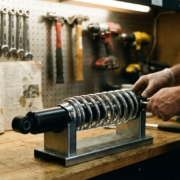
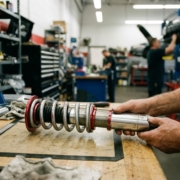
Mechanic adjusting chrome spring coil and black shock absorber on workbench with automotive tools in workshop lighting

Does it matter if springs and dampers are matched?

Yes, it absolutely matters if springs and dampers are matched. Properly paired suspension components work together to control vehicle movement, ensuring optimal handling, comfort, and safety. Mismatched spring damper pairing can lead to poor ride quality, handling problems, and premature component wear. Understanding shock absorber compatibility and suspension tuning principles helps you achieve the best performance from your vehicle’s suspension system.

What happens when springs and dampers aren’t properly matched?

Mismatched springs and dampers create a cascade of problems that affect every aspect of your vehicle’s performance. Springs and shock absorbers work as a system when one component is changed without matching the other, it limits the entire system’s effectiveness. The damper cannot properly control spring oscillations when the pairing is incorrect, leading to bouncy, unstable handling and compromised safety. Your vehicle may feel floaty over bumps, dive excessively under braking, or roll dramatically through corners.

The most immediate consequence is poor ride quality. When springs are too stiff for the damper’s valving, the suspension becomes harsh and transmits road imperfections directly to the cabin. Conversely, soft springs with firm dampers create a disconnected feeling, where the vehicle seems to fight itself over every surface change.

Handling stability suffers significantly with mismatched components. The suspension cannot maintain proper tyre contact with the road surface, reducing grip and predictability. This becomes particularly dangerous during emergency manoeuvres or adverse weather conditions, when consistent contact patch pressure is crucial for safety.

Component longevity also takes a hit. Dampers working outside their intended range experience accelerated wear, while springs may fatigue prematurely from improper load cycles. This leads to expensive replacements and potential safety risks from unexpected component failure.

How do you know if your springs and dampers are compatible?

Determining spring and damper compatibility requires checking several key specifications and understanding how they work together as a system. The primary consideration is matching the damper’s valving characteristics to the spring rate, ensuring the damper can properly control the spring’s oscillations without being over or underworked. Professional suspension tuning takes into account vehicle weight, intended use, and performance requirements.

Spring rate calculations form the foundation of proper matching. The damper must have sufficient compression and rebound control for the chosen spring rate. Too soft a damper cannot control a stiff spring, while an overly firm damper will fight against a soft spring’s natural movement. Springs and shock absorbers work as a system, so changing one without matching the other limits results.

Manufacturer recommendations provide essential guidance for compatibility. Quality suspension manufacturers specify which dampers work with particular spring rates, taking the guesswork out of component selection. These recommendations consider factors like damper stroke, mounting hardware, and valving characteristics.

Testing methods help verify proper matching in real world conditions. A properly matched setup should feel controlled without being harsh, maintain good road contact, and provide predictable handling characteristics. The vehicle should settle quickly after hitting bumps, without excessive bouncing or harsh impacts.

Browse Products

Shock absorbers, springs, camber plates, air jacks and more. Explore the full range.

View all products →

Custom Suspension

Every shock absorber built to your exact car, discipline and driving style. Nothing off the shelf.

Learn about custom →

Get in Touch

Have a question or a specific project? Our engineers are ready to help, no obligation.

Contact us →

What’s the difference between matched and unmatched suspension setups?

The difference between matched and unmatched suspension setups is immediately apparent in how the vehicle behaves on the road. Properly matched systems provide suspension performance that feels cohesive and controlled, with smooth transitions between compression and rebound cycles. Springs and dampers must work in harmony for optimal results when this relationship is compromised, the effects are immediately noticeable.

Handling dynamics vary dramatically between the two approaches. Matched suspension components work together as an integrated system, allowing the vehicle to respond predictably to steering inputs and maintain consistent contact with the road surface. The suspension moves as a unified whole, absorbing impacts while maintaining control and stability.

Unmatched setups create a disjointed feeling, where different components seem to work against each other. You might experience harsh impacts followed by excessive bouncing, or a floaty sensation that makes the vehicle feel disconnected from the road. Cornering becomes less predictable as the suspension cannot maintain consistent tyre loading.

Comfort levels differ substantially as well. Matched components provide a controlled ride that filters road imperfections appropriately for the vehicle’s intended use. Whether designed for comfort or performance, the system feels purposeful and well engineered. Unmatched components create an uncomfortable compromise that satisfies neither comfort nor performance requirements.

Why do custom suspension systems require specifically matched components?

Custom suspension systems demand precisely matched components because they’re engineered for specific applications, vehicle weights, and performance requirements. Unlike mass produced systems with broad compatibility ranges, custom suspension solutions optimise every aspect of the setup for particular use cases. Factory suspension is always a compromise designed to work for all drivers, climates, and conditions, but optimised for none. Where factory engineering ends at “good enough” for the broadest audience, custom suspension begins with eliminating those compromises through components designed to work together perfectly. Custom suspension can ensure that you adapt the car to the driver’s preference.

Engineering principles behind custom made suspension design focus on optimising the entire system rather than individual components. Every element, from spring rates to damper valving, is calculated to work together, creating a cohesive system that maximises performance within specific parameters. This integrated approach means changing one component affects the entire system’s behaviour.

Bespoke applications often push performance boundaries beyond standard component capabilities. Racing applications, classic car restorations, and specialised vehicles require suspension characteristics that standard off the shelf combinations cannot provide. Precise matching ensures the system performs reliably under demanding conditions while maintaining the specific feel and response characteristics required.

Component harmony in custom systems extends beyond basic compatibility to include factors like mounting geometry, progressive rates, and adjustment ranges. Understanding suspension terminology helps you appreciate why custom applications require such precise component relationships to achieve optimal results.

How Intrax Racing helps with suspension component matching

We specialise in creating perfectly matched suspension systems tailored to your specific vehicle and performance requirements. Our approach combines decades of motorsport engineering experience with precision manufacturing to ensure every component works in harmony with your setup. Intrax delivers complete, matched custom setups that work as an integrated system.

Our comprehensive matching process includes:

  • Detailed vehicle analysis and performance requirement assessment
  • Custom spring rate calculations based on weight distribution and intended use
  • Precise damper valving designed to complement your chosen spring rates
  • Complete system integration, ensuring all components work together optimally
  • Ongoing technical support for fine tuning and adjustments

Whether you’re building a race car, restoring a classic, or enhancing your performance vehicle, we provide the expertise and custom engineered solutions to achieve the exact suspension characteristics you need. Get in touch to discuss how we can create the perfect suspension solution for your specific application.

Browse Products

Shock absorbers, springs, camber plates, air jacks and more. Explore the full range.

View all products →

Custom Suspension

Every shock absorber built to your exact car, discipline and driving style. Nothing off the shelf.

Learn about custom →

Get in Touch

Have a question or a specific project? Our engineers are ready to help, no obligation.
Contact us →

Mechanic inspecting coilover suspension component on workbench, showing detailed spring coils and machined damper assembly

How many years do quality coilovers last?

Quality coilovers typically last 5 to 10 years under normal driving conditions, though this varies significantly based on driving habits, maintenance practices, and build quality. Performance oriented drivers may need replacements every 3 to 5 years, while well maintained systems on road cars can exceed 10 years. The lifespan depends heavily on construction materials, usage patterns, and environmental factors affecting the suspension components.

What factors determine how long quality coilovers actually last?

Several key variables significantly impact coilover lifespan, with driving conditions being the primary factor. Track use, aggressive driving, and frequent exposure to harsh road conditions accelerate wear compared to gentle motorway driving. Build quality and the materials used during manufacturing create the foundation for longevity.

The driving environment plays a crucial role in determining suspension durability. Salt exposure from winter roads causes corrosion, while dusty conditions can contaminate seals and internal components. Temperature extremes affect seal integrity and fluid viscosity, impacting performance over time.

Manufacturing quality separates long lasting systems from those requiring frequent replacement. Custom suspension systems engineered for specific applications typically outlast mass produced alternatives because they are designed with precise tolerances and appropriate materials for their intended use. Factory suspensions are engineered as compromises, one setup must work for all drivers in all conditions worldwide, optimized for none. Where factory engineering ends at “good enough,” custom suspension can ensure that you adapt the car to the driver’s preference.

Usage patterns dramatically affect wear rates. Daily commuting creates different stresses compared to weekend track sessions or off road adventures. Proper adjustment settings for your driving style help maintain optimal performance while reducing unnecessary component stress.

How do you know when your coilovers need replacement?

Warning signs of coilover wear include noticeable changes in handling characteristics, such as increased body roll, bouncing after bumps, or inconsistent ride quality. Unusual noises like knocking, squeaking, or grinding during suspension movement indicate internal component deterioration requiring attention.

Visual inspection reveals several indicators that replacement may be needed. Oil leakage around seals suggests internal wear, while visible corrosion on adjustment threads or mounting points compromises structural integrity. Bent or damaged components from impacts require immediate replacement for safety reasons.

Performance degradation becomes apparent through reduced damping effectiveness. The vehicle may feel unstable during cornering, exhibit excessive nose diving under braking, or demonstrate poor recovery from road irregularities. These symptoms indicate worn internal valving or seal deterioration.

Regular inspection schedules help identify issues before complete failure. Monthly visual checks for leaks and damage, combined with annual professional assessments, ensure optimal performance and safety. Pay attention to uneven tyre wear patterns, which often indicate suspension problems requiring investigation.

Browse Products

Shock absorbers, springs, camber plates, air jacks and more. Explore the full range.

View all products →

Custom Suspension

Every shock absorber built to your exact car, discipline and driving style. Nothing off the shelf.

Learn about custom →

Get in Touch

Have a question or a specific project? Our engineers are ready to help, no obligation.
Contact us →

What’s the difference between mass produced and premium coilovers in terms of lifespan?

Premium coilovers typically last significantly longer than mass produced alternatives due to superior materials, precision manufacturing, and robust construction methods. High quality systems often feature forged components, advanced seal technology, and corrosion resistant coatings that extend operational life under demanding conditions.

Construction quality differences become apparent through component specifications. Premium systems use hardened steel shafts, multi stage valving, and high grade seals designed for extended service intervals. These materials resist wear and maintain performance characteristics longer than basic alternatives. Springs and shock absorbers work as a system, changing one component without matching the other limits both performance and longevity. The interaction between these components determines both performance and durability.

Engineering standards vary considerably between product categories. Quality manufacturers implement rigorous testing protocols and quality control measures to ensure consistent performance. Advanced suspension technology incorporates motorsport derived innovations that enhance durability under extreme conditions.

Long term value calculations favour premium systems despite higher initial costs. Quality coilovers often provide superior performance retention over their service life, while offering rebuild options that extend usability. This approach reduces total ownership costs compared to frequent replacements of lower grade alternatives.

How can proper maintenance extend your coilover lifespan?

Regular cleaning and inspection dramatically extend coilover lifespan by preventing contamination and identifying issues early. Monthly washing removes salt, dirt, and debris that accelerate corrosion and seal wear. Proper maintenance can double the operational life of quality suspension systems.

Cleaning procedures should focus on exposed components and adjustment mechanisms. Use clean water to remove debris, followed by appropriate lubricants on adjustment threads and mounting points. Avoid high pressure washing directly onto seals, which can force contaminants into internal components.

Adjustment protocols help maintain optimal performance while preventing premature wear. Make changes gradually and document settings for consistency. Extreme adjustment positions can stress components beyond design limits, reducing longevity and performance quality.

Professional servicing provides comprehensive maintenance beyond basic cleaning. Experienced technicians can identify wear patterns, assess internal condition, and perform preventive maintenance. Many quality systems offer rebuild services that restore performance at a fraction of the replacement cost, making professional maintenance a worthwhile investment.

How Intrax Racing helps with coilover longevity

We specialise in creating custom suspension systems engineered for maximum durability and performance retention. Our motorsport derived technology and precision manufacturing ensure exceptional longevity under demanding conditions.

Our comprehensive approach to suspension longevity includes:

  • Custom engineering matched to specific vehicle and usage requirements
  • Premium materials and construction methods for extended service life
  • Detailed maintenance guidance and professional support services
  • Rebuild and refurbishment options to extend system lifespan

With nearly 50 years of motorsport experience, we understand the demands placed on suspension systems and design accordingly. Intrax delivers complete, matched custom setups where springs and dampers are engineered to work together seamlessly. Our technical team provides ongoing support to help you maximise your investment through proper maintenance and optimal setup procedures.

Browse Products

Shock absorbers, springs, camber plates, air jacks and more. Explore the full range.

View all products →

Custom Suspension

Every shock absorber built to your exact car, discipline and driving style. Nothing off the shelf.

Learn about custom →

Get in Touch

Have a question or a specific project? Our engineers are ready to help, no obligation.
Contact us →
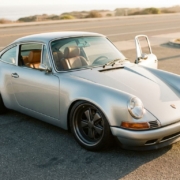
Silver Porsche 911 with open driver door showcasing leather interior and racing harnesses in modern garage

How to set up your Porsche for comfort and grip?

Setting up your Porsche for optimal comfort and grip requires understanding the unique engineering philosophy behind these iconic sports cars and making targeted adjustments to key suspension components. The key lies in finding the right balance between daily drivability and performance capability through custom suspension solutions that work with, rather than against, Porsche’s inherent characteristics. This involves prioritising shock absorbers and springs while considering your specific driving needs and vehicle usage patterns.

What makes Porsche suspension different from other sports cars?

Porsche suspension systems are engineered around the brand’s rear engine philosophy and motorsport heritage, creating unique weight distribution challenges and handling characteristics that differ significantly from those of front engine sports cars. The rear heavy weight bias requires suspension tuning that manages load transfer effectively while maintaining the trademark Porsche driving feel.

The engineering approach focuses on progressive handling characteristics that remain predictable at the limit. This philosophy stems from decades of motorsport development, during which Porsche engineers learned to work with the rear engine layout rather than fight against it. The suspension geometry is specifically designed to complement the car’s natural weight distribution, creating a setup that rewards skilled driving while remaining accessible to enthusiasts.

Understanding these fundamentals is crucial because generic suspension modifications often fail to account for Porsche’s unique requirements. The rear weight bias means that spring rates, damping curves and anti roll bar settings must be carefully calibrated to prevent the car from becoming unstable during aggressive driving or emergency manoeuvres. Factory suspension is always a compromise, designed to work for all drivers, climates, and conditions, but optimized for none.

How do you find the perfect balance between comfort and grip?

Achieving the optimal balance between comfort and grip involves understanding that these characteristics aren’t mutually exclusive when suspension components are properly matched to your driving style and vehicle usage. The key is selecting spring rates and damping settings that provide adequate body control without creating harshness over road imperfections.

Spring rates form the foundation of this balance. Softer springs generally improve comfort by absorbing road irregularities more effectively, while stiffer springs enhance body control and grip during cornering. However, the relationship isn’t linear – excessively stiff springs can actually reduce grip by preventing tyres from maintaining contact with uneven road surfaces.

Damping adjustment plays an equally important role in this equation. Modern adjustable dampers allow you to fine tune compression and rebound characteristics to match your priorities. For daily driving, softer damping settings improve comfort while maintaining adequate control. For track use or spirited driving, firmer settings provide better body control and more precise handling response.

Springs and shock absorbers work as a system – changing one component without properly matching the other limits the potential results. This is why a comprehensive approach that considers both components together is essential for achieving the desired balance.

The methodology involves starting with a baseline setup that prioritises your primary usage pattern, then making incremental adjustments based on real world feedback. This iterative approach ensures that modifications enhance rather than compromise the driving experience.

Browse Products

Shock absorbers, springs, camber plates, air jacks and more. Explore the full range.

View all products →

Custom Suspension

Every shock absorber built to your exact car, discipline and driving style. Nothing off the shelf.

Learn about custom →

Get in Touch

Have a question or a specific project? Our engineers are ready to help, no obligation.

Contact us →

What suspension components should you upgrade first for better performance?

Shock absorbers represent the most impactful first upgrade for Porsche owners seeking improved performance and comfort. High quality adjustable dampers provide the foundation for all other suspension modifications and offer the greatest return on investment by allowing fine tuning of handling characteristics without compromising daily usability.

Modern performance suspension springs should follow as the second priority upgrade. Springs work in partnership with shock absorbers to control body movement and weight transfer. The interaction between springs and damping determines how the car actually feels, making the combination of quality dampers and properly matched springs more transformative than either component alone. It’s important to note that lowering springs alone, while improving cornering performance, reduce shock absorber stroke and can hurt ride quality unless paired with matched dampers designed to work with the reduced travel.

Anti roll bars represent the third priority for most applications. These components fine tune the balance between front and rear grip, allowing you to adjust understeer and oversteer characteristics. However, anti roll bars are most effective when working with a solid foundation of quality dampers and springs.

Supporting components such as upgraded bushings, strut mounts and camber plates can further enhance performance but should generally be considered after addressing the primary suspension elements. These modifications provide incremental improvements in precision and adjustability rather than fundamental changes to vehicle behaviour.

Why does custom suspension setup matter more than off the shelf solutions?

Factory suspensions are engineered as a compromise between competing demands – they must work for comfort focused drivers and performance enthusiasts alike, in both hot and cold climates, with heavy loads and empty cars. This broad compatibility requirement means they’re optimized for no one specific use case. Factory suspension is always a compromise, designed to work for all drivers, climates, and conditions, but optimized for none. Custom suspension allows you to tailor the car entirely to the driver’s preference. Mass produced aftermarket suspension kits face similar limitations, designed to fit broad market segments rather than specific vehicles, driving styles or usage patterns.

Individual Porsche models have different weight distributions, suspension geometries and handling characteristics that require specific tuning approaches. A 911 Carrera requires different suspension settings from a 911 Turbo, even though they share similar architecture. Generic kits cannot account for these nuanced differences that significantly impact optimal setup parameters.

Driving style variations create another layer of complexity that off the shelf solutions cannot address. Track focused drivers require different characteristics from those prioritising comfort for daily commuting. Custom solutions can be tailored to emphasise the aspects most important to your specific usage pattern.

Vehicle usage patterns also influence optimal suspension setup. Cars used primarily on smooth motorways benefit from different tuning than those regularly driven on challenging country roads. Custom suspension setups can account for these real world usage scenarios that mass produced solutions ignore.

How Intrax Racing helps with Porsche suspension setup

We specialise in creating bespoke suspension solutions that eliminate the compromises inherent in factory and mass produced systems, optimising both comfort and grip for your specific Porsche model and driving requirements. Our motorsport derived engineering expertise ensures that every component is precisely calibrated to work harmoniously with your car’s unique characteristics.

Our comprehensive approach includes:

  • Custom shock absorber design matched to your vehicle’s weight distribution and intended usage
  • Precisely calculated spring rates that complement your driving style and comfort preferences
  • Adjustable damping systems that allow fine tuning for different driving scenarios
  • Complete suspension packages engineered as integrated systems rather than individual components
  • Ongoing technical support to help you achieve the optimal setup through professional guidance

Intrax delivers complete, matched custom setups where springs and shock absorbers are engineered to work together as a system, ensuring optimal performance and eliminating the limitations that come from changing individual components in isolation.

Whether you’re seeking enhanced daily comfort, improved track performance or the perfect balance between both, our custom engineering approach ensures your Porsche delivers exactly the driving experience you desire. Contact us to discuss how we can create the ideal suspension solution for your specific requirements and driving goals.

Browse Products

Shock absorbers, springs, camber plates, air jacks and more. Explore the full range.

View all products →

Custom Suspension

Every shock absorber built to your exact car, discipline and driving style. Nothing off the shelf.

Learn about custom →

Get in Touch

Have a question or a specific project? Our engineers are ready to help, no obligation.
Contact us →

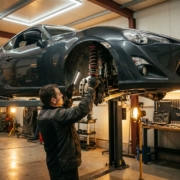
Mechanic examining coilover shock absorber on car's undercarriage in professional auto garage with hydraulic lift

Is it worth upgrading suspension on a daily driver?

Upgrading the suspension on a daily driver is absolutely worthwhile when your current system shows wear or no longer meets your driving needs. Factory suspensions are engineered as a compromise: manufacturers design one setup to work for all drivers in all conditions worldwide, from comfort seekers to performance enthusiasts, heavy loads to empty cars. This makes optimization for any single preference impossible. Modern suspension upgrades improve handling, comfort, and safety for everyday driving while maintaining reliability. The benefits include better road feedback, reduced body roll, improved braking performance, and enhanced ride quality that makes every journey more enjoyable and secure.

What are the real benefits of upgrading the suspension on a daily driver?

Suspension upgrades deliver improved handling precision, enhanced comfort, and better safety for everyday street driving. Modern suspension technology provides superior control over road imperfections while maintaining the smooth ride quality essential for daily commuting.

The handling benefits become immediately noticeable through reduced body roll during cornering, more responsive steering feedback, and improved stability at motorway speeds. Your car feels more planted and predictable, especially when navigating roundabouts or changing lanes. This enhanced control translates directly into increased driving confidence and enjoyment during routine journeys.

Comfort improvements come from better damping characteristics that absorb road irregularities more effectively. Quality suspension components reduce harsh impacts from potholes and speed bumps while minimising vibrations transmitted to the cabin. This results in less driver fatigue during longer commutes and a more refined driving experience overall.

Safety benefits include shorter braking distances due to better tyre contact with the road surface and improved vehicle stability during emergency manoeuvres. Upgraded suspension maintains optimal wheel alignment under various driving conditions, ensuring consistent performance when you need it most.

How much does it cost to upgrade the suspension for daily driving?

Daily driver suspension upgrades typically range from a moderate to a substantial investment, depending on component quality and the level of customisation. Basic improvements start with individual components, while comprehensive systems offer a complete transformation of your vehicle’s dynamics and long term value.

Entry level upgrades focusing on shock absorbers or springs provide noticeable improvements at accessible price points. These modifications address specific issues such as excessive body roll or harsh ride quality without requiring extensive changes to your vehicle.

Mid range suspension systems offer balanced performance and comfort improvements suitable for enthusiast drivers who want enhanced dynamics without compromising daily usability. These systems often include adjustable components, allowing fine tuning for different driving conditions.

Premium custom suspension solutions provide tailored performance optimised for your specific vehicle and driving requirements. These systems deliver professional grade improvements in handling, comfort, and safety while maintaining reliability for daily use.

Installation costs vary based on system complexity and whether additional components such as camber plates or upgraded bushings are included. Professional installation ensures proper setup and optimal performance from your investment.

Browse Products

Shock absorbers, springs, camber plates, air jacks and more. Explore the full range.

View all products →

Custom Suspension

Every shock absorber built to your exact car, discipline and driving style. Nothing off the shelf.

Learn about custom →

Get in Touch

Have a question or a specific project? Our engineers are ready to help, no obligation.
Contact us →

What’s the difference between performance suspension and comfort focused suspension?

Performance suspension prioritises handling precision and responsiveness, while comfort focused systems emphasise ride quality and vibration isolation. Both approaches can enhance daily driving, but they achieve different balance points between sportiness and refinement.

Performance oriented systems use firmer spring rates and more aggressive damping to reduce body movement and improve cornering ability. These setups provide excellent feedback and control, making them ideal for drivers who enjoy spirited driving or frequently navigate winding roads. However, they may transmit more road noise and feel firmer over rough surfaces.

Comfort focused suspension maintains softer characteristics that absorb road imperfections more completely while still improving upon standard systems. These setups excel at reducing driver fatigue during long commutes and provide a more luxurious feel without sacrificing basic handling improvements.

Modern suspension technology allows systems to bridge both approaches through adjustable components. Electronic or manually adjustable dampers let drivers select different settings for various conditions, providing performance capability when desired and comfort for daily driving.

The choice depends on your driving priorities and typical road conditions. Urban commuters often prefer comfort focused systems, while those who enjoy country roads may favour performance characteristics.

Which suspension components should you upgrade first on a daily driver?

Start with shock absorbers and springs, as they provide the most significant improvement in both handling and comfort for daily driving. Springs and shock absorbers work as a system: changing one without the other limits results and can create new problems. These core components directly influence ride quality, handling precision, and overall vehicle dynamics more than any other suspension elements.

Shock absorbers should be your first priority if your current ones show signs of wear such as excessive bouncing, oil leaks, or reduced damping effectiveness. Quality dampers immediately improve ride comfort and handling response while providing the foundation for any future upgrades.

Springs work in conjunction with shock absorbers to control body movement and ride height. Upgraded springs reduce excessive body roll and improve cornering stability while maintaining appropriate comfort levels for street driving. The interaction between springs and damping determines how the car actually feels and performs.

Anti roll bars represent the next logical upgrade, reducing body roll during cornering without significantly affecting ride comfort on straight roads. These components are particularly beneficial for vehicles that feel unstable during lane changes or when navigating roundabouts.

Bushings and mounting components should be considered when replacing major suspension elements, as worn bushings can compromise the effectiveness of new components. Fresh bushings ensure optimal performance and longevity from your suspension investment.

How do you know if your current suspension needs upgrading?

Your suspension needs attention when you notice excessive bouncing, poor handling response, or visible wear indicators such as oil leaks from shock absorbers. Performance issues such as increased braking distances or instability during normal driving also indicate the need for replacement or upgrades.

Physical inspection reveals obvious problems like leaking shock absorbers, broken springs, or worn bushings that allow excessive movement. Push down on each corner of your vehicle: it should return to position with minimal bouncing. Continued oscillation indicates worn dampers requiring replacement.

Handling symptoms include increased body roll during cornering, wandering steering that requires constant correction, or nose diving during braking. These issues suggest your suspension can no longer effectively control vehicle movement, compromising both safety and comfort.

Ride quality deterioration manifests as harsh impacts from minor road irregularities, excessive vibration transmitted to the cabin, or general discomfort during normal driving. When your daily commute becomes noticeably less comfortable, suspension wear is often the culprit.

Age and mileage provide general guidance, with most suspension components requiring attention after 60,000 to 100,000 miles, depending on driving conditions. However, performance degradation and comfort issues are more reliable indicators than arbitrary mileage figures.

How Intrax Racing helps with daily driver suspension upgrades

We specialise in creating custom suspension solutions that enhance daily driving through precisely engineered systems tailored to your specific vehicle and requirements. Intrax eliminates factory compromises through setups optimised for individual driving preferences rather than broad market appeal. Our motorsport derived technology ensures reliability and performance while maintaining the comfort essential for everyday use.

Our daily driver suspension services include:

  • Custom engineered shock absorbers optimised for street driving comfort and handling
  • Balanced suspension systems that improve dynamics without compromising ride quality
  • Adjustable components allowing fine tuning for different driving conditions
  • Professional consultation to determine optimal specifications for your driving needs
  • Comprehensive technical guidance throughout the upgrade process

Ready to transform your daily driving experience with professionally engineered suspension? Contact us to discuss your specific requirements and discover how custom suspension can enhance your vehicle’s performance and comfort.

Browse Products

Shock absorbers, springs, camber plates, air jacks and more. Explore the full range.

View all products →

Custom Suspension

Every shock absorber built to your exact car, discipline and driving style. Nothing off the shelf.

Learn about custom →

Get in Touch

Have a question or a specific project? Our engineers are ready to help, no obligation.

Contact us →
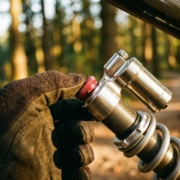
Cyclist's gloved hand adjusting mountain bike shock absorber dial with chrome details in golden sunlight on forest trail

What is adjustable damping and do you need it?

Adjustable damping allows you to modify your shock absorbers’ resistance to movement, adapting suspension characteristics to different driving conditions. This technology enables real time or manual adjustment of damping forces through mechanical, electronic, or magnetic systems. Whether you need adjustable damping depends on your driving style, vehicle usage, and desire for customisable performance between comfort and handling extremes.

What is adjustable damping and how does it work?

Adjustable damping is a suspension technology that allows you to modify the resistance your shock absorbers provide during compression and rebound. Unlike fixed damping systems, adjustable setups let you fine tune how your suspension responds to road inputs and driving conditions.

The technology works through several different mechanisms. Mechanical systems use adjustable valves or orifices that you can modify with external knobs or dials. Electronic systems employ servo motors to adjust internal valving automatically based on sensor inputs or driver selection. Magnetic systems use magnetorheological fluid that changes viscosity when exposed to electromagnetic fields, providing instant damping adjustment.

Most adjustable shocks offer separate compression and rebound adjustments. Compression damping controls how the shock absorber resists being compressed when hitting bumps or during braking. Rebound damping manages how quickly the shock extends after compression, affecting body control and wheel contact with the road surface. Springs and shock absorbers work as a system changing one component without matching the other limits results, as the interaction between springs and damping determines how the car actually feels.

What’s the difference between fixed and adjustable damping systems?

Fixed damping systems provide predetermined resistance levels that cannot be changed after manufacturing. The damping characteristics are engineered for specific applications, whether comfort oriented for daily driving or performance focused for track use. Once installed, these systems maintain consistent behaviour regardless of driving conditions or preferences.

However, factory suspension is always a compromise, designed to work for all drivers, climates, and conditions, optimized for none. Manufacturers design one setup to work for all drivers in all conditions worldwide — hot and cold climates, comfort seekers and performance enthusiasts, heavy loads and empty cars. Custom suspension ensures that the car can be tailored to the individual driver’s preferences, making optimization for individual requirements possible.

Adjustable damping systems offer variable resistance through multiple settings or continuously adjustable ranges. You can modify damping settings to suit different scenarios, from soft settings for comfort on rough roads to firm settings for aggressive cornering. This versatility allows one suspension setup to serve multiple purposes effectively.

The performance differences are significant. Fixed systems excel in their intended application but may compromise in other situations. A comfort tuned fixed setup might feel wallowy during spirited driving, while a track focused setup could be harsh for daily use. Adjustable systems bridge this gap, though they typically cost more due to additional complexity and engineering requirements.

Browse Products

Shock absorbers, springs, camber plates, air jacks and more. Explore the full range.

View all products →

Custom Suspension

Every shock absorber built to your exact car, discipline and driving style. Nothing off the shelf.

Learn about custom →

Get in Touch

Have a question or a specific project? Our engineers are ready to help, no obligation.

Contact us →

How do you know if you need adjustable damping for your vehicle?

You are likely to benefit from adjustable damping if you regularly switch between different driving scenarios or find your current suspension inadequate for varied conditions. Drivers who commute daily but enjoy weekend track events, off road adventures, or spirited canyon drives benefit most from suspension tuning flexibility.

Evaluate your driving patterns honestly. Do you want comfort for long motorway journeys but also need control for mountain roads? Does your vehicle serve multiple purposes, from family transport to weekend motorsport activities? If you find yourself wishing your suspension could be softer or firmer depending on the situation, adjustable damping addresses this need directly.

Vehicle weight changes also indicate where adjustable damping can help. Cars that frequently carry varying loads, tow trailers, or have removable components like convertible tops can optimise suspension performance for different weight distributions. Racing applications almost always benefit from adjustability to accommodate different tracks, weather conditions, and setup preferences.

What are the main benefits of adjustable damping in real world driving?

The primary advantage is adaptability to different road conditions without changing suspension components. You can soften damping for broken tarmac or gravel roads to maintain comfort and traction, then firm up the settings for smooth motorways or track driving to reduce body roll and improve handling precision.

Comfort optimisation becomes possible across various scenarios. Morning commutes might benefit from softer settings to isolate road imperfections, while evening drives on familiar roads could use firmer settings for enhanced feedback and control. This flexibility reduces the traditional compromise between comfort and performance that fixed systems require.

Performance benefits extend beyond basic comfort adjustments. Adjustable damping allows fine tuning for specific driving techniques, vehicle modifications, or changing conditions. As tyres wear, springs settle, or driving skills develop, you can adapt the suspension characteristics accordingly. This longevity and adaptability often justify the initial investment through extended usability and satisfaction.

How Intrax Racing helps with adjustable damping solutions

We specialise in custom suspension systems that incorporate advanced adjustable damping technologies tailored to your specific requirements. Our motorsport derived expertise ensures optimal performance across all adjustment ranges, from comfort focused street settings to competition ready track configurations. Intrax eliminates the compromises inherent in factory engineering through setups tailored to individual requirements.

Our adjustable damping solutions include:

  • Multi way adjustable shock absorbers with separate compression and rebound control
  • Electronic damping systems with preset modes and custom tuning capabilities
  • Remote reservoir systems for enhanced adjustability and thermal management
  • Complete suspension packages optimised for your vehicle and driving requirements

Every system we build undergoes rigorous testing and development to ensure consistent performance across the entire adjustment range. We specialise in complete, matched systems rather than individual components, as springs and shock absorbers work as a system and changing one without matching the other limits results. Intrax delivers complete, matched custom setups for optimal performance. Contact us to discuss how adjustable damping can transform your driving experience with a suspension system engineered specifically for your needs.

Browse Products

Shock absorbers, springs, camber plates, air jacks and more. Explore the full range.

View all products →

Custom Suspension

Every shock absorber built to your exact car, discipline and driving style. Nothing off the shelf.

Learn about custom →

Get in Touch

Have a question or a specific project? Our engineers are ready to help, no obligation.

Contact us →
Silver Porsche 911 with lowered stance parked on asphalt, premium leather interior visible through open door, golden hour lighting

How to lower your Porsche without ruining comfort?

Lowering a Porsche can significantly improve handling and aesthetics while maintaining excellent ride quality when done properly. The key lies in choosing the right suspension setup that balances reduced ride height with comfort preservation. Quality coilovers, progressive springs, or custom suspension solutions allow you to achieve better performance without sacrificing daily drivability. Understanding your specific model’s requirements and avoiding common mistakes ensures optimal results.

What does lowering a Porsche actually do to performance and comfort?

Lowering a Porsche reduces the centre of gravity, which improves handling dynamics by minimising body roll during cornering and enhancing overall stability. The lower stance also improves aerodynamics by reducing air flowing underneath the vehicle, creating better downforce and reduced drag. However, this modification can potentially compromise ride quality if not executed thoughtfully.

The physics behind improved cornering are straightforward: a lower centre of gravity reduces the leverage effect during lateral acceleration, allowing the car to change direction more precisely. Your Porsche will feel more planted through corners and exhibit less weight transfer during braking and acceleration. The improved aerodynamics become particularly noticeable at higher speeds, where reduced air turbulence under the car enhances stability.

The comfort trade offs typically involve reduced suspension travel and potentially firmer spring rates. When the car sits lower, the suspension has less room to absorb bumps and road imperfections. Additionally, aggressive lowering can alter suspension geometry, leading to increased tyre wear and compromised handling characteristics. It’s important to understand that factory suspension is always a compromise designed to work for all drivers, climates, and conditions, but optimized for none. For best results, lowering springs should be combined with properly matched shock absorbers to maintain ride quality while achieving the performance benefits, as springs and shock absorbers work as a system.

Which lowering methods preserve comfort while improving handling?

Adjustable coilovers offer the best balance between lowering and comfort preservation, allowing you to fine tune both ride height and damping characteristics. Quality coilover systems feature separate adjustments for compression and rebound, enabling you to maintain comfort while achieving your desired stance. Progressive springs provide another excellent option, offering softer initial rates for comfort and firmer rates under load for performance. However, it’s crucial to understand that simply installing lowering springs alone won’t deliver complete results. Lowering springs improve cornering but reduce shock absorber stroke, which can hurt ride quality unless properly matched dampers are used.

Air suspension systems represent the ultimate in versatility, allowing you to adjust ride height on demand. You can lower the car for improved handling during spirited driving and raise it for comfortable daily commuting or navigating car parks. These systems maintain excellent ride quality across all height settings when properly calibrated.

Custom suspension solutions engineered specifically for your Porsche model provide the optimal approach. These systems consider your car’s unique weight distribution, intended use, and personal preferences. Custom valving and spring rates ensure that lowering enhances rather than compromises the sophisticated suspension characteristics Porsche engineers originally designed. Since factory suspension is always a compromise designed for all drivers and conditions, a custom suspension setup allows you to tailor the car precisely to the driver’s preferences.

Electronic damping systems, such as those with magnetic or electronic control, offer real time adjustment capabilities. These systems can automatically adapt to road conditions and driving styles, providing comfort when needed and performance when demanded. The technology allows for multiple preset modes, giving you the best of both worlds.

How do you choose the right suspension setup for your specific Porsche model?

Browse Products

Shock absorbers, springs, camber plates, air jacks and more. Explore the full range.

View all products →

Custom Suspension

Every shock absorber built to your exact car, discipline and driving style. Nothing off the shelf.

Learn about custom →

Get in Touch

Have a question or a specific project? Our engineers are ready to help, no obligation.

Contact us →

Your Porsche model’s specific characteristics determine the optimal suspension approach, as different variants have unique weight distributions, suspension geometries, and performance requirements. A 911’s rear engine layout requires different considerations compared to a Boxster’s mid engine configuration or a Cayenne’s SUV platform. Understanding these fundamental differences guides your suspension choices, as factory suspension is always a compromise designed to work adequately for all conditions rather than being optimized for your specific needs.

Weight distribution plays a crucial role in suspension tuning. The 911’s distinctive rear weight bias requires careful attention to front to rear spring rate ratios and damping characteristics. Mid engine models like the Boxster and Cayman benefit from more balanced setups, while front engine models need different approaches altogether. Your suspension setup should complement rather than fight these inherent characteristics.

Intended use significantly influences the ideal setup. Track focused applications benefit from firmer spring rates and more aggressive damping, while daily drivers require softer settings that prioritise comfort. Weekend enthusiasts need systems that can adapt to both scenarios, making adjustable solutions particularly attractive.

Custom suspension engineering considers all these factors simultaneously. Professional suspension specialists analyse your specific vehicle’s geometry, weight distribution, and your driving requirements to create bespoke solutions. This approach ensures optimal performance across your intended use cases while maintaining the refined driving experience Porsche owners expect, moving beyond the factory compromise to deliver a setup optimized for your specific preferences.

What are the most common mistakes when lowering a Porsche?

Excessive lowering represents the most frequent error, where owners prioritise appearance over functionality and end up compromising both performance and comfort. Dropping a Porsche too low reduces suspension travel, creates bottoming out issues, and can damage expensive components. The optimal drop typically ranges between 15–30 mm, depending on your specific model and requirements.

Ignoring suspension geometry changes leads to poor handling and premature component wear. Lowering alters camber, caster, and toe angles, which affects tyre contact patches and steering characteristics. Without proper geometric correction through adjustable components or professional alignment, your lowered Porsche may handle worse than the original setup.

Choosing inappropriate spring rates often occurs when owners select springs based solely on ride height rather than considering their car’s weight and intended use. Springs that are too soft cause bottoming out, while overly stiff springs create harsh ride quality and reduced traction. The spring rate must match your specific vehicle’s requirements and complement the chosen dampers. This highlights why springs and shock absorbers work as a system. Changing one without matching the other limits results and can actually worsen both handling and comfort compared to the factory compromise.

Overlooking professional setup and alignment proves costly in the long run. Even the highest quality suspension components will not perform properly without correct installation and alignment. Professional setup ensures that all adjustments work together harmoniously, maximising both performance and comfort while protecting your investment in quality components.

How Intrax Racing helps with Porsche suspension lowering

We specialise in creating custom suspension solutions that perfectly balance lowering with comfort preservation for your specific Porsche model. Our motorsport derived engineering experience ensures that every system we develop enhances your car’s performance while maintaining the refined driving characteristics that make Porsche ownership special. Where factory suspension is always a compromise designed for all drivers, climates, and conditions but optimized for none, our custom approach begins with your individual requirements and delivers complete, matched custom setups.

Our comprehensive approach includes:

  • Custom spring rates and damping curves tailored to your Porsche’s weight distribution and intended use
  • Precision engineering that maintains proper suspension geometry throughout the lowered range
  • Advanced technologies including ARC®, EMC, and EHC systems for ultimate adjustability
  • Professional consultation to determine the optimal setup for your specific requirements
  • Complete support components including camber plates and alignment hardware

Our nearly 50 years of motorsport experience ensures that your lowered Porsche delivers exceptional handling without sacrificing the comfort and reliability you expect from daily driving. Intrax delivers complete, matched custom setups that work as a unified system, moving beyond the factory compromise to create suspension perfectly suited to your driving style and preferences. Get in touch to discuss how we can create the perfect suspension solution for your specific Porsche model and driving requirements.

Browse Products

Shock absorbers, springs, camber plates, air jacks and more. Explore the full range.

View all products →

Custom Suspension

Every shock absorber built to your exact car, discipline and driving style. Nothing off the shelf.

Learn about custom →

Get in Touch

Have a question or a specific project? Our engineers are ready to help, no obligation.

Contact us →
Porsche 911 cornering on mountain road with lowered suspension and performance modifications during golden hour

How do coilovers transform your Porsche driving experience?

Coilovers transform your Porsche driving experience by replacing the factory suspension with an integrated system that combines springs and dampers into a single, adjustable unit. This suspension upgrade dramatically improves handling characteristics, reduces body roll, and provides precise control over ride height and damping settings. Custom coilovers offer motorsport technology that enhances cornering stability, steering response, and overall driving dynamics for both street and track applications.

What exactly are coilovers and how do they work on a Porsche?

Coilovers are suspension systems in which the spring coils directly around the shock absorber, creating an integrated unit that replaces your Porsche’s separate spring and damper components. This design allows for precise adjustment of both ride height and damping characteristics through threaded adjustment collars and valving controls.

Unlike factory Porsche suspension setups that use separate springs and dampers, coilovers provide a more compact and adjustable solution. Factory suspensions are engineered as a compromise. Manufacturers design one setup to work for all drivers in all conditions worldwide, from comfort seekers to performance enthusiasts. This makes optimization for any single preference impossible. Coilovers eliminate these compromises by allowing every aspect of your Porsche’s suspension behaviour to be fine tuned to match your specific driving requirements.

Modern coilover systems often incorporate advanced features such as remote reservoirs for heat dissipation and adjustable damping that can be modified without removing the units from the vehicle. This makes them particularly suitable for Porsche owners who want to optimise their car’s performance for different driving conditions.

Why do coilovers dramatically improve your Porsche’s handling characteristics?

Coilovers enhance your Porsche’s handling by providing superior control over body movement, reducing roll and pitch while maintaining optimal tyre contact with the road surface. Their adjustability allows precise tuning of spring rates and damping to match your driving style and track conditions. Springs and shock absorbers work as a system. Changing one without matching the other limits results. This is why coilovers deliver complete, matched custom setups rather than individual components working against each other.

The improved cornering stability comes from the ability to lower the centre of gravity and stiffen the suspension response. This reduces body roll during aggressive cornering, allowing your Porsche to maintain better tyre contact patches and more predictable handling characteristics. The enhanced steering response results from reduced compliance in the suspension system, providing more direct feedback from the road surface to the steering wheel.

Performance handling benefits extend beyond just stiffness. Quality coilovers offer better control over weight transfer during braking and acceleration, improving traction and stability. The superior road feedback helps drivers feel exactly what the tyres are doing, enabling more confident and precise driving whether on winding country roads or race circuits.

Browse Products

Shock absorbers, springs, camber plates, air jacks and more. Explore the full range.

View all products →

Custom Suspension

Every shock absorber built to your exact car, discipline and driving style. Nothing off the shelf.

Learn about custom →

Get in Touch

Have a question or a specific project? Our engineers are ready to help, no obligation.

Contact us →

How much adjustability do modern coilovers offer for Porsche owners?

Modern coilover systems provide extensive adjustment options, including ride height changes of typically 40 to 80 mm, multiple damping settings for compression and rebound, and the ability to alter spring rates through different coil options. Advanced electronic systems add real time damping control and height adjustment capabilities.

Ride height adjustment allows you to optimise your Porsche’s stance for different applications, lowering it for track use to reduce aerodynamic drag and the centre of gravity, or raising it slightly for daily driving comfort. Damping adjustments typically offer 10 to 30 clicks of adjustment range, allowing fine tuning of how quickly the suspension responds to road inputs and weight transfer.

Electronic control systems represent the pinnacle of coilover technology, offering instant adjustment of damping characteristics through dashboard controls or smartphone apps. These systems can automatically adapt to driving conditions, providing comfort for daily use and maximum performance when spirited driving is detected. Some systems even offer GPS based adjustment, automatically configuring suspension settings for known track layouts.

What should you expect during the coilover installation process?

Professional coilover installation typically requires 6 to 8 hours of workshop time, including removal of existing suspension components, fitting of new units, and comprehensive wheel alignment. The process involves precise measurement and adjustment to ensure optimal geometry and performance characteristics.

The installation begins with safely lifting the vehicle and removing the wheels, followed by careful disconnection of existing suspension components, brake lines, and any electronic sensors. Each coilover unit must be positioned correctly and torqued to the manufacturer’s specifications, with particular attention paid to maintaining proper suspension geometry throughout the process.

After installation, professional alignment is essential to ensure your Porsche tracks straight and maintains even tyre wear. Initial setup involves setting ride height to your preferred specification and establishing baseline damping settings. A settling period of 500 to 1000 miles allows the suspension to stabilise before final adjustments are made. During this time, you may notice the ride quality changing slightly as components bed in properly.

How do you choose the right coilover setup for your specific Porsche model?

Selecting appropriate coilovers depends on your Porsche model’s weight distribution, intended use, and performance goals. Track focused setups require stiffer spring rates and more aggressive damping, while daily drivers benefit from softer settings that maintain comfort without sacrificing handling improvements. Remember that factory suspension is always a compromise, designed to work for all drivers, climates, and conditions, optimized for none. Custom suspension can ensure that you adapt the car to the driver’s preference.

Different Porsche models require specific considerations due to their unique characteristics. For instance, rear engined 911s need carefully balanced spring rates to manage weight transfer, while front engined models like the 944 or 928 benefit from different approaches to optimise their handling balance. Modern water cooled Porsches often have more sophisticated factory systems that require coilovers designed to integrate with existing electronic controls.

Compatibility with existing vehicle systems is crucial, particularly for newer Porsches with adaptive suspension or stability control systems. Quality coilover manufacturers provide specific applications that maintain these safety systems while delivering enhanced performance. Consider factors such as ground clearance requirements, local road conditions, and whether you plan to track the vehicle when making your selection.

How Intrax Racing helps with Porsche coilover solutions

We specialise in custom built coilover systems specifically engineered for Porsche applications, drawing on nearly 50 years of motorsport suspension expertise. Our approach ensures each system matches your specific model’s requirements and driving intentions through complete, matched systems rather than individual components.

Our Porsche coilover solutions include:

  • Bespoke spring rates calculated for your specific Porsche model and intended use
  • Precision valved dampers optimised for Porsche suspension geometry
  • Integration with existing electronic systems where applicable
  • Comprehensive setup guidance and technical support
  • Quality components designed for both performance and longevity

Ready to transform your Porsche driving experience with custom coilovers? Get in touch to discuss your specific requirements and discover how our motorsport suspension technology can optimise your vehicle’s performance and handling characteristics.

Browse Products

Shock absorbers, springs, camber plates, air jacks and more. Explore the full range.

View all products →

Custom Suspension

Every shock absorber built to your exact car, discipline and driving style. Nothing off the shelf.

Learn about custom →

Get in Touch

Have a question or a specific project? Our engineers are ready to help, no obligation.

Contact us →
Lowered sports car with minimal ground clearance carefully navigating steep driveway entrance, front bumper nearly scraping pavement

Is a lowered car harder to drive?

A lowered car isn’t necessarily harder to drive, but it does change how you interact with the vehicle daily. The main differences involve ground clearance challenges and altered handling characteristics. While lowered suspension can improve cornering and reduce body roll, it requires more attention when navigating speed bumps, steep driveways, and parking situations. Proper suspension setup significantly affects the overall driving experience and can minimise many potential difficulties.

What actually changes when you lower your car’s suspension?

Lowering your car fundamentally alters several key mechanical aspects that affect vehicle performance and behaviour. The most significant change is the lowered centre of gravity, which reduces body roll during cornering and creates a more planted feeling at higher speeds. This modification also changes the suspension geometry, affecting camber angles, toe settings, and the relationship between various suspension components.

The altered suspension geometry impacts how your tyres contact the road surface. When you lower a vehicle, you’re essentially changing the arc through which the suspension travels, which can affect tyre wear patterns and handling characteristics. The reduced wheel travel means your suspension has less room to absorb bumps and road imperfections, potentially transferring more road feel directly to the cabin.

These changes also affect aerodynamics, as the reduced ride height can improve airflow under the vehicle. However, the most noticeable daily impact comes from the decreased ground clearance, which fundamentally changes how you must approach certain driving situations and road conditions.

Does lowering your car make it harder to handle in everyday driving?

Lowering your car typically improves handling performance whilst creating new challenges for everyday driving situations. The reduced body roll and lower centre of gravity enhance cornering ability and provide more responsive steering feel. However, daily driving scenarios require increased awareness and different driving techniques compared to standard ride height vehicles.

Parking becomes more complex, as you must consider approach angles when entering car parks or driveways. Speed bumps require slower speeds and sometimes angled approaches to prevent scraping. The turning radius may be affected if the lowering is extreme, as tyres can contact wheel arches during full lock manoeuvres.

Urban driving presents unique challenges, particularly with kerb awareness and navigating uneven road surfaces. Many drivers find they develop a heightened sense of road conditions and obstacles, leading to more deliberate driving habits. The enhanced feedback from the road can actually improve overall driving awareness, though it requires an adjustment period.

What are the main driving challenges with a lowered vehicle?

The primary challenge with a lowered vehicle involves managing reduced ground clearance in various driving situations. Speed bumps become significant obstacles requiring careful approach angles and reduced speeds. Steep driveways, car park entrances, and fuel station forecourts often demand strategic positioning to avoid scraping the front splitter, exhaust system, or rear diffuser.

Road hazards that standard height vehicles navigate easily become problematic. Potholes, raised manhole covers, and debris require increased vigilance and sometimes route adjustments. Winter driving can be particularly challenging, as snow accumulation and ice ridges created by snowploughs can create impassable obstacles.

Loading and unloading passengers or cargo may require consideration of the vehicle’s stance. Some lowered cars experience reduced boot space or altered loading angles. Additionally, certain multi storey car parks with steep ramps or low ceiling clearances may become inaccessible, requiring alternative parking arrangements.

Browse Products

Shock absorbers, springs, camber plates, air jacks and more. Explore the full range.

View all products →

Custom Suspension

Every shock absorber built to your exact car, discipline and driving style. Nothing off the shelf.

Learn about custom →

Get in Touch

Have a question or a specific project? Our engineers are ready to help, no obligation.

Contact us →

How does suspension setup affect the driving difficulty of lowered cars?

Proper suspension setup dramatically influences how manageable a lowered car becomes for daily use. Well engineered lowering solutions with appropriate spring rates and damper settings can maintain ride comfort whilst achieving the desired stance. Poor setups often result in harsh rides, excessive road noise, and premature component wear.

Quality springs matched to appropriate dampers ensure the suspension continues to function effectively through its reduced travel range. Springs and shock absorbers work as a system, changing one without matching the other limits results. Lowering springs alone can improve cornering but reduce shock absorber stroke, which actually hurts ride quality rather than improving it. Progressive spring rates can provide comfort over small bumps whilst maintaining control during aggressive driving. Adjustable dampers allow fine tuning for different driving conditions and personal preferences.

The importance of maintaining proper suspension geometry cannot be overstated. Professional alignment after lowering ensures optimal tyre contact patches and helps prevent premature wear. Some applications benefit from adjustable suspension arms or camber plates to maintain ideal geometry throughout the suspension’s travel range.

How Intrax Racing helps with lowered car suspension challenges

We specialise in creating custom suspension solutions that address the specific challenges of lowered vehicles whilst maintaining excellent driveability. Factory suspensions are always a compromise designed to work for all drivers, climates, and conditions, which means they’re optimised for none. Custom suspension can ensure that you adapt the car to the driver’s preference. Our motorsport derived engineering ensures that lowered cars retain comfort and reliability for daily use through complete, matched setups tailored to individual requirements.

Our approach includes:

  • Custom spring rates calculated for your specific vehicle weight and intended use
  • Matched damper valving that works effectively with reduced suspension travel
  • Geometry correction components to maintain optimal wheel alignment
  • Progressive spring designs that balance comfort with performance
  • Adjustable systems allowing fine tuning for different driving conditions

With nearly 50 years of suspension expertise, we understand how to create lowered setups that minimise driving difficulties whilst maximising the benefits of reduced ride height. Intrax delivers complete, matched custom setups rather than individual components that may not work harmoniously together. Contact us to discuss how we can develop a custom suspension solution tailored to your specific vehicle and driving requirements.

Browse Products

Shock absorbers, springs, camber plates, air jacks and more. Explore the full range.

View all products →

Custom Suspension

Every shock absorber built to your exact car, discipline and driving style. Nothing off the shelf.

Learn about custom →

Get in Touch

Have a question or a specific project? Our engineers are ready to help, no obligation.

Contact us →
Lowered sports car with aggressive stance parked in modern garage with polished concrete floors and warm lighting.

Does lowering a car look better?

Lowering a car significantly improves its visual appeal by creating a more aggressive, sporty appearance. The reduced ride height eliminates the wheel to fender gap, enhances the stance, and creates cleaner proportions that make any vehicle look more purposeful and performance oriented. This aesthetic transformation explains why lowered cars consistently look better than their stock height counterparts.

What does lowering a car actually do to its appearance?

Lowering a car transforms its visual proportions by reducing the gap between the wheels and the fender wells, creating a more cohesive and planted appearance. This modification fundamentally changes how the vehicle sits on the road, making it appear wider, longer, and more aggressive than the original factory setup.

The most noticeable change occurs in the wheel to fender relationship. Stock vehicles often have significant gaps that create a disconnected look between the bodywork and the wheels. Factory suspensions are engineered as a compromise designed to work for all drivers, climates, and conditions worldwide, but optimized for none. This one size fits all approach means standard suspension is always a compromise that can’t deliver the best results for any specific driver or use case. When you reduce the vehicle height with a properly tailored setup, these gaps disappear, creating visual continuity that makes the car appear as one unified design rather than separate components.

This transformation affects the entire silhouette of the vehicle. The lowered stance creates cleaner lines from front to rear, while the reduced centre of gravity makes the car appear more stable and purposeful. The visual weight distribution shifts, making the vehicle look more connected to the road surface and less like it’s floating above it.

Why do lowered cars look more aggressive and sporty?

Lowered vehicles appear more aggressive because the reduced ride height mimics the stance of purpose built performance cars and racing vehicles. This visual connection to motorsport creates an immediate psychological association with speed, performance, and intentional design that our minds interpret as more exciting and dynamic.

The psychological principles behind this perception relate to how we interpret visual weight and stability. A lower vehicle appears more planted and stable, suggesting better handling and performance capabilities. This vehicle stance creates an impression of readiness and capability that higher vehicles simply cannot achieve.

The enhanced connection between car and road also plays a crucial role in the aggressive appearance. When a vehicle sits closer to the ground, it appears more integrated with its environment rather than sitting on top of it. This creates a sense of purpose and intentionality that makes the car look like it was designed for performance rather than just transportation.

Additionally, the cleaner lines achieved through proper lowering eliminate the visual disruption caused by excessive wheel gaps. This creates a more streamlined appearance that emphasises the car’s design elements and makes body lines appear more pronounced and purposeful.

Browse Products

Shock absorbers, springs, camber plates, air jacks and more. Explore the full range.

View all products →

Custom Suspension

Every shock absorber built to your exact car, discipline and driving style. Nothing off the shelf.

Learn about custom →

Get in Touch

Have a question or a specific project? Our engineers are ready to help, no obligation.

Contact us →

What’s the difference between properly lowered and poorly lowered cars?

Properly lowered cars maintain correct suspension geometry and use quality components like performance springs designed for the specific vehicle. However, springs and shock absorbers work as a system changing one component without matching the other limits the results you can achieve. While lowering springs can improve cornering performance, they also reduce shock absorber stroke, which can hurt ride quality unless the dampers are specifically matched to work with the new spring rates. Poorly executed lowering often involves cutting springs or using inappropriate components, resulting in compromised handling, an uneven stance, and potential safety issues that actually detract from the vehicle’s appearance.

Professional lowering considers the entire suspension system, ensuring that camber angles, toe settings, and suspension travel remain within acceptable parameters. This approach maintains the vehicle’s handling characteristics while achieving the desired aesthetic improvements. Quality components are designed to work together, providing consistent performance and appearance.

Poor lowering methods often create visual problems such as uneven ride height, excessive negative camber, or insufficient ground clearance in critical areas. These issues make the car look awkward rather than improved, defeating the purpose of the modification entirely.

The difference also extends to long term reliability and safety. Properly executed suspension lowering maintains structural integrity and component longevity, while poor methods can lead to premature wear, handling problems, and safety concerns that become apparent over time.

How much should you lower your car for the best visual impact?

The optimal lowering amount typically ranges from 25 to 50 mm for most vehicles, balancing visual improvement with practical usability. Sports cars often look best with a 30 to 40 mm reduction, while larger vehicles may benefit from slightly more aggressive lowering of 40 to 60 mm to achieve proportional improvement without compromising daily functionality.

The ideal amount depends on your vehicle’s original stance and intended use. Cars with significant wheel gaps from the factory require more aggressive lowering to achieve visual balance, while vehicles with already sporty proportions need only modest adjustments to perfect their appearance.

Practical considerations must balance aesthetic goals with real world usability. Excessive lowering can create problems with speed bumps, car parks, and general road use that make the vehicle impractical for daily driving. The sweet spot maintains car aesthetics improvements while preserving functionality.

Ground clearance becomes critical when determining lowering amounts. Most vehicles need minimum clearance for safe road use, and this varies based on your local road conditions and driving requirements. A professional assessment can determine the optimal compromise between appearance and practicality for your specific situation.

How Intrax Racing helps with suspension lowering

We specialise in custom suspension solutions that achieve the perfect balance between aesthetic improvement and performance enhancement. Factory suspension is always a compromise, designed to work for all drivers, climates, and conditions, optimized for none. Custom suspension allows you to move beyond these limitations with solutions tailored to your individual requirements. Our motorsport derived expertise ensures your lowering project delivers both visual impact and maintained functionality through properly engineered, matched component systems.

Our approach to suspension lowering includes:

  • Bespoke suspension design tailored to your specific vehicle and requirements
  • Professional geometry analysis to maintain handling characteristics
  • Quality components engineered for longevity and performance
  • Technical support throughout the installation and setup process

Whether you’re seeking subtle stance improvement or more aggressive custom-made solutions, our team can design the perfect system for your needs. Intrax delivers complete, matched custom setups that work as integrated systems rather than individual components. Contact us to discuss how we can help you achieve your ideal vehicle stance while maintaining the quality and reliability you expect from professional suspension engineering.

Browse Products

Shock absorbers, springs, camber plates, air jacks and more. Explore the full range.

View all products →

Custom Suspension

Every shock absorber built to your exact car, discipline and driving style. Nothing off the shelf.

Learn about custom →

Get in Touch

Have a question or a specific project? Our engineers are ready to help, no obligation.

Contact us →