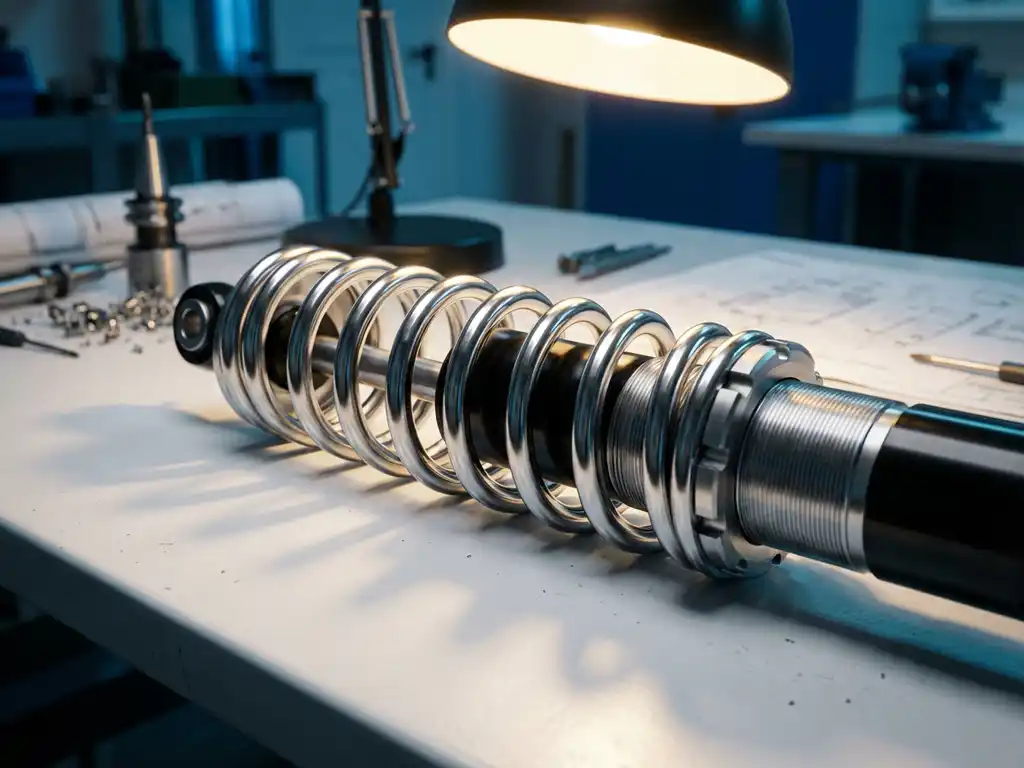
Helper springs play a crucial role in modern suspension systems, yet many car enthusiasts remain uncertain about their purpose and application. These specialized components work alongside your main springs to address specific suspension challenges that standard setups simply cannot handle effectively.
Understanding when and why you need a helper spring can transform your vehicle’s performance, comfort, and handling characteristics. Whether you’re dealing with extreme lowering requirements, varying load conditions, or seeking optimal suspension geometry, helper springs offer targeted solutions that complement your primary suspension components.
What Is a Helper Spring and How Does It Work?
A helper spring is a shorter, lighter coil spring that works in conjunction with your main spring to provide additional support and maintain proper suspension geometry throughout the shock absorber’s travel range. Unlike your main spring, which handles the primary load-bearing duties, the helper spring engages under specific conditions to enhance overall suspension performance.
Helper springs function by maintaining contact between suspension components when the main spring becomes unloaded or extends beyond its effective range. This prevents the main spring from becoming loose or disconnected during suspension travel, which can cause noise, handling issues, and potential safety concerns. The helper spring essentially fills the gap when your main spring cannot provide adequate tension.
The working principle involves the helper spring compressing first during initial suspension loading, then working together with the main spring as loads increase. When properly configured with adjustment collars, the preload on the helper spring should be set before adjusting the main spring to ensure optimal performance across all driving conditions.
When Do You Actually Need a Helper Spring?
You need a helper spring when your main spring cannot maintain proper contact throughout the suspension’s full range of motion, particularly in lowered vehicles, under varying load conditions, or when using progressive spring rates that create gaps during suspension travel.
The most common scenario requiring helper springs occurs with significantly lowered vehicles. When you lower your car beyond the main spring’s designed operating range, the spring can become loose during extension, causing rattling noises and unpredictable handling. Helper springs maintain tension and keep all components properly seated.
Vehicles with varying load conditions also benefit from helper springs. If your car experiences dramatic weight changes between empty and loaded states, helper springs help maintain consistent suspension geometry regardless of load. This ensures predictable handling whether you’re driving solo or with passengers and cargo.
Racing applications frequently require helper springs when using very stiff main springs optimized for track performance. These high-rate springs may not provide adequate support under low-load conditions, making helper springs essential for maintaining suspension control at lower speeds and during parking maneuvers.
What’s the Difference Between Helper Springs and Main Springs?
Helper springs are shorter, lighter, and have lower spring rates than main springs. They are designed to provide supplementary support rather than primary load-bearing capacity. Main springs support the vehicle’s weight and handle the primary suspension duties, while helper springs address specific geometric and operational challenges.
The fundamental difference lies in their roles within the suspension system. Main springs determine your vehicle’s ride height, spring-rate characteristics, and primary handling behavior. They’re engineered to support the vehicle’s weight and provide the desired balance between comfort and performance based on your specific requirements.
Helper springs, conversely, focus on maintaining proper suspension geometry and component contact. They typically feature much lower spring rates and shorter compressed lengths, allowing them to work without significantly altering the main spring’s characteristics. This design ensures they provide support when needed without interfering with normal suspension operation.
Installation positioning also differs significantly. Main springs occupy the primary spring-perch locations and determine overall suspension geometry. Helper springs are installed in secondary positions, often using specialized mounting hardware or integrated designs that allow them to function independently while complementing the main spring’s operation.
How Do Helper Springs Affect Your Car’s Performance?
Helper springs improve suspension performance by preventing spring separation, reducing noise, maintaining consistent geometry, and ensuring predictable handling characteristics across all driving conditions, without significantly altering your main spring’s rate or behavior.
The performance benefits manifest most noticeably in handling consistency. Without helper springs, loose main springs can create unpredictable suspension behavior during direction changes, braking, and acceleration. Helper springs maintain constant component contact, ensuring your suspension responds predictably to driver inputs and road conditions.
Noise reduction represents another significant performance improvement. Loose springs can create rattling and clunking sounds that not only affect driving comfort but also indicate potential component wear. Helper springs eliminate these noises by maintaining proper component positioning and preventing metal-to-metal contact during suspension travel.
Ride-quality benefits emerge from improved suspension-geometry control. When main springs become loose, suspension geometry can change unpredictably, affecting wheel alignment and contact-patch consistency. Helper springs preserve optimal geometry throughout the suspension’s operating range, maintaining tire contact and vehicle stability.
How Intrax Racing Helps with Helper Spring Solutions
We specialize in creating custom suspension solutions that integrate helper springs seamlessly with your main suspension components. Our approach involves calculating the exact helper spring specifications based on your vehicle’s requirements, intended use, and specific modifications.
Our helper spring solutions include:
- Custom spring-rate calculations matched to your main spring characteristics
- Precise length specifications for optimal geometry maintenance
- Integration with our adjustment collar systems for easy tuning
- High-quality materials and manufacturing to ensure long-term reliability
- Complete documentation and setup instructions for proper installation
Whether you’re building a track-focused setup, restoring a classic vehicle, or optimizing a daily driver with specific requirements, our engineering team calculates helper spring specifications that complement your main springs perfectly. Contact us today to discuss your specific helper spring needs and discover how custom suspension engineering can transform your vehicle’s performance. Get in touch with our suspension specialists to explore your options.