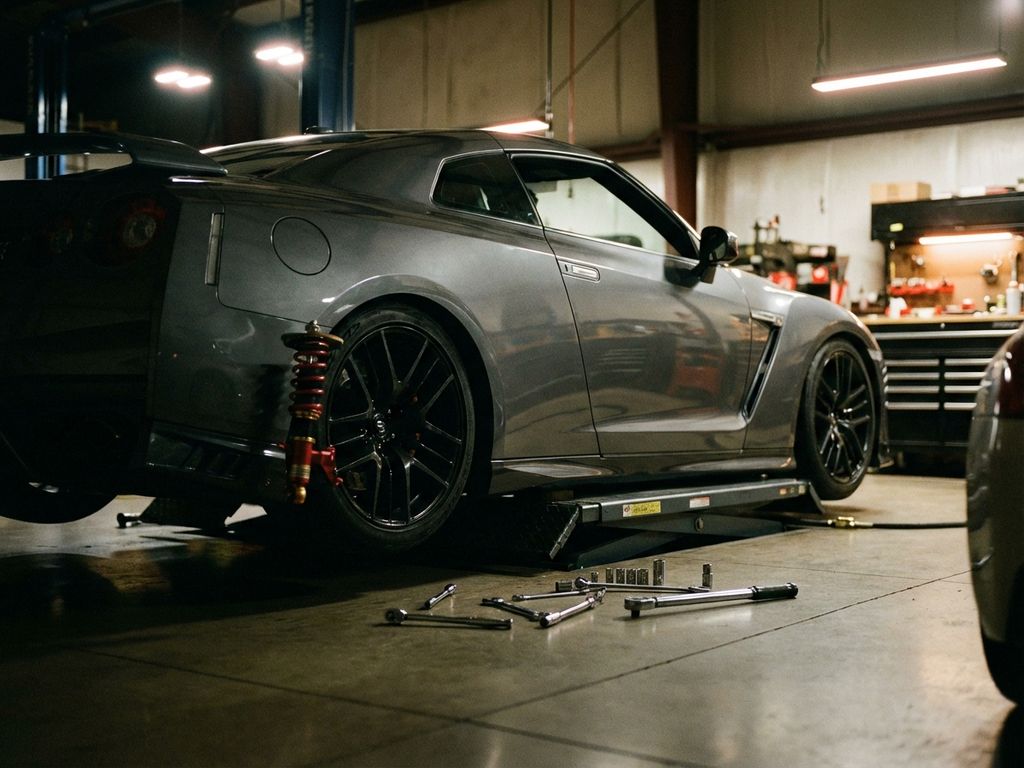
Yes, you can make your car lower through several proven methods, including lowering springs, coilovers, air suspension systems, and custom suspension solutions. Lowering a car reduces the distance between your vehicle’s chassis and the ground, improving both aesthetics and handling performance. The key is choosing the right method for your specific vehicle and intended use while maintaining proper suspension geometry.
What does it mean to lower a car and why do people do it?
Lowering a car involves reducing the ride height of your vehicle by modifying the suspension system to bring the chassis closer to the ground. This modification changes the vehicle’s stance and can significantly impact both appearance and performance characteristics.
The aesthetic benefits are immediately noticeable. A lowered car creates a more aggressive, sporty appearance that many enthusiasts find appealing. The reduced wheel gap between the tyre and wheel arch gives vehicles a more purposeful, performance oriented look that stands out from standard factory heights.
From a performance perspective, lowering your car’s centre of gravity improves handling dynamics. The reduced body roll during cornering enhances stability and creates a more connected driving experience. This is why many motorsport applications utilise lowered suspension setups to maximise performance potential.
However, the modification requires careful consideration of the balance between style and functionality. Excessive lowering can compromise ride quality, increase the risk of scraping on speed bumps or driveways, and potentially affect suspension component longevity. The goal is to find the optimal height that delivers your desired aesthetic whilst maintaining practical usability for your driving needs.
What are the different methods to make your car lower?
Several vehicle lowering methods are available, each offering different advantages depending on your budget, performance requirements, and desired level of adjustability. The most common approaches range from simple spring replacements to sophisticated electronic systems.
Lowering springs represent the most straightforward approach to car height adjustment. These replacement springs are shorter than factory components and typically feature stiffer spring rates. They offer a cost effective solution for moderate drops of 25–50 mm whilst maintaining the original dampers. However, lowering springs improve cornering but reduce shock absorber stroke, which can hurt ride quality. For best results, lowering springs must be paired with properly matched shock absorbers, as springs and dampers work as a system and changing one without matching the other limits results.
Coilover systems provide a comprehensive solution, combining adjustable dampers with matching springs in a complete matched system. These systems allow precise height adjustment and often include damping adjustments for fine tuning ride characteristics. Coilovers offer excellent performance potential because springs and dampers work in harmony for optimal results.
Air suspension systems deliver the ultimate in versatility, allowing drivers to adjust ride height on demand. These systems can provide multiple height settings, from practical daily driving positions to extremely low show stances. The complexity and cost are higher, but the flexibility is unmatched.
Custom suspension solutions offer bespoke engineering tailored to specific vehicles and applications. These systems are designed around individual requirements, ensuring optimal geometry and performance characteristics for your particular setup and intended use.
How much can you safely lower your car without damaging it?
Safe lowering limits depend on your vehicle’s original suspension design, intended use, and local road conditions. Most vehicles can accommodate moderate drops of 25–40 mm without significant compromises, whilst more aggressive lowering requires careful consideration of various factors.
Suspension geometry plays a crucial role in determining safe lowering limits. Excessive drops can alter camber angles, affect steering geometry, and place additional stress on components like CV joints and tie rods. These changes can lead to premature wear and potentially compromise vehicle safety if not properly addressed.
Ground clearance requirements vary based on your driving environment. Urban areas with smooth roads may accommodate lower ride heights, whilst rural locations with poor road surfaces, speed bumps, or steep driveways require more conservative approaches. Consider your daily driving routes when determining an appropriate ride height.
Maintaining proper suspension function is paramount throughout the lowering process. The suspension must retain adequate travel to handle road imperfections without bottoming out. Additionally, components like brake lines, exhaust systems, and undertray panels must clear the ground and moving suspension parts.
Professional assessment becomes essential for significant drops exceeding 50 mm. Proper suspension geometry may require additional modifications such as adjustable control arms or camber correction components to maintain optimal alignment and handling characteristics.
What should you consider before lowering your vehicle?
Lowering a vehicle requires careful evaluation of multiple factors to ensure the modification meets your expectations whilst maintaining practicality and safety. Your vehicle type, intended use, and local regulations all influence the best approach for your situation.
Consider your vehicle’s primary purpose and driving patterns. Daily drivers require different compromises than weekend sports cars or show vehicles. Factory suspension is always a compromise, designed to work for all drivers, climates, and conditions, but optimized for none. Custom suspension can ensure that you adjust the car to the driver’s preference, whether that’s frequent motorway travel, city driving with speed bumps, or rural roads with poor surfaces.
Budget considerations extend beyond the initial modification cost. Quality components and professional installation ensure proper function and longevity. Additionally, lowered vehicles may experience increased tyre wear, requiring more frequent replacements, and potential impacts on fuel economy due to altered aerodynamics.
Local regulations and MOT requirements must be considered, as excessive modifications can affect vehicle legality. Insurance implications should also be discussed with your provider, as suspension modifications typically require disclosure and may affect premiums or coverage.
The impact on ride quality varies significantly between different lowering methods and quality levels. While some increase in firmness is normal, excessive harshness can make daily driving uncomfortable. Understanding the suspension terminology and characteristics helps in making informed decisions about your modification approach.
How Intrax Racing helps with car lowering solutions
We specialise in creating bespoke suspension solutions that deliver the perfect balance between aesthetics and performance for your specific vehicle and requirements. Our motorsport derived expertise ensures your lowering project achieves optimal results whilst maintaining safety and functionality. Springs and shock absorbers work as a system, and Intrax delivers complete, matched custom setups rather than individual components that may not work optimally together.
Our comprehensive approach includes:
- Custom suspension design tailored to your vehicle’s specific geometry and intended use
- Professional consultation to determine optimal lowering amounts for your driving needs
- High quality components engineered for long term reliability and performance
- Technical support throughout the installation and setup process
- Adjustable solutions allowing fine tuning of ride height and handling characteristics
Whether you’re seeking subtle improvements for daily driving or significant modifications for track use, our custom solutions ensure your lowered vehicle maintains proper suspension function whilst delivering the aesthetic and performance benefits you desire. Contact us to discuss your specific requirements and explore how we can create the perfect lowering solution for your vehicle.