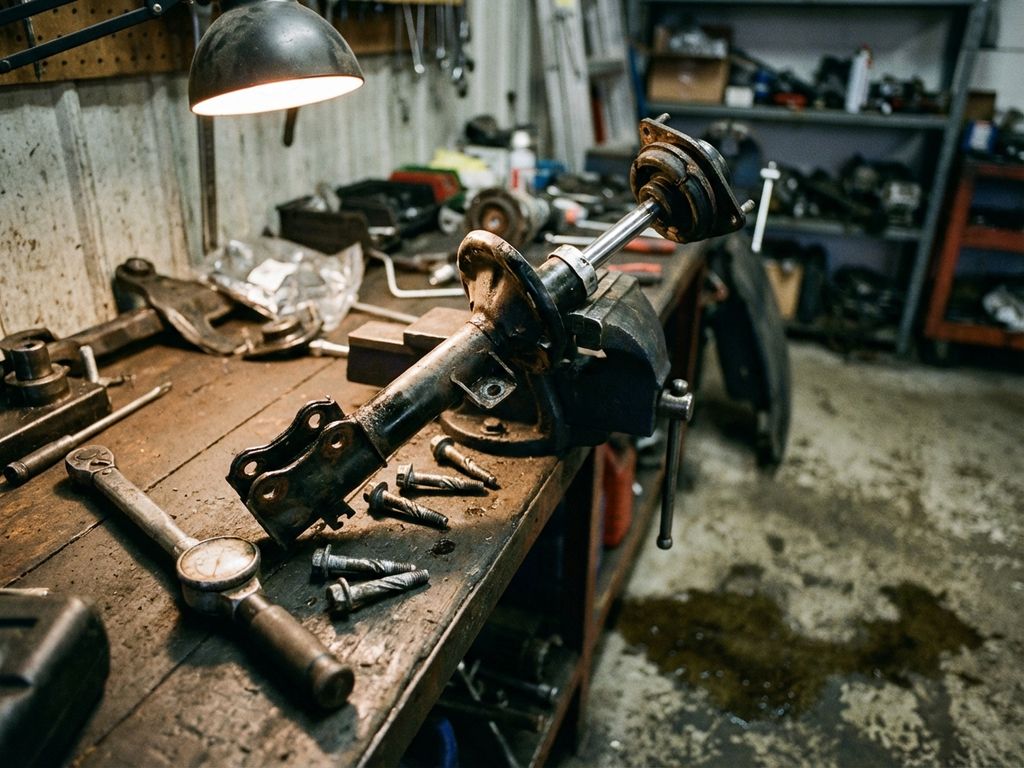
Suspension upgrade mistakes can turn what should be a performance enhancement into an expensive disappointment. Common errors include mismatched components, incorrect spring rates, poor installation, and extreme tuning settings that compromise both comfort and performance. Understanding these pitfalls helps you avoid costly modifications that make your car worse than stock while ensuring your investment delivers the intended improvements.
What are the most expensive suspension upgrade mistakes that ruin performance?
The costliest suspension upgrade mistakes involve mismatched components and incorrect spring rates that create handling imbalances and premature wear. Installing springs without matching dampers, choosing the wrong spring rates for your vehicle’s weight, and mixing components from different manufacturers can result in thousands of pounds of wasted investment while compromising safety and performance.
Mismatched spring and damper combinations represent one of the most expensive errors. When you install lowering springs without upgrading to appropriate dampers, the original shock absorbers cannot control the new spring rates effectively. While lowering springs can improve cornering, they reduce shock absorber stroke, which hurts ride quality. This mismatch leads to poor handling, increased body roll, and rapid component failure. Springs and shock absorbers work as a system; changing one without matching the other limits results and creates new problems.
Poor quality parts selection creates another costly mistake. Choosing components based solely on price rather than engineering quality often results in premature failure, requiring complete replacement within months. Quality suspension components may cost more initially, but they provide better performance, a longer lifespan, and superior safety characteristics.
Installation mistakes compound these problems significantly. Incorrect torque specifications, improper alignment settings, and failure to replace worn bushings during installation can damage new components and surrounding systems. These errors often require complete reinstallation and additional repairs to correct the cascading damage.
Why do most people choose the wrong suspension components for their needs?
Most people choose inappropriate suspension components because they follow generic recommendations without considering their specific vehicle requirements and driving needs. Factory suspensions are engineered as a compromise; manufacturers design one setup to work for all drivers in all conditions worldwide, which means they’re optimized for none. Ignoring factors like vehicle weight, intended use, and driving style leads to purchasing components that don’t match actual requirements, resulting in poor performance and wasted money.
Following online forum advice without understanding the context creates significant problems. What works for a track focused sports car won’t suit a daily driver that requires comfort and practicality. Many enthusiasts copy setups from racing applications without considering that extreme performance modifications often sacrifice comfort and reliability.
Marketing claims often mislead buyers who lack technical knowledge. Advertisements promising “improved handling and comfort” rarely explain the trade offs involved in suspension modifications. Understanding suspension terminology helps you evaluate claims more critically and make informed decisions.
Vehicle specific requirements often get overlooked when buyers focus on universal solutions. Each car has unique suspension geometry, weight distribution, and handling characteristics that require specific component specifications. Ignoring these factors leads to modifications that work against your vehicle’s design rather than enhancing it.
Browse Products
Shock absorbers, springs, camber plates, air jacks and more. Explore the full range.
Custom Suspension
Every shock absorber built to your exact car, discipline and driving style. Nothing off the shelf.
Get in Touch
Have a question or a specific project? Our engineers are ready to help, no obligation.
How can improper suspension installation damage your entire vehicle?
Improper suspension installation creates cascading damage throughout your vehicle’s systems, affecting tyres, brakes, steering components, and chassis integrity. Installation errors like incorrect alignment, improper torque specifications, and failure to replace worn components during an upgrade can cost thousands in additional repairs while creating dangerous handling characteristics.
Incorrect wheel alignment following suspension modifications causes rapid tyre wear and handling problems. When installers fail to properly align the vehicle after lowering or changing suspension geometry, tyres wear unevenly and steering becomes unpredictable. This seemingly minor oversight can require new tyres within months and create safety hazards.
Brake system damage occurs when suspension modifications alter brake line routing or create clearance issues. Stretched brake lines, interference with brake components, and changed weight transfer characteristics can compromise braking performance and create dangerous situations requiring expensive repairs.
Chassis stress increases when suspension modifications change load paths and stress distribution. Improper installation can create stress concentrations that lead to chassis cracking, particularly around mounting points and suspension pickup locations. These structural issues often require extensive repairs and may compromise vehicle safety permanently.
What suspension tuning mistakes make your car worse than stock?
Extreme suspension tuning settings often make cars worse than the standard compromise setup by sacrificing balanced performance for perceived improvements in single areas. Standard suspension is always a compromise designed for general use rather than specific performance needs. Common mistakes include maximum stiffness settings, improper damping adjustments, and ignoring the relationship between different suspension components, resulting in harsh ride quality without meaningful performance gains.
Maximum stiffness settings represent a common tuning error. Many enthusiasts believe stiffer always means better, but excessive spring rates and damping can reduce tyre contact with the road surface, particularly on uneven surfaces. This reduces grip and makes the car less predictable than the original setup.
Ignoring component balance creates handling problems that didn’t exist with stock suspension. When front and rear suspension modifications don’t complement each other, the result can be unpredictable handling characteristics like sudden oversteer or excessive understeer that make the car dangerous to drive. The interaction between springs and damping determines how the car actually feels.
Poor damping adjustments waste the potential of quality suspension components. Setting dampers too soft eliminates control, while excessive stiffness prevents the suspension from working effectively. Finding the correct balance requires understanding how damping affects different driving conditions and vehicle behaviour.
How Intrax Racing helps with suspension upgrade success
We help you avoid costly suspension upgrade mistakes through our custom-made approach that matches components precisely to your vehicle and driving requirements. Where factory engineering ends at “good enough,” a truly custom suspension setup allows you to tailor the car’s behaviour to your exact preferences as a driver. Intrax delivers complete, matched custom setups that work as integrated systems. Our expertise prevents the common errors that waste money and compromise performance:
- Vehicle specific component matching that ensures proper spring rates and damping characteristics
- Professional consultation to understand your actual driving needs rather than perceived requirements
- Quality engineering that eliminates premature failure and compatibility issues
- Comprehensive support throughout the installation and tuning process
Our motorsport derived expertise helps you achieve your performance goals without the expensive mistakes that plague many suspension upgrades. Contact us to discuss your specific requirements and ensure your suspension investment delivers the performance and reliability you expect.
Browse Products
Shock absorbers, springs, camber plates, air jacks and more. Explore the full range.
Custom Suspension
Every shock absorber built to your exact car, discipline and driving style. Nothing off the shelf.
Get in Touch
Have a question or a specific project? Our engineers are ready to help, no obligation.