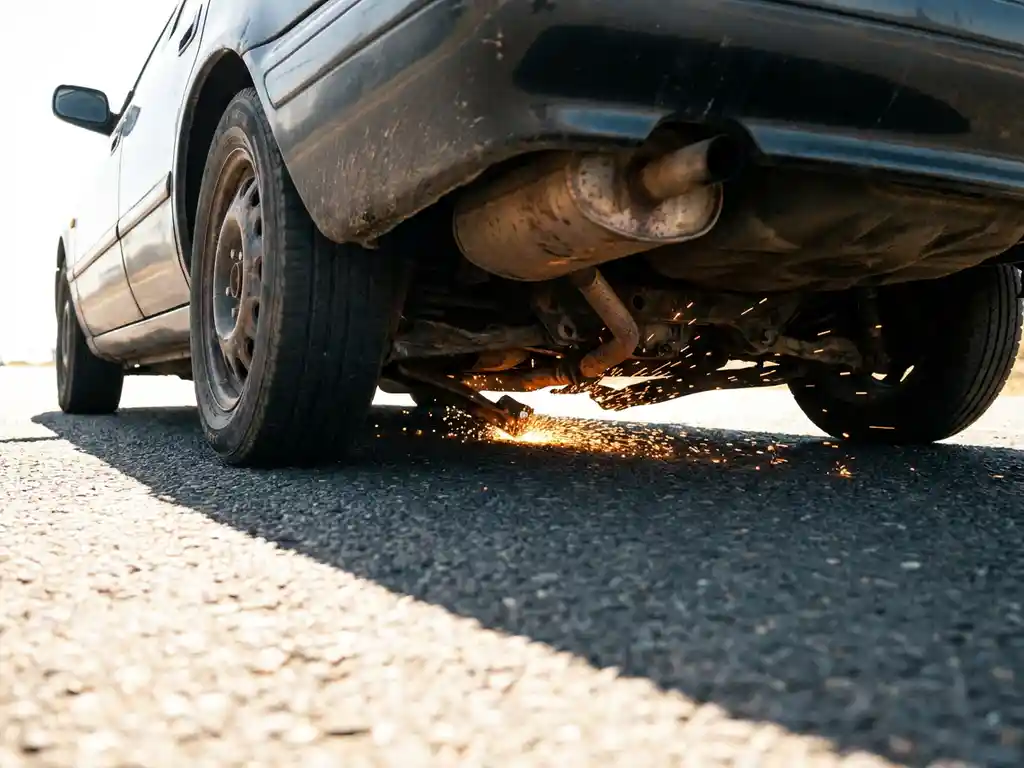
Yes, bottoming out can damage your car’s suspension system, particularly the shock absorbers, springs, and mounting components that absorb the impact when suspension travel reaches its limit. The severity of the damage depends on how hard and how frequently the suspension bottoms out, but even occasional severe impacts can cause immediate component failure or accelerate wear.
When suspension bottoms out, metal components slam together with tremendous force, creating stress points that weren’t designed to handle such impacts. This mechanical shock can bend, crack, or completely destroy suspension parts, leading to compromised vehicle safety and handling performance.
What exactly happens when your suspension bottoms out?
Suspension bottoming out occurs when the shock absorber or strut reaches the end of its compression travel and can no longer absorb impacts, causing metal components to make direct contact. This happens when the suspension system encounters forces greater than its designed capacity to handle.
During normal operation, your suspension system compresses gradually as springs and shock absorbers work together to absorb road impacts. However, when you hit a large pothole, speed bump, or dip at high speed, the suspension compresses beyond its intended range. At this point, the shock absorber piston reaches the bottom of its cylinder, and further compression forces the suspension components to make hard contact with each other.
The impact creates a distinctive, harsh thud or clunking sound, often accompanied by a jarring sensation felt throughout the vehicle. This metal-on-metal contact bypasses all the cushioning mechanisms your suspension was designed to provide, transferring the full force directly to the vehicle’s chassis and occupants.
What parts of your suspension get damaged from bottoming out?
Shock absorbers and struts suffer the most damage from bottoming out, as they bear the brunt of the impact when suspension travel is exhausted. The sudden stop can damage internal seals, bend piston rods, or crack the shock body itself.
Several critical components face potential damage during bottoming out incidents:
- Shock absorber internal components: Seals can rupture, causing fluid leaks, while pistons may become damaged or bent
- Piston rods: Can bend or break under extreme compression forces
- Springs: May crack, break, or lose their temper from excessive compression
- Mounting hardware: Bushings, bolts, and brackets can crack or become loose
- Bump stops: These protective rubber components often tear or compress permanently
- Dust boots: Protective covers around shock rods frequently tear during severe bottoming out
The damage often cascades through the system. When one component fails, it places additional stress on the remaining parts, potentially leading to multiple component failures over time.
How can you tell if bottoming out has damaged your suspension?
Visible fluid leaks around shock absorbers, unusual noises during driving, and changes in vehicle handling are the primary indicators that bottoming out has damaged your suspension system. These symptoms typically appear immediately after severe impacts or develop gradually following repeated bottoming out incidents.
Watch for these specific warning signs:
- Fluid leaks: Oil stains or wet spots around shock absorbers indicate internal seal damage
- Unusual noises: Clunking, rattling, or squeaking sounds during normal driving
- Poor handling: Vehicle feels unstable, bouncy, or difficult to control
- Uneven tire wear: Premature or irregular tire wear patterns
- Vehicle sits lower: One corner or the entire vehicle appears lower than normal
- Excessive bouncing: Vehicle continues bouncing after hitting bumps
- Harsh ride quality: Road impacts feel more severe than before
A simple bounce test can help identify damaged shocks. Push down firmly on each corner of your vehicle and release. If the car bounces more than once before settling, the shock absorbers may be damaged.
Browse Products
Shock absorbers, springs, camber plates, air jacks and more. Explore the full range.
Custom Suspension
Every shock absorber built to your exact car, discipline and driving style. Nothing off the shelf.
Get in Touch
Have a question or a specific project? Our engineers are ready to help, no obligation.
What causes suspension to bottom out repeatedly?
Worn suspension components, incorrect ride height settings, and driving habits are the primary causes of repeated suspension bottoming out. Vehicles with lowered suspensions or heavy loads are particularly susceptible to this problem.
Mechanical causes
Several mechanical factors contribute to frequent bottoming out. Worn shock absorbers lose their ability to control spring movement effectively, allowing excessive compression during impacts. Springs that have sagged or lost their spring rate cannot support the vehicle’s weight properly. Incorrect ride height adjustments, whether from aftermarket modifications or improper maintenance, reduce available suspension travel.
Driving and load factors
Aggressive driving over rough roads, speed bumps, or parking lot entrances at excessive speeds frequently causes bottoming out. Overloading the vehicle with passengers or cargo reduces suspension travel and increases the likelihood of reaching compression limits. Poor road conditions, including deep potholes and severe dips, can overwhelm even healthy suspension systems.
How much does it cost to repair bottoming out damage?
Suspension repair costs from bottoming out damage typically range from moderate component replacements to extensive system overhauls, depending on which parts are affected and the severity of the damage. Multiple component failures often result from severe bottoming out incidents, increasing overall repair expenses.
Repair costs vary significantly based on several factors:
- Component replacement: Individual shock absorbers or struts represent the most common repair need
- Labor complexity: Some vehicles require extensive disassembly to access suspension components
- Vehicle type: Luxury and performance vehicles typically have higher part costs
- Damage extent: Multiple component failures increase total repair costs
- Quality level: Aftermarket, OEM, or performance replacement parts affect pricing
Additional costs may include wheel alignment, which is often necessary after suspension repairs, and diagnostic time to identify all damaged components. Preventive maintenance and quality replacement parts typically prove more economical than repeated repairs of damaged components.
How do you prevent your suspension from bottoming out?
Maintaining proper ride height, avoiding aggressive driving over rough surfaces, and ensuring your suspension components are in good condition are the most effective ways to prevent bottoming out. Regular suspension maintenance and appropriate driving habits significantly reduce the risk of damage.
Implement these prevention strategies:
- Regular maintenance: Inspect and replace worn suspension components before they fail
- Proper ride height: Ensure your vehicle maintains adequate ground clearance
- Careful driving: Approach speed bumps, dips, and rough roads at appropriate speeds
- Load management: Avoid overloading your vehicle beyond its capacity
- Quality components: Use properly designed suspension parts for your vehicle and driving needs
Understanding your vehicle’s limitations helps prevent bottoming out incidents. Vehicles with sport suspensions or lowered ride heights require more careful attention to road conditions and driving speeds.
How Intrax Racing helps with suspension bottoming out solutions
We specialize in custom suspension solutions that address bottoming out issues while maintaining optimal performance and comfort. Our nearly 50 years of motorsport experience enables us to design suspension systems that handle extreme conditions without compromising daily drivability.
Our approach to preventing bottoming out includes:
- Custom shock absorber design: We calculate optimal damping characteristics for your specific vehicle and driving requirements
- Proper ride height optimization: Our engineers determine the ideal balance between appearance and functional suspension travel
- Spring rate calculations: We match spring rates to your vehicle’s weight, intended use, and performance goals
- Complete system integration: Every component works together to prevent bottoming out while enhancing handling
Whether you’re dealing with repeated bottoming out issues or want to prevent them entirely, our custom suspension solutions provide the durability and performance you need. Contact us to discuss how we can design a suspension system that eliminates bottoming out while delivering the driving experience you want.
Browse Products
Shock absorbers, springs, camber plates, air jacks and more. Explore the full range.
Custom Suspension
Every shock absorber built to your exact car, discipline and driving style. Nothing off the shelf.
Get in Touch
Have a question or a specific project? Our engineers are ready to help, no obligation.
Related Articles
- What are the benefits of electronic car suspension?
- How to adjust suspension for a lowered or lifted car?
- Is an upside-down MacPherson worth it for your car?
- How do I know if my shocks are worn out after lowering?
- How do you maintain performance suspension?
- Can you lower your car and still have a comfortable ride?