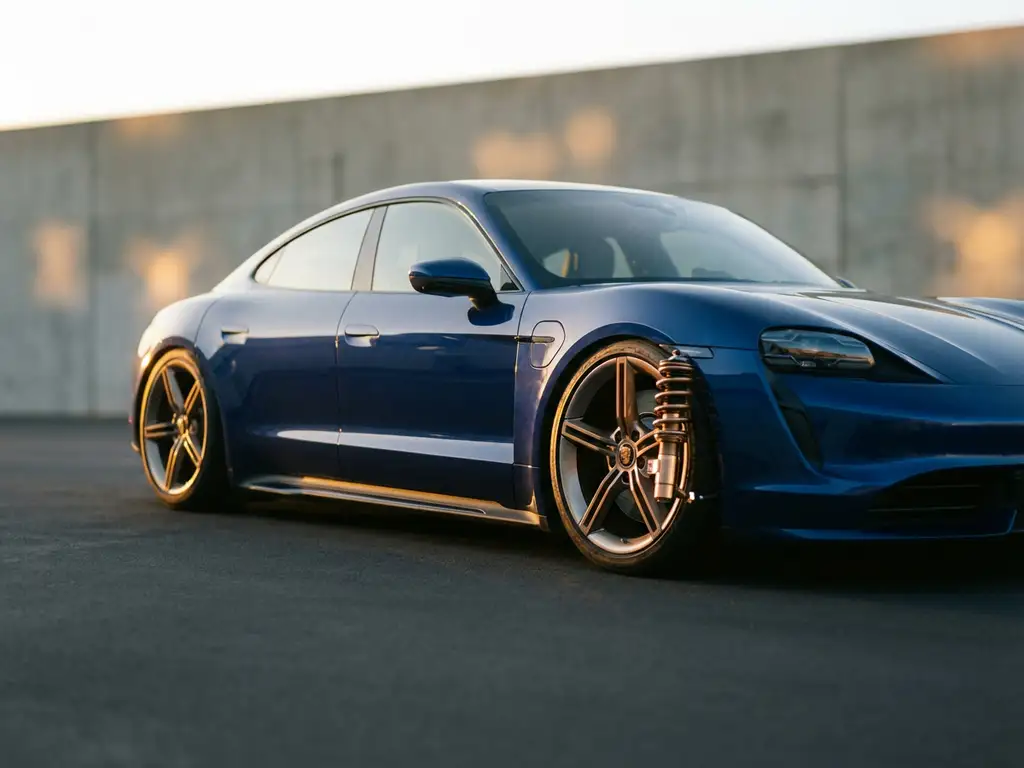
Electric vehicles have revolutionized the automotive industry, but many EV owners wonder whether suspension modifications affect their carefully engineered efficiency. Lowering an electric car has become increasingly popular for aesthetic and performance reasons, yet the impact on driving range remains a common concern among enthusiasts.
Understanding how suspension changes interact with an electric vehicle’s complex systems helps you make informed decisions about modifications while maintaining optimal performance and efficiency.
Does lowering an electric car reduce its driving range?
Lowering an electric car typically reduces driving range by 2–8%, primarily due to changes in aerodynamic efficiency and rolling resistance. The exact impact depends on how much the vehicle is lowered, the quality of the suspension components, and driving conditions.
When you lower an electric vehicle, several factors contribute to range reduction. The altered ride height changes airflow patterns underneath the vehicle, potentially disrupting the carefully engineered aerodynamics that manufacturers design for maximum efficiency. Additionally, lowered vehicles often experience increased tire wear and rolling resistance, especially if the suspension geometry is compromised.
However, the range impact varies significantly based on implementation quality. Professional suspension modifications that maintain proper geometry and use high-quality components minimize efficiency losses compared with aggressive lowering using budget parts. The driving environment also matters, as highway driving amplifies aerodynamic effects, while city driving emphasizes changes in rolling resistance.
How does lowering affect an electric car’s aerodynamics?
Lowering an electric car can improve aerodynamics by reducing frontal area and ground clearance, which can reduce the drag coefficient. However, aggressive lowering can disrupt underbody airflow patterns specifically designed for EV efficiency, potentially negating these benefits.
Electric vehicles feature sophisticated underbody panels and aerodynamic elements engineered to optimize airflow and reduce drag. When you lower the vehicle moderately—typically 20–40 mm—you can often achieve better aerodynamic performance by bringing the car closer to the ground and reducing air turbulence around the wheel wells.
Excessive lowering creates problems by altering the angle at which air enters and flows under the body. This disruption can increase turbulence and reduce the effectiveness of aerodynamic features such as diffusers and air dams. The optimal amount of lowering maintains the intended airflow patterns while improving overall aerodynamic efficiency through reduced frontal area and improved ground effect.
What suspension modifications impact EV efficiency the most?
Spring changes and ride-height adjustments have the greatest impact on EV efficiency, followed by damper settings and wheel-alignment changes. Proper spring selection maintains vehicle geometry while achieving the desired lowering, minimizing efficiency losses.
Spring modifications directly affect how weight transfers during acceleration, braking, and cornering. In electric vehicles, maintaining proper weight distribution is crucial because it influences tire contact patches and rolling resistance. When springs are too stiff or improperly matched to the vehicle’s weight distribution, uneven tire wear increases energy consumption.
Damper settings also play a critical role in efficiency. Overly stiff damping can cause the tires to lose contact with road irregularities, increasing rolling resistance and reducing regenerative-braking effectiveness. Conversely, insufficient damping allows excessive body movement that disrupts aerodynamic flow and wastes energy through unnecessary suspension motion.
Wheel-alignment changes resulting from lowering can dramatically impact efficiency. Increased negative camber, altered toe settings, and modified caster angles all influence tire-wear patterns and rolling resistance, directly affecting range.
Browse Products
Shock absorbers, springs, camber plates, air jacks and more. Explore the full range.
Custom Suspension
Every shock absorber built to your exact car, discipline and driving style. Nothing off the shelf.
Get in Touch
Have a question or a specific project? Our engineers are ready to help, no obligation.
How much range loss should you expect from lowering an electric car?
Most properly executed lowering modifications result in a 3–5% range reduction under normal driving conditions, with aggressive modifications potentially causing 8–12% losses. Highway driving typically shows larger impacts than city driving due to aerodynamic factors.
The range impact varies based on several measurable factors. Moderate lowering of 20–30 mm with quality suspension components typically produces minimal range loss, often within 2–4%. This small reduction comes primarily from slightly altered aerodynamics and minor changes in rolling resistance.
More aggressive lowering of 40–60 mm increases the range impact to 5–8% as suspension-geometry changes become more pronounced. Beyond 60 mm of lowering, range losses can exceed 10% due to compromised aerodynamics, increased tire wear, and suboptimal suspension geometry that forces the drivetrain to work harder.
Driving patterns significantly influence these numbers. Highway speeds amplify aerodynamic effects, making range losses more noticeable during long-distance travel. City driving with frequent stops and starts tends to show smaller range impacts because aerodynamic factors matter less at lower speeds.
Can proper suspension tuning minimize range impact in lowered EVs?
Professional suspension tuning can reduce the range impact of lowering modifications by 40–60% through optimized spring rates, proper damping, and maintained suspension geometry. Custom suspension solutions can preserve efficiency while achieving the desired performance and aesthetics.
Proper tuning begins with calculating appropriate spring rates for the modified ride height. When springs are correctly matched to the vehicle’s weight distribution and intended use, they maintain optimal tire contact and minimize energy waste from excessive suspension movement. This precision approach prevents the dramatic efficiency losses associated with poorly matched components.
Damping adjustments play an equally important role in maintaining efficiency. Professional tuning ensures dampers control suspension movement without being overly restrictive, allowing tires to maintain contact with road surfaces while preventing energy-wasting oscillations. This balance preserves both ride quality and regenerative-braking effectiveness.
Maintaining proper suspension geometry through quality components and professional installation prevents alignment issues that cause excessive tire wear and rolling resistance. When suspension modifications preserve the intended relationship between suspension arms, steering components, and wheel positioning, efficiency losses remain minimal.
How Intrax Racing helps with electric vehicle suspension optimization
We specialize in creating custom suspension solutions that minimize range impact while achieving your desired lowering goals. Our approach combines nearly 50 years of motorsport experience with specific expertise in electric-vehicle requirements.
Our custom suspension solutions for electric vehicles include:
- Precisely calculated spring rates that maintain optimal weight distribution and tire contact
- Custom damping curves designed to preserve regenerative-braking effectiveness
- Geometry-preserving designs that minimize alignment changes and tire wear
- Range-optimized tuning that balances performance goals with efficiency requirements
Every suspension system we build takes into account your specific vehicle data, driving patterns, and performance goals to create a solution that maximizes both satisfaction and efficiency. Rather than accepting the compromises of off-the-shelf components, our custom approach ensures your lowered electric vehicle maintains optimal range while delivering the performance and appearance you desire.
Ready to optimize your electric vehicle’s suspension without sacrificing range? Contact our engineering team to discuss your specific requirements and discover how custom suspension technology can help you achieve your goals.
Browse Products
Shock absorbers, springs, camber plates, air jacks and more. Explore the full range.
Custom Suspension
Every shock absorber built to your exact car, discipline and driving style. Nothing off the shelf.
Get in Touch
Have a question or a specific project? Our engineers are ready to help, no obligation.