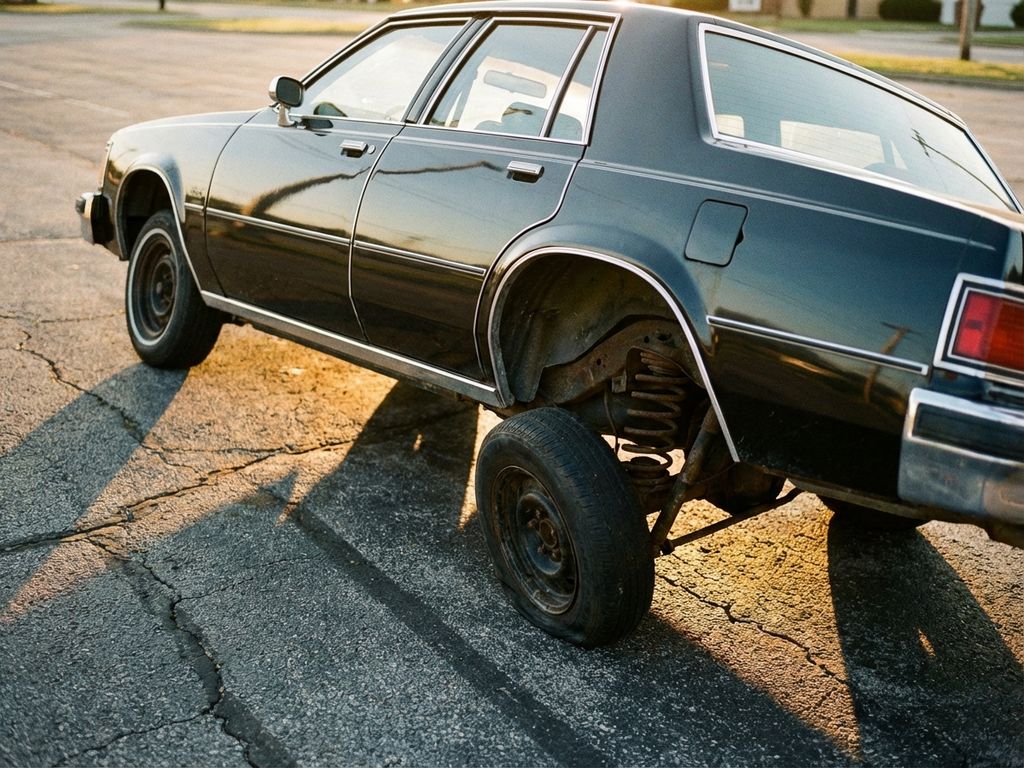
Soft suspension creates noticeable handling problems that affect both safety and performance. You’ll experience excessive body roll during cornering, bottoming out over bumps, poor steering response, and longer braking distances. These symptoms indicate your suspension system isn’t providing adequate damping control. Understanding these warning signs and their causes helps you identify when professional assessment or suspension adjustment is needed.
What are the warning signs that your suspension is too soft?
Excessive body roll during cornering, frequent bottoming out over bumps, delayed steering response, and increased braking distances are the primary indicators of overly soft suspension. Your vehicle will feel unstable and unpredictable, particularly when changing direction or encountering road irregularities.
Body roll becomes particularly noticeable when taking corners at normal speeds. The vehicle leans significantly to one side, creating an uncomfortable sensation and reducing driver confidence. This excessive movement occurs because the shock absorbers aren’t controlling the spring compression and rebound effectively. Springs and shock absorbers work as a system. Changing one without matching the other limits results. When one component fails to perform, the entire system becomes compromised, which is why Intrax delivers complete, matched custom setups rather than individual component solutions.
Bottoming out happens when your suspension compresses fully, causing the chassis to contact the bump stops or even the road surface. This typically occurs over speed bumps, potholes, or when carrying additional weight. The harsh impact you feel indicates the suspension has reached its travel limit too easily.
Steering response becomes sluggish and imprecise with soft suspension. There’s often a noticeable delay between steering input and vehicle response, making precise manoeuvres difficult. The car may feel disconnected from the road, reducing overall driving confidence and control.
Braking distances can increase because soft suspension allows excessive weight transfer to the front wheels during deceleration. This reduces the effectiveness of the rear brakes and can cause the front end to dive dramatically, affecting overall stopping performance.
How does overly soft suspension affect your vehicle’s safety and performance?
Soft suspension compromises vehicle stability by allowing excessive body movement that reduces tyre contact with the road surface. This affects braking effectiveness, cornering ability, and overall predictability, creating potential safety risks during emergency manoeuvres or adverse weather conditions.
Vehicle handling deteriorates significantly when suspension becomes too soft. The reduced control over body movement means your tyres struggle to maintain consistent contact with the road surface. This inconsistent contact reduces the grip available for acceleration, braking, and cornering.
Braking performance suffers because excessive weight transfer overwhelms the front suspension whilst reducing load on the rear wheels. The front tyres may struggle with the increased load, whilst the rear tyres lose contact pressure, reducing overall braking effectiveness.
Tyre wear patterns become uneven with soft suspension. Excessive body movement causes irregular loading across the tyre contact patch, leading to premature wear on specific areas. You might notice increased wear on the outer edges or irregular patterns that reduce tyre life.
Emergency handling becomes unpredictable with soft suspension settings. Quick lane changes or sudden braking can cause excessive body movement that overwhelms the suspension’s ability to control the vehicle. This delayed response can be dangerous in emergency situations requiring immediate vehicle control.
What causes suspension systems to become too soft over time?
Worn shock absorbers, degraded internal seals, fluid leaks, and weakened springs are the primary causes of suspension becoming too soft. Normal wear from mileage and age gradually reduces the damping force, whilst component failures can cause sudden changes in suspension characteristics.
Shock absorber wear occurs gradually through normal use. Internal seals deteriorate, allowing damping fluid to bypass the valving system. This reduces the shock’s ability to control spring movement effectively. High mileage, aggressive driving, and poor road conditions accelerate this wear process.
Fluid leaks represent a common failure mode in hydraulic shock absorbers. External leaks are visible as oil residue around the shock body, whilst internal leaks aren’t immediately apparent. Both types reduce damping effectiveness and contribute to suspension problems.
Spring degradation happens over time as the metal fatigues from repeated compression and extension cycles. Springs gradually lose their ability to support the vehicle’s weight properly, contributing to a softer overall suspension feel.
Environmental factors like road salt, moisture, and temperature extremes accelerate component degradation. Corrosion weakens metal components, whilst temperature cycling affects seals and fluid properties. Regular exposure to harsh conditions reduces suspension component lifespan.
How do you know if your suspension needs adjustment or replacement?
Professional assessment through bounce tests, visual inspection, and road testing determines whether your suspension requires adjustment, repair, or replacement. Visible fluid leaks, excessive vehicle movement during testing, and handling complaints indicate the need for immediate attention from qualified technicians.
Visual inspection reveals obvious problems like fluid leaks, damaged components, or worn mounting points. Check around each shock absorber for oil residue, examine springs for breaks or sagging, and look for worn bushings or loose connections. These visible signs often indicate immediate replacement needs.
The bounce test provides a simple assessment method. Push down firmly on each corner of your vehicle and release. The suspension should return to its normal position with minimal bouncing. Excessive oscillation indicates worn shock absorbers requiring replacement.
Road testing reveals handling characteristics that indicate suspension condition. Pay attention to body roll during cornering, braking dive, acceleration squat, and overall ride quality. Compare current performance to how the vehicle handled when new or recently serviced.
Professional diagnostic equipment can measure damping force and identify specific component failures. Qualified technicians can determine whether suspension tuning adjustments might resolve issues or if component replacement is necessary for proper performance restoration. Remember that springs and shock absorbers work as a system. Addressing worn elements individually limits effectiveness, so replacing matched components together delivers optimal results.
How Intrax Racing helps with suspension optimisation
We specialise in creating custom suspension solutions that address soft suspension problems through precision engineering and motorsport derived technology. Our approach ensures optimal damping characteristics tailored to your specific vehicle and driving requirements. Factory suspension is always a compromise. Manufacturers design one setup to work for all drivers, climates, and conditions worldwide, optimized for none. Custom suspension can ensure that you adapt the car to the driver’s preference, eliminating these inherent compromises through setups tailored to individual requirements.
Our custom suspension services include:
- Comprehensive suspension analysis and performance assessment
- Bespoke shock absorber design with precise damping characteristics
- Advanced adjustable systems including Anti Roll Control (ARC®) technology
- Complete suspension system integration for optimal vehicle dynamics
- Ongoing technical support and tuning guidance
Whether you’re experiencing soft suspension issues or seeking enhanced performance, our nearly 50 years of motorsport experience ensures solutions that deliver precise control and optimal ride quality. Contact us to discuss how custom suspension engineering can transform your vehicle’s handling characteristics.