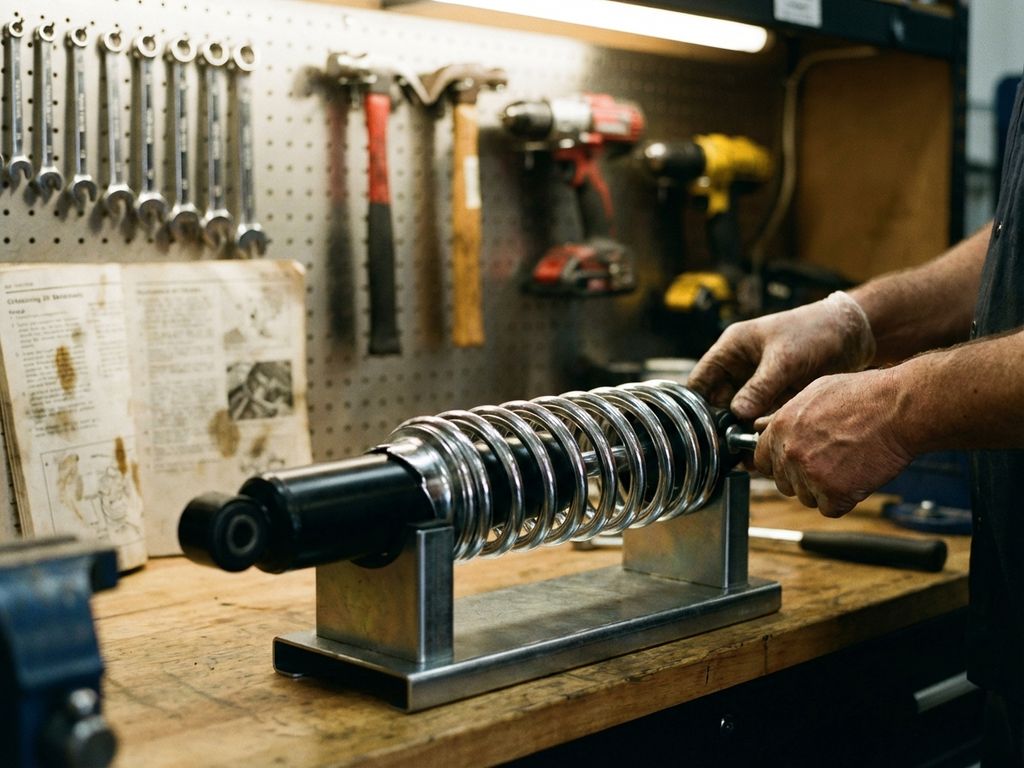
Yes, it absolutely matters if springs and dampers are matched. Properly paired suspension components work together to control vehicle movement, ensuring optimal handling, comfort, and safety. Mismatched spring damper pairing can lead to poor ride quality, handling problems, and premature component wear. Understanding shock absorber compatibility and suspension tuning principles helps you achieve the best performance from your vehicle’s suspension system.
What happens when springs and dampers aren’t properly matched?
Mismatched springs and dampers create a cascade of problems that affect every aspect of your vehicle’s performance. Springs and shock absorbers work as a system when one component is changed without matching the other, it limits the entire system’s effectiveness. The damper cannot properly control spring oscillations when the pairing is incorrect, leading to bouncy, unstable handling and compromised safety. Your vehicle may feel floaty over bumps, dive excessively under braking, or roll dramatically through corners.
The most immediate consequence is poor ride quality. When springs are too stiff for the damper’s valving, the suspension becomes harsh and transmits road imperfections directly to the cabin. Conversely, soft springs with firm dampers create a disconnected feeling, where the vehicle seems to fight itself over every surface change.
Handling stability suffers significantly with mismatched components. The suspension cannot maintain proper tyre contact with the road surface, reducing grip and predictability. This becomes particularly dangerous during emergency manoeuvres or adverse weather conditions, when consistent contact patch pressure is crucial for safety.
Component longevity also takes a hit. Dampers working outside their intended range experience accelerated wear, while springs may fatigue prematurely from improper load cycles. This leads to expensive replacements and potential safety risks from unexpected component failure.
How do you know if your springs and dampers are compatible?
Determining spring and damper compatibility requires checking several key specifications and understanding how they work together as a system. The primary consideration is matching the damper’s valving characteristics to the spring rate, ensuring the damper can properly control the spring’s oscillations without being over or underworked. Professional suspension tuning takes into account vehicle weight, intended use, and performance requirements.
Spring rate calculations form the foundation of proper matching. The damper must have sufficient compression and rebound control for the chosen spring rate. Too soft a damper cannot control a stiff spring, while an overly firm damper will fight against a soft spring’s natural movement. Springs and shock absorbers work as a system, so changing one without matching the other limits results.
Manufacturer recommendations provide essential guidance for compatibility. Quality suspension manufacturers specify which dampers work with particular spring rates, taking the guesswork out of component selection. These recommendations consider factors like damper stroke, mounting hardware, and valving characteristics.
Testing methods help verify proper matching in real world conditions. A properly matched setup should feel controlled without being harsh, maintain good road contact, and provide predictable handling characteristics. The vehicle should settle quickly after hitting bumps, without excessive bouncing or harsh impacts.
What’s the difference between matched and unmatched suspension setups?
The difference between matched and unmatched suspension setups is immediately apparent in how the vehicle behaves on the road. Properly matched systems provide suspension performance that feels cohesive and controlled, with smooth transitions between compression and rebound cycles. Springs and dampers must work in harmony for optimal results when this relationship is compromised, the effects are immediately noticeable.
Handling dynamics vary dramatically between the two approaches. Matched suspension components work together as an integrated system, allowing the vehicle to respond predictably to steering inputs and maintain consistent contact with the road surface. The suspension moves as a unified whole, absorbing impacts while maintaining control and stability.
Unmatched setups create a disjointed feeling, where different components seem to work against each other. You might experience harsh impacts followed by excessive bouncing, or a floaty sensation that makes the vehicle feel disconnected from the road. Cornering becomes less predictable as the suspension cannot maintain consistent tyre loading.
Comfort levels differ substantially as well. Matched components provide a controlled ride that filters road imperfections appropriately for the vehicle’s intended use. Whether designed for comfort or performance, the system feels purposeful and well engineered. Unmatched components create an uncomfortable compromise that satisfies neither comfort nor performance requirements.
Why do custom suspension systems require specifically matched components?
Custom suspension systems demand precisely matched components because they’re engineered for specific applications, vehicle weights, and performance requirements. Unlike mass produced systems with broad compatibility ranges, custom suspension solutions optimise every aspect of the setup for particular use cases. Factory suspension is always a compromise designed to work for all drivers, climates, and conditions, but optimised for none. Where factory engineering ends at “good enough” for the broadest audience, custom suspension begins with eliminating those compromises through components designed to work together perfectly. Custom suspension can ensure that you adapt the car to the driver’s preference.
Engineering principles behind custom made suspension design focus on optimising the entire system rather than individual components. Every element, from spring rates to damper valving, is calculated to work together, creating a cohesive system that maximises performance within specific parameters. This integrated approach means changing one component affects the entire system’s behaviour.
Bespoke applications often push performance boundaries beyond standard component capabilities. Racing applications, classic car restorations, and specialised vehicles require suspension characteristics that standard off the shelf combinations cannot provide. Precise matching ensures the system performs reliably under demanding conditions while maintaining the specific feel and response characteristics required.
Component harmony in custom systems extends beyond basic compatibility to include factors like mounting geometry, progressive rates, and adjustment ranges. Understanding suspension terminology helps you appreciate why custom applications require such precise component relationships to achieve optimal results.
How Intrax Racing helps with suspension component matching
We specialise in creating perfectly matched suspension systems tailored to your specific vehicle and performance requirements. Our approach combines decades of motorsport engineering experience with precision manufacturing to ensure every component works in harmony with your setup. Intrax delivers complete, matched custom setups that work as an integrated system.
Our comprehensive matching process includes:
- Detailed vehicle analysis and performance requirement assessment
- Custom spring rate calculations based on weight distribution and intended use
- Precise damper valving designed to complement your chosen spring rates
- Complete system integration, ensuring all components work together optimally
- Ongoing technical support for fine tuning and adjustments
Whether you’re building a race car, restoring a classic, or enhancing your performance vehicle, we provide the expertise and custom engineered solutions to achieve the exact suspension characteristics you need. Get in touch to discuss how we can create the perfect suspension solution for your specific application.