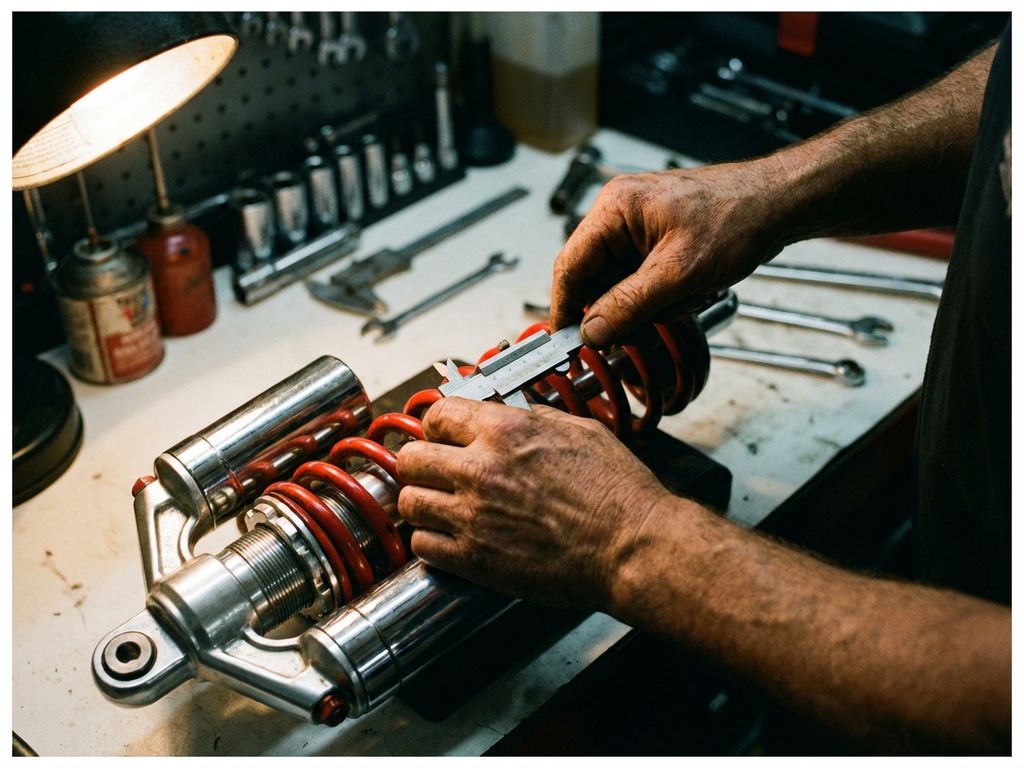
Performance suspension maintenance involves regular visual inspections, cleaning procedures, fluid checks, and component assessments to ensure optimal handling and longevity. Unlike standard suspension systems, performance suspension requires more frequent attention due to higher operating stresses and precision engineering. Factory suspensions are designed as a compromise to work for all drivers in all conditions, optimized for none, but performance systems eliminate these limitations through precision tuning. Proper maintenance prevents costly repairs, maintains safety, and preserves the enhanced driving dynamics you’ve invested in.
What does proper performance suspension maintenance actually involve?
Proper performance suspension maintenance encompasses visual inspections for leaks and damage, regular cleaning to prevent corrosion, fluid level monitoring, and systematic component assessments. It differs from basic car care by requiring more frequent checks and attention to performance specific elements such as adjustable settings and high stress mounting points.
The maintenance routine begins with thorough visual inspections of all suspension components. Check shock absorbers and springs for signs of oil leakage, physical damage, or unusual wear patterns. Examine mounting hardware for looseness, corrosion, or stress cracks that could compromise safety and performance. Since springs and shock absorbers work as a system, any issues with one component can affect the entire suspension’s performance, which is why changing one without matching the other limits results.
Cleaning procedures form a critical part of suspension care, particularly for vehicles exposed to road salt, mud, or track debris. Regular cleaning prevents corrosive buildup that can damage seals, threads, and adjustment mechanisms. Pay special attention to exposed shock bodies, spring perches, and adjustment collars.
Fluid checks apply to both hydraulic systems and any electronic components. Monitor power steering fluid levels if your suspension includes active elements, and ensure electrical connections remain clean and secure. Document any changes in fluid colour or consistency, as these indicate potential internal component wear.
How often should you inspect your performance suspension components?
Performance suspension components require inspection every 1,000 miles for track used vehicles, monthly for spirited road driving, and seasonally for regular performance car use. More frequent inspections catch problems early, preventing minor issues from becoming expensive failures that compromise safety and performance.
Daily checks apply to vehicles used in motorsport or aggressive driving conditions. Before each track session or spirited drive, perform a quick visual inspection focusing on obvious leaks, loose components, or damaged parts. This takes minutes but prevents potentially dangerous failures during high stress driving.
Monthly assessments suit most performance car owners who regularly enjoy their vehicles’ capabilities. During these inspections, check for subtle signs of wear such as minor oil seepage, slight looseness in mounting points, or changes in ride height. Document your findings to track component condition over time.
Seasonal evaluations provide comprehensive assessment opportunities, particularly before and after winter storage or track seasons. These detailed inspections should include removal of wheels for better access, measurement of ride heights, and assessment of the operation of adjustment mechanisms. Consider this timing for any necessary suspension servicing or component replacement.
Browse Products
Shock absorbers, springs, camber plates, air jacks and more. Explore the full range.
Custom Suspension
Every shock absorber built to your exact car, discipline and driving style. Nothing off the shelf.
Get in Touch
Have a question or a specific project? Our engineers are ready to help, no obligation.
What are the warning signs that your suspension needs immediate attention?
Warning signs requiring immediate attention include unusual noises during driving, sudden handling changes, visible fluid leaks, or any physical damage to suspension components. These symptoms indicate potential safety hazards that require prompt professional evaluation to prevent dangerous failures or further damage to your vehicle.
Unusual noises often signal developing problems before they become critical. Listen for knocking sounds over bumps, squeaking during compression, or grinding noises when turning. These sounds typically indicate worn bushings, damaged shock absorbers, or loose mounting hardware requiring immediate investigation.
Handling changes manifest as altered vehicle behaviour during normal driving. Watch for excessive body roll in corners, longer stopping distances, or the vehicle pulling to one side during braking. Any sudden change in how your car responds to steering inputs warrants immediate professional assessment.
Visible damage includes obvious signs such as oil coating shock absorber bodies, cracked springs, or bent suspension arms. Physical damage often results from impacts or component fatigue and typically requires immediate replacement to maintain vehicle safety. Never ignore visible damage, regardless of how minor it appears.
How do you properly clean and protect suspension components?
Proper cleaning involves using appropriate solvents for different materials, avoiding high pressure water on seals, and applying protective treatments after cleaning. Start with gentle degreasing, progress to targeted cleaning of specific components, and finish with appropriate protection to extend component life and maintain optimal performance.
Begin cleaning with the vehicle safely supported and wheels removed for complete access. Use mild degreasing agents on heavily soiled areas, avoiding harsh chemicals that might damage rubber seals or protective coatings. Work systematically from top to bottom, preventing contaminated runoff from reaching already cleaned components.
Shock absorber cleaning requires particular care around seal areas. Clean the visible shock body with appropriate solvents, but avoid directing high pressure water or aggressive chemicals toward the seal head. Wipe down adjustment mechanisms and ensure they operate smoothly after cleaning.
Spring cleaning focuses on removing accumulated debris and road salt that promote corrosion. Pay attention to spring seats and contact points where trapped moisture can cause premature wear. After cleaning, apply appropriate protective treatments designed for automotive suspension components to prevent future corrosion and maintain optimal function.
When should you seek professional suspension servicing versus DIY maintenance?
Seek professional servicing for internal component repairs, safety critical adjustments, and any work requiring specialized tools or knowledge. DIY maintenance suits routine cleaning, visual inspections, and basic adjustments clearly outlined in your suspension documentation. Safety considerations always take precedence over cost savings when maintaining performance suspension systems.
Professional servicing becomes essential when dealing with internal shock absorber problems, spring replacement, or any structural suspension modifications. These tasks require specialized tools, technical knowledge, and often safety equipment that most enthusiasts do not possess. Additionally, improper work on safety critical components can create dangerous driving conditions.
DIY maintenance appropriately covers routine tasks such as cleaning, visual inspections, and basic adjustments within manufacturer specifications. Most performance suspension systems include clear documentation about owner maintainable items versus professional service requirements. Respect these guidelines to maintain both safety and warranty coverage.
Automotive suspension systems, particularly custom built units, often include specific service requirements that demand professional attention. Complex adjustments, internal rebuilds, and calibration procedures typically exceed DIY capabilities and require professional expertise to maintain optimal performance and safety standards. Springs and shock absorbers work as a system, so changing one component without matching the other limits results.
How Intrax Racing helps with performance suspension maintenance
We provide comprehensive support for maintaining your custom suspension system throughout its service life. Our expertise ensures your investment continues to deliver optimal performance while maintaining safety and reliability. Intrax delivers complete, matched custom setups that eliminate the compromises inherent in factory suspension systems.
Our maintenance support includes:
- Detailed maintenance schedules specific to your driving conditions and usage patterns
- Technical guidance for proper inspection procedures and component care
- Professional servicing capabilities for complex adjustments and internal repairs
- Genuine replacement parts and upgrade options to enhance system longevity
- Expert consultation on performance optimization and troubleshooting
Whether you need guidance on routine maintenance procedures or require professional servicing for your custom suspension system, our experienced team provides the expertise necessary to maintain peak performance. Contact us to discuss your specific maintenance requirements and ensure your suspension continues to deliver the precision and reliability you expect.
Browse Products
Shock absorbers, springs, camber plates, air jacks and more. Explore the full range.
Custom Suspension
Every shock absorber built to your exact car, discipline and driving style. Nothing off the shelf.
Get in Touch
Have a question or a specific project? Our engineers are ready to help, no obligation.