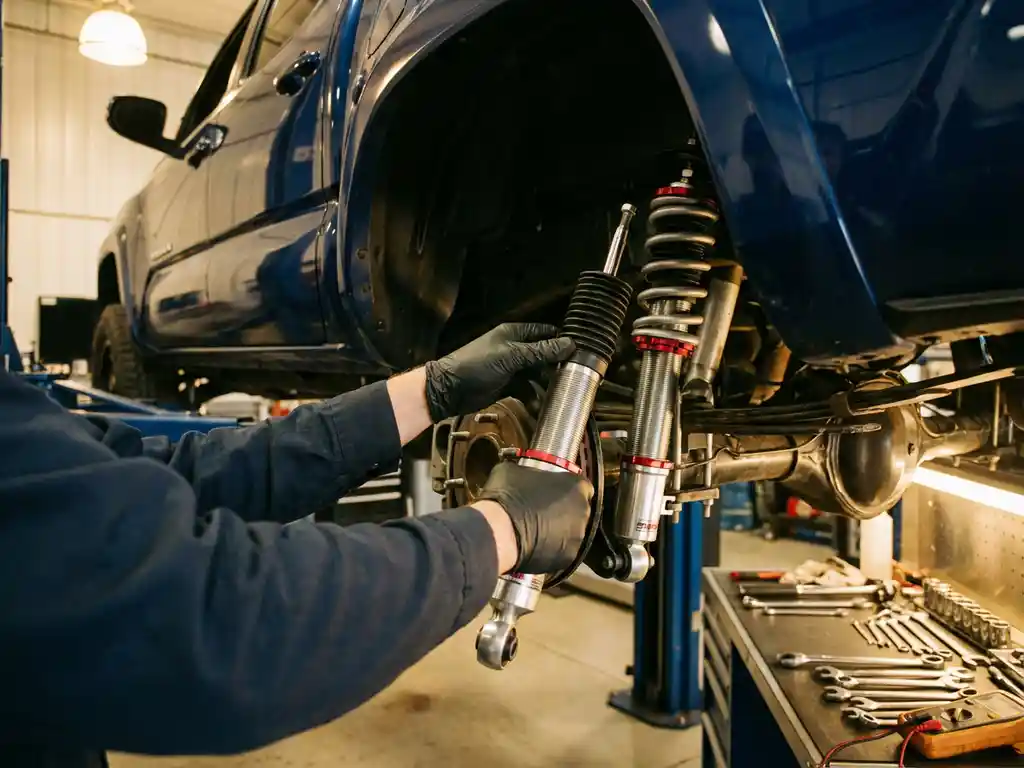
Coilovers are sophisticated suspension components that require regular maintenance to perform at their best and ensure your safety on the road. Unlike standard suspension systems, coilovers integrate multiple precision-engineered parts that work together to provide adjustable ride height and damping. Annual maintenance checks help identify potential issues before they become serious problems, protecting your investment and maintaining optimal vehicle performance.
Regular inspection of your coilover system not only extends component life but also ensures consistent handling and ride quality. Whether you use your vehicle for daily driving or track days, understanding what to check annually will help you maintain peak suspension performance and recognize when professional service is needed.
Why do coilovers need annual maintenance checks?
Coilovers require annual maintenance checks because they contain precision seals, moving parts, and adjustment mechanisms that wear over time and with exposure to road conditions. Regular inspection prevents minor issues from developing into costly failures while maintaining optimal suspension performance and safety.
The complex design of coilovers means multiple components work together under extreme conditions. Shock absorber seals face constant pressure changes, adjustment collars are exposed to corrosion from road salt and moisture, and bushings endure continuous compression and rebound cycles. Environmental factors such as temperature fluctuations, road debris, and chemical exposure accelerate wear on these precision components.
Annual checks also ensure that any modifications or adjustments made throughout the year haven’t created new issues. When ride-height adjustments are made frequently, threads can wear or bind, and preload settings may shift. Regular maintenance identifies these changes before they affect vehicle handling or component integrity.
What are the most common coilover problems to look for?
The most common coilover problems include oil leaks from worn seals, seized adjustment collars, worn bushings, and damaged threads on spring perches. These issues typically develop gradually and may not be immediately noticeable during normal driving.
Oil leaks are the most frequent problem, often starting as minor seepage around the shock body before progressing to visible fluid loss. This occurs when internal seals wear due to contamination, age, or extreme operating conditions. Leaked oil not only reduces damping performance but can also contaminate brake components or create slippery conditions.
Seized adjustment mechanisms pose another common challenge, particularly in regions with harsh winters, where road salt accelerates corrosion. When adjustment collars seize in position, forcing them can damage threads or strip the adjustment mechanism entirely. Worn bushings can cause knocking sounds, imprecise handling, and accelerated wear on connected components.
Browse Products
Shock absorbers, springs, camber plates, air jacks and more. Explore the full range.
Custom Suspension
Every shock absorber built to your exact car, discipline and driving style. Nothing off the shelf.
Get in Touch
Have a question or a specific project? Our engineers are ready to help, no obligation.
How do you inspect coilover seals and oil leaks?
Inspect coilover seals by visually examining the shock body for wet spots, oil residue, or dirt buildup that indicates fluid leakage. Clean the shock body first, then check for fresh oil after a short drive to distinguish active leaks from old residue.
Start your inspection with the vehicle on level ground and in adequate lighting. Look for oil stains on the shock body, particularly around the upper and lower seal areas. Fresh leaks appear wet and may have a slight sheen, while older leaks often attract dirt and appear as dark, sticky residue. Pay special attention to the area where the piston rod enters the shock body, as this is the most common leak location.
Check the shock mounting points and surrounding components for oil contamination. Leaked fluid often travels down the shock body and can affect nearby brake lines, suspension arms, or the vehicle’s undercarriage. Document any findings with photos, noting the location and severity of leaks for future reference or professional consultation.
What should you check on coilover adjustment mechanisms?
Check coilover adjustment mechanisms by testing the smooth operation of ride-height collars, ensuring the threads move freely without binding, and verifying that locking mechanisms secure properly. Clean and lubricate the threads as needed to prevent corrosion and maintain adjustment precision.
Begin by examining the adjustment collars for signs of corrosion, damage, or seizure. The knowledge base emphasizes the importance of cleaning and lightly lubricating threads to prevent binding during adjustment. Test each collar by making small adjustments in both directions, checking for smooth, consistent movement without excessive force or grinding.
Inspect the thread condition on both the shock body and the adjustment collars. Look for stripped threads, cross-threading, or excessive wear that could affect adjustment accuracy. Verify that locking mechanisms engage properly and hold settings securely. Any collar that requires excessive force to move or fails to lock in position needs immediate attention to prevent further damage.
How do you know when coilover bushings need replacement?
Coilover bushings need replacement when they show visible cracking, excessive compression set, or cause knocking sounds during suspension movement. Worn bushings can also lead to imprecise handling, increased road noise, and accelerated wear on connected suspension components.
Physical inspection reveals several key indicators of bushing wear. Rubber bushings can develop visible cracks, tears, or permanent deformation that prevents them from returning to their original shape. Polyurethane bushings may show similar cracking or become hardened and brittle. Press on the bushings to check for excessive softness or compression that doesn’t recover.
Functional symptoms include knocking or clunking sounds over bumps, particularly at low speeds or when changing direction. Worn bushings allow excessive movement between suspension components, creating loose handling and reduced steering precision. If you notice increased road noise or vibration transmitted through the chassis, bushing wear may be contributing to these issues.
When should you have coilovers professionally serviced?
Have coilovers professionally serviced if you discover oil leaks, seized adjustment mechanisms, or performance degradation that affects vehicle safety or handling. Professional service is also recommended every 2–3 years for track-driven vehicles, or when rebuilding becomes more cost-effective than replacement.
Certain conditions require immediate professional attention, regardless of the annual maintenance schedule. Active oil leaks that affect damping performance need prompt service to prevent complete shock failure. Seized adjustment mechanisms that resist normal operation require professional tools and expertise to avoid damage during repair.
Performance degradation symptoms such as a harsh ride, bottoming out, or inconsistent damping indicate internal component wear that requires professional diagnosis. Track-driven vehicles experience accelerated wear and benefit from more frequent professional inspection and service to maintain optimal performance and safety standards.
How Intrax Racing helps with coilover maintenance
We provide comprehensive coilover maintenance solutions through our custom-built approach and extensive motorsport expertise. Our maintenance services ensure your suspension continues to perform at peak levels while extending component life through proper care and professional attention.
- Complete inspection and diagnostic services using motorsport-grade standards
- Professional rebuilding and seal replacement with OEM-quality components
- Custom recalibration to match changing vehicle requirements or driving preferences
- Detailed maintenance records and service history tracking for each shock absorber
- Expert advice on adjustment procedures and preventive maintenance schedules
Our nearly 50 years of experience in Formula 1 and professional motorsport give us unique insight into suspension maintenance requirements under extreme conditions. Whether your coilovers need routine service or a complete rebuild, our team ensures they continue delivering the precise performance and reliability you expect. Contact us to discuss your specific maintenance needs and schedule professional service for your suspension system.
Browse Products
Shock absorbers, springs, camber plates, air jacks and more. Explore the full range.
Custom Suspension
Every shock absorber built to your exact car, discipline and driving style. Nothing off the shelf.
Get in Touch
Have a question or a specific project? Our engineers are ready to help, no obligation.