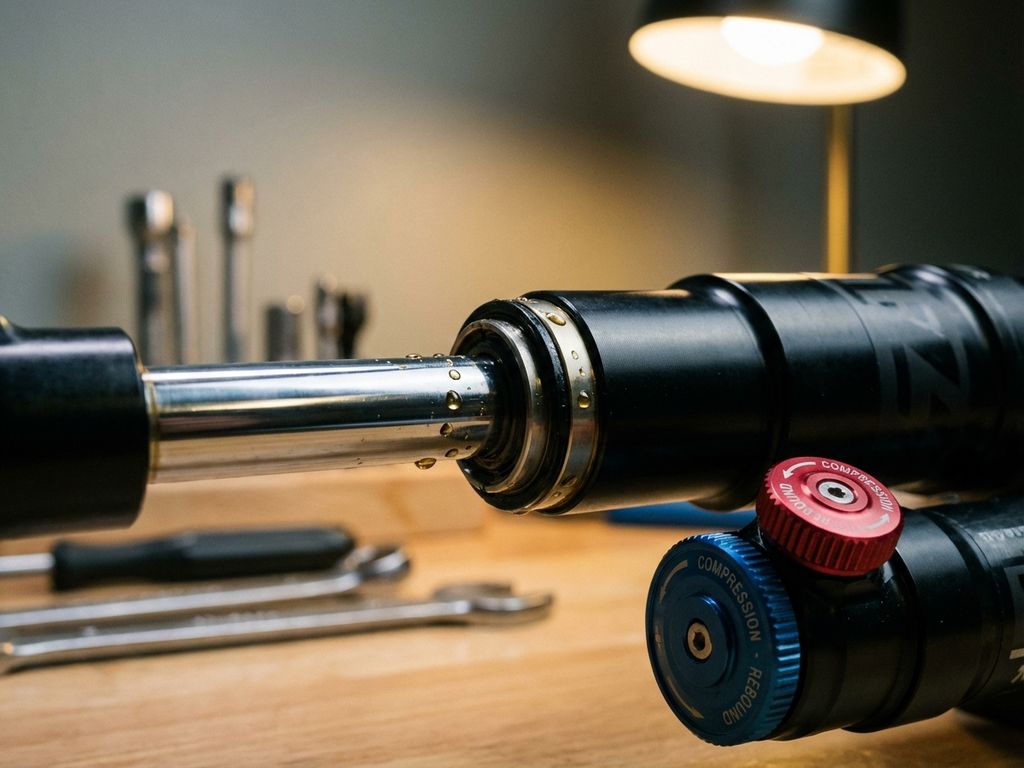
Rebound and compression damping are the two fundamental forces that control how your shock absorbers manage wheel movement. Rebound damping controls how quickly your suspension extends after compression, while compression damping manages how the suspension responds to initial impacts. Together, these damping forces determine your vehicle’s handling characteristics, comfort levels, and overall suspension performance across different driving scenarios.
What exactly are rebound and compression damping in suspension systems?
Rebound damping controls the speed at which your shock absorber extends after being compressed, preventing the wheel from bouncing uncontrollably. Compression damping manages how the shock absorber responds when the wheel encounters a bump or load transfer, controlling the initial compression stroke. Both work together as an integrated system to maintain optimal tyre contact and vehicle stability.
Think of your suspension system as having two distinct phases of movement. When your wheel hits a bump, the suspension compresses first – this is where compression damping takes control. The shock absorber’s compression damping circuit regulates how quickly the piston moves through the oil, managing force absorption.
After compression comes extension, where rebound damping becomes critical. Without proper rebound control, your suspension would extend too quickly, causing the wheel to lose contact with the road surface. This creates the familiar bouncing sensation you might experience with worn shock absorbers.
Modern shock absorber damping systems use precisely calibrated valving to control oil flow during both compression and rebound strokes. The damping characteristics can be adjusted through different valve configurations, allowing suspension engineers to tune the response for specific vehicle applications and driving requirements. However, springs and shock absorbers work as a system – changing one component without properly matching the other limits the overall performance results. The interaction between spring rates and damping determines how the car actually feels on the road, which is why Intrax delivers complete, matched custom setups rather than individual components.
How does rebound damping affect your vehicle’s handling and comfort?
Rebound damping directly influences vehicle stability by controlling how quickly your suspension returns to its neutral position after compression. Proper rebound settings maintain consistent tyre contact with the road surface, ensuring predictable handling and optimal grip. Incorrect rebound damping creates either excessive bouncing or a sluggish suspension response.
When rebound damping is too soft, your vehicle will exhibit a bouncy, unstable feeling. The suspension extends too quickly after hitting bumps, causing the wheel to momentarily lose road contact. This results in reduced traction, unpredictable handling, and an uncomfortable floating sensation, particularly noticeable during cornering or over undulating road surfaces.
Conversely, excessive rebound damping creates a harsh, unforgiving ride quality. The suspension cannot extend properly between successive impacts, causing the system to “pack down” over rough surfaces. This leads to reduced wheel travel, harsh impact transmission to the chassis, and compromised handling as the suspension loses its ability to follow road contours effectively.
Optimal rebound damping maintains the delicate balance between control and comfort. The suspension extends at a controlled rate, allowing the wheel to maintain contact while absorbing subsequent impacts efficiently. This provides confident handling, consistent braking performance, and comfortable ride quality across varying road conditions.
What happens when compression damping is set incorrectly?
Incorrect compression damping affects your vehicle’s initial impact absorption and body control during acceleration, braking, and cornering. Too little compression damping allows excessive body roll, dive, and squat, while too much creates a harsh ride and poor bump absorption. Both extremes significantly compromise driving dynamics and passenger comfort.
Insufficient compression damping manifests as poor body control during dynamic driving situations. Your vehicle will experience excessive nose dive under braking, significant squat during acceleration, and pronounced body roll through corners. The suspension compresses too easily under load transfer, creating an unstable, wallowing sensation that reduces driver confidence and control.
Excessive compression damping creates the opposite problem – a rigid, unforgiving suspension response. The shock absorbers resist compression too strongly, transmitting harsh impacts directly through the chassis. This results in reduced traction over bumps, as the wheel cannot follow surface irregularities effectively, and creates an uncomfortable, jarring ride quality.
The relationship between compression damping and vehicle dynamics extends beyond comfort. Proper compression control ensures optimal weight distribution during cornering, maintains consistent contact patch pressure, and allows the suspension to absorb impacts while supporting the vehicle’s mass effectively. This balance is particularly crucial for performance applications where precise handling characteristics are essential.
Browse Products
Shock absorbers, springs, camber plates, air jacks and more. Explore the full range.
Custom Suspension
Every shock absorber built to your exact car, discipline and driving style. Nothing off the shelf.
Get in Touch
Have a question or a specific project? Our engineers are ready to help, no obligation.
How do you know if your damping settings need adjustment?
Signs of incorrect damping settings include excessive bouncing after hitting bumps, harsh ride quality, poor body control during cornering or braking, and uneven tyre wear patterns. Visual inspection may reveal oil leakage, while driving feel indicators include floating sensations, harsh impact transmission, or unpredictable handling characteristics that suggest damping adjustment is required.
Physical symptoms provide the clearest indication of damping issues. Perform the traditional bounce test by pushing down firmly on each corner of your vehicle. The suspension should return to its normal position with minimal additional movement. Excessive bouncing indicates insufficient rebound damping, while resistance to initial movement suggests compression damping problems.
Driving characteristics offer valuable diagnostic information about damping performance. Poor rebound control creates a floating, unstable feeling over undulating surfaces, while inadequate compression damping results in excessive body movement during acceleration, braking, and cornering. Harsh impact transmission typically indicates overdamped compression settings.
Tyre wear patterns can reveal damping related issues. Uneven wear across the tyre contact patch may indicate inconsistent road contact due to poor damping control. However, multiple factors influence tyre wear, so this should be considered alongside other symptoms rather than as a standalone diagnostic tool.
How Intrax Racing helps with suspension damping optimisation
We specialise in creating custom suspension solutions with precisely calibrated rebound and compression damping characteristics tailored to your specific vehicle and driving requirements. Our motorsport derived expertise ensures optimal damping balance for enhanced performance, comfort, and handling across all applications.
Factory suspension is always a compromise, designed to work for all drivers, climates, and conditions worldwide, but optimized for none. This broad approach makes optimization for specific requirements impossible. Custom suspension ensures the car can be tuned precisely to the driver’s preferences. Intrax eliminates these compromises through complete suspension systems where springs and shock absorbers are matched and tuned together for your individual needs.
Our comprehensive damping optimisation services include:
- Custom valving design – engineered specifically for your vehicle’s weight, intended use, and performance requirements
- Adjustable damping systems – allowing fine tuning of both rebound and compression settings for different driving conditions
- Professional consultation – expert guidance on optimal damping characteristics based on your specific needs and driving style
- Complete system integration – ensuring damping characteristics work harmoniously with spring rates and other suspension components
Whether you’re seeking improved track performance, enhanced comfort for daily driving, or specialised damping for classic car restoration, our engineering team can develop the perfect solution. Contact us to discuss your specific damping requirements and discover how properly calibrated suspension can transform your driving experience.
Browse Products
Shock absorbers, springs, camber plates, air jacks and more. Explore the full range.
Custom Suspension
Every shock absorber built to your exact car, discipline and driving style. Nothing off the shelf.
Get in Touch
Have a question or a specific project? Our engineers are ready to help, no obligation.